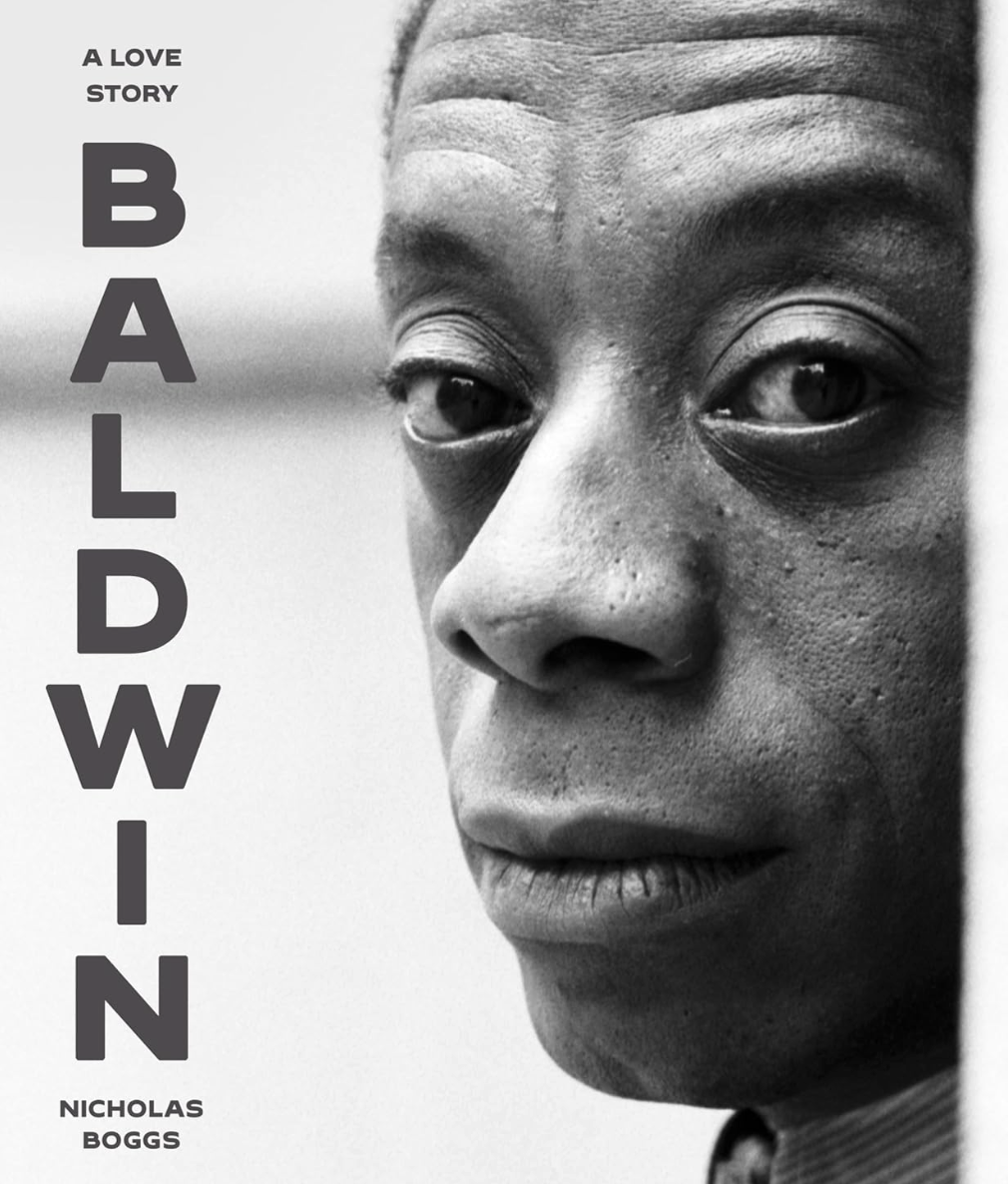
Ain’t no net on that tightrope. Each time out, it’s higher, he shares in an interview with Maya Angelou in response to her question about his need for family support. There, with cameras rolling, he claims his family is the exception, constantly rescuing him. In A Love Story, it becomes clear that there was no sustainable intervention at all, no network of souls to console him if his current lover or infatuation became dismissive or began resisting his advances. He would be found at sea, on a bridge in the pitch black of night, near overdose. Writing was what he did to profess his love for other men, without which it all became meaningless. He was done being the kind of preacher who believed he could save mankind with parables, so the carnal drove stories forward toward the spiritual. It’s almost like he thought maybe those who had rejected him—his biological father whom he never met, his stepfather, the love interests who kept him in abeyance—would finally run toward his embrace and realize their true feelings for him, if he wrote a great enough book. It’s a very disturbing fantasy if you look at it through the lens of his broken heart, but a comforting one if you consider how alienating the process of writing really is; this is how ruthless a great writer must be, selling out everyone, himself included, to get through. It means the torment of the affairs themselves is both real and pantomime, because the writer never quite wants to be invaded by another and merge souls entirely. He needs to hold on to most of himself for the more orgiastic, autoerotic act of love that permeates his lucid literary composition.
When I read some of his letters, it seemed to me that ascetic commitment to his splendid isolation, more than his addiction to romantic interludes and relationships, was the theme haunting Jimmy’s days and threatening to take him and his talent from the world. The talent and the world were at odds, each requiring the level of supernatural attention only he could give them. He really liked it here but also found it unbearable. I like to laugh, and I like people, he once exclaimed, as if in protest to his own shadow. And as with many artists in their darkest days, he could be revived for a while by attention to a new project, stepping off the jagged cliffs that had formed to guard a creative idea’s genesis. And then back onto the brink when that attention proved once again to be a cheap knockoff of the adrenaline supplied in private erotic encounters. Jimmy fell in love too easily but didn’t romance himself enough. He surrendered to men more readily than to his own needs, neglected those needs to chase after or dote on lovers, and inevitably found himself back on the tightrope, pretending at nets or deflecting the groupies and phony supporters who would then become voyeurs to a recurring breakdown that became inextricable from his creative process.