Menu
Excerpts
Exhibits
Collections
Originals
Categories
Map
Search
Person
Orson Welles
Film/TV
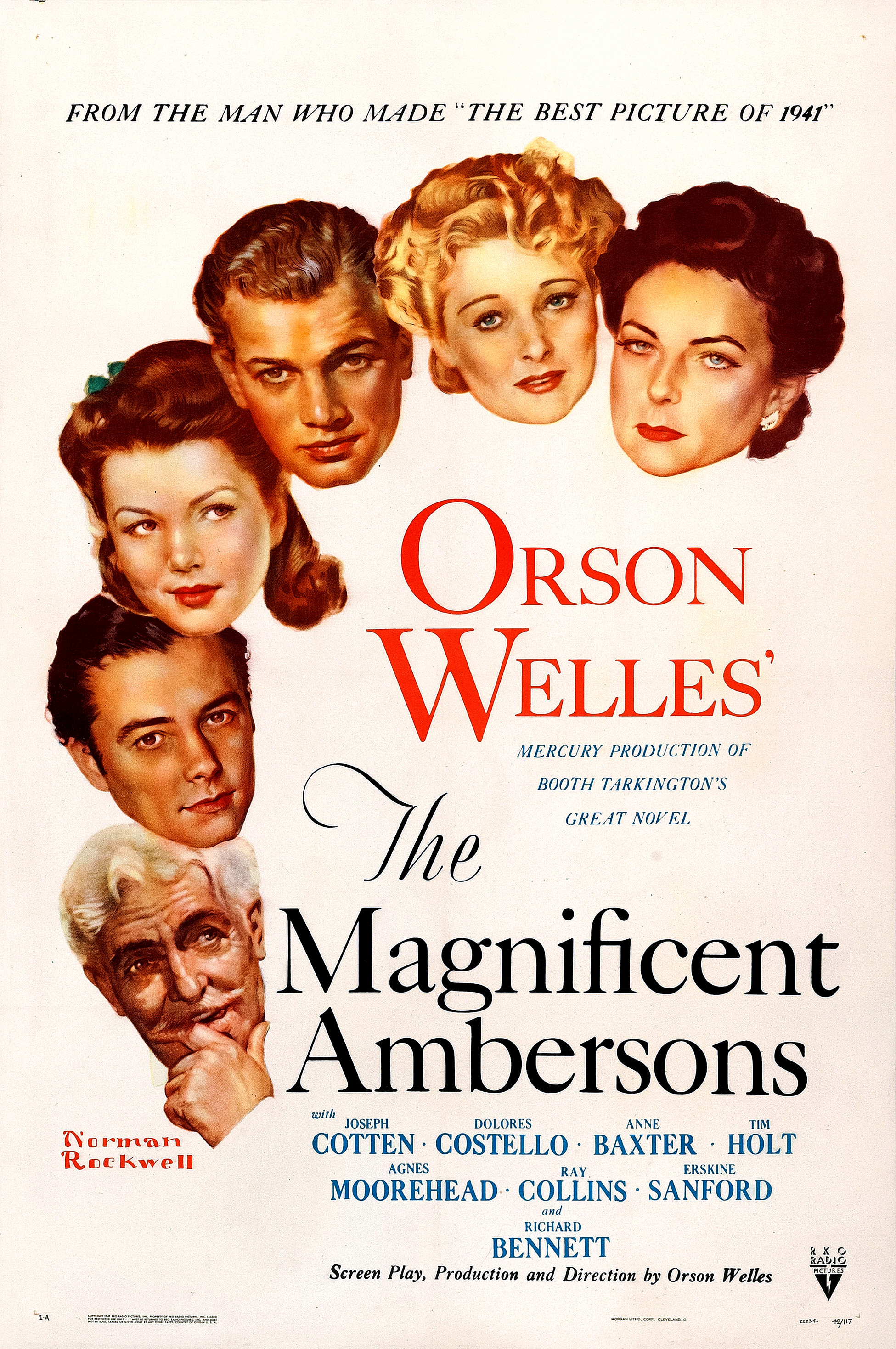
The Magnificent Ambersons
Orson Welles
1942
View on Map
Related Excerpts
Viewing 1–19 of 19
"The Play That Electrified Harlem"
Shakespeare's Macbeth and the Federal Theatre Project
by
Paul Allen Sommerfeld
via
Library of Congress
on
September 28, 2020
What War of the Worlds Did
The uncanny realism of Orson Welles’s radio play crystallised a fear of communication technology that haunts us today.
by
Benjamin Naddaff-Hafrey
via
Aeon
on
November 26, 2018
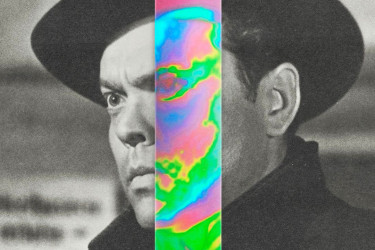
A Hundred Years of Orson Welles
He was said to have gone into decline, but his story is one of endurance—even of unlikely triumph.
by
Alex Ross
via
The New Yorker
on
November 30, 2015
Deepfaking Orson Welles’s Mangled Masterpiece
Will an A.I. restoration of “The Magnificent Ambersons” right a historic wrong or desecrate a classic?
by
Michael Schulman
via
The New Yorker
on
February 2, 2026
The Fake-News Fallacy
Old fights about radio have lessons for new fights about the Internet.
by
Adrian Chen
via
The New Yorker
on
September 4, 2017
The Myth of the War of the Worlds Panic
Orson Welles’ infamous 1938 radio program did not touch off nationwide hysteria. Why does the legend persist?
by
Michael J. Socolow
,
Jefferson Pooley
via
Slate
on
October 28, 2013
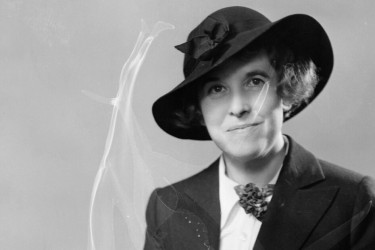
On Hallie Flanagan
A woman killed by Congress.
by
Susannah Clapp
via
London Review of Books
on
August 6, 2025
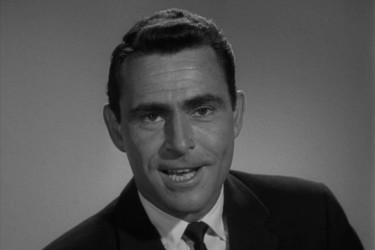
Rod Serling on Doomsday
Marking the centenary of the creator of “The Twilight Zone,” who knew that dystopia was always over the nearest ridge.
by
Carly Mattox
via
Mubi
on
December 25, 2024
America’s War on Theater
James Shapiro's book "The Playbook" is a timely reminder both of the power of theater and of the vehement antipathy it can generate.
by
Daniel Blank
via
Los Angeles Review of Books
on
July 22, 2024
Stealing the Show
Why conservatives killed America’s federally funded theater.
by
Charlie Tyson
via
The Yale Review
on
June 10, 2024
Puzzled Puss: Buster Keaton’s Star Turn
Keaton had been on the stage longest, risen the highest, fallen the furthest, and left the most indelible legacy.
by
John Lahr
via
London Review of Books
on
January 19, 2023
After Victory in World War II, Black Veterans Continued the Fight for Freedom at Home
These men, who had sacrificed so much for the country, faced racist attacks in 1946 as they laid the groundwork for the civil rights movement to come.
by
Bryan Greene
via
Smithsonian Magazine
on
August 30, 2021
Alien Aqueducts: The Maps of Martian Canals
Observing the visible features of Martian landscapes, Giovanni Schiaparelli began seeing things almost immediately.
by
Hunter Dukes
via
The Public Domain Review
on
June 8, 2021
The Haunted Imagination of Alfred Hitchcock
How the master of suspense got his sadistic streak.
by
John Banville
via
The New Republic
on
April 1, 2021
The People, It Depends
What's the matter with left-populism? A review of Thomas Frank's "The People, No: A Brief History of Anti-Populism."
by
Erik Baker
via
n+1
on
March 24, 2021
The Library of Possible Futures
Since the release of "Future Shock" 50 years ago, the allure of speculative nonfiction has remained the same: We all want to know what’s coming next.
by
Samantha Culp
via
The Atlantic
on
February 1, 2021
The Return of American Fascism
How a legacy of violent nationalism haunts the republic in the age of Trump.
by
Sarah Churchwell
via
New Statesman
on
September 2, 2020
The (Literally) Unbelievable Story of the Original Fake News Network
In Guatemala, the CIA hired an American actor and two radio DJs to oust a president.
by
Sylvia Brindis Snow
,
Shane Snow
via
Narratively
on
August 27, 2020
"Native Son" and the Cinematic Aspirations of Richard Wright
Novelist Richard Wright yearned to break into film, but Hollywood's censorship of black stories left his aspirations unfulfilled.
by
Anna Shechtman
via
The New Yorker
on
April 4, 2019