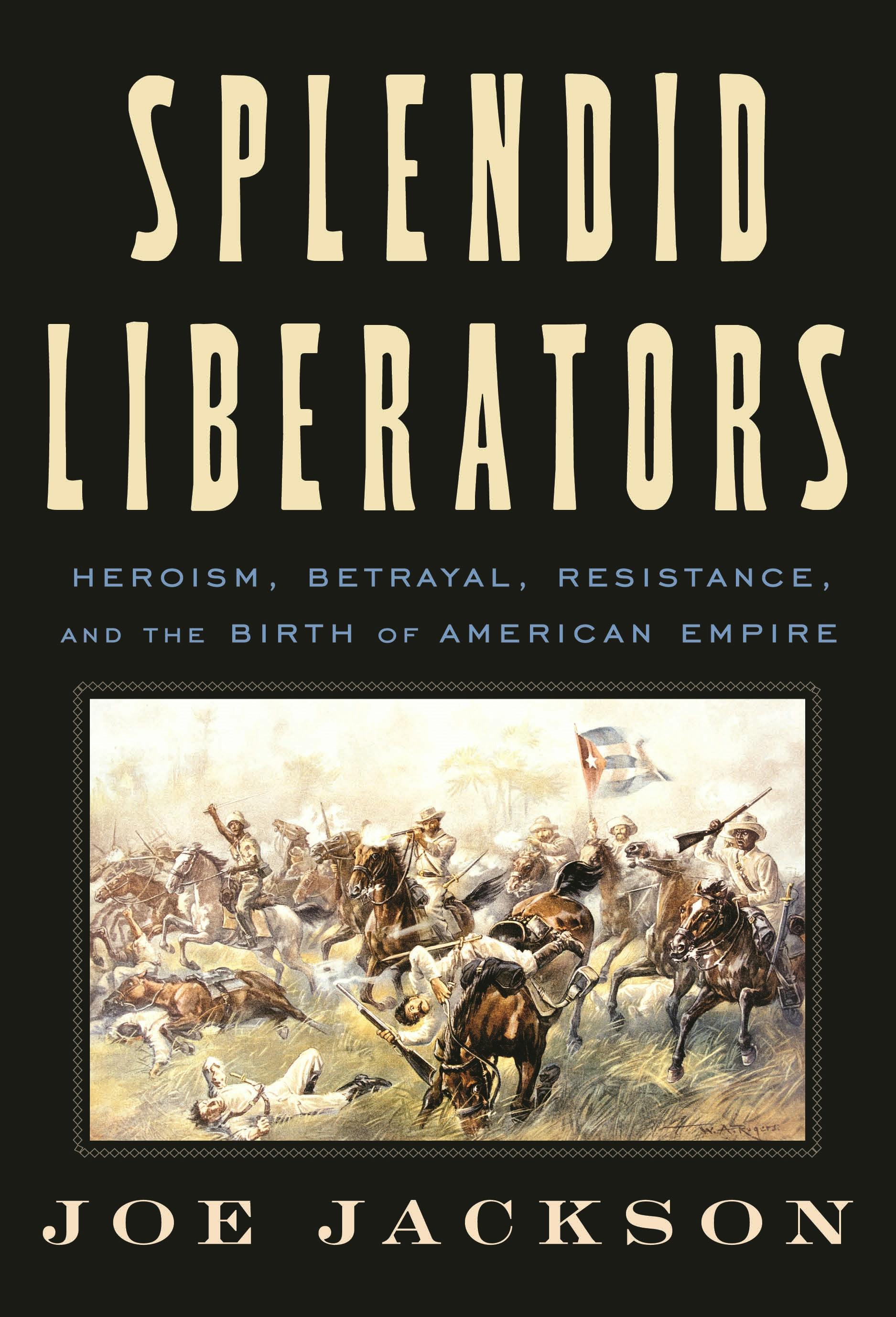
A provocative thesis underlies Joe Jackson’s Splendid Liberators: Heroism, Betrayal, Resistance, and the Birth of the American Empire. The author argues the Spanish-American War was a pivotal moment in US foreign policy that ushered in an age of American interventionism. It became the “template” for every so-called small war ever since—“from the Bay of Pigs to Vietnam, Iraq and Afghanistan.” The war, Jackson argues, is not only history but a cautionary tale.
Splendid Liberators is a work of modern narrative nonfiction that covers the Pacific and Caribbean theaters of that war. At the time, US Secretary of State John Hay called the conflict a “splendid little war.” To his credit, Jackson has reached beyond traditional US sources, materials, and perceptions. He uses archival materials in the Philippines and Cuba and interviews with scholars in those countries. This material and firsthand accounts gleaned from diaries, letters, and unpublished reminisces add genuine depth to this account. The result is a broad, sweeping work that captures America on the eve of empire building, replete with revealing insights that sometimes sink under the weight of tangential narrative and uneven writing.
Unrest, War, and Insurrection
Jackson begins his narrative by recounting the decades of unrest created by exploitive Spanish colonialism in the nineteenth century. The vestiges of a once vast overseas empire in the New World and the Pacific were island possessions that included Cuba, Puerto Rico, and the Philippines, and “Spain was a parasite sucking them dry.” Spanish policy bred unrest, years of armed rebellion, and revolution that was met with terrible force. The Cuban rebellion, Jackson notes, lasted nearly thirty years and was not quelled by military action, arrests, executions, or the establishment of reconcentrados—concentration camps created to separate rural populations from rebels.
Splendid Liberators describes the outsized role the American press had in publicizing and then exaggerating Spain’s heinous efforts to suppress unrest and crush rebellion. Symbolic images of “Cuba as a starving woman with sunken eyes and fleshless ribs” in a reconcentrado first appeared in print in 1896. American correspondents were imprisoned and deported. Nothing outraged Americans more, however, than lurid stories of defiled Cuban maidens, trumpeted with banner headlines asking: “Does Our Flag Shield Women?” Eventually, “coverage reached an unprecedented level of shrillness and cascading cries for intervention became the new norm,” as correspondents flooded Cuba and yellow journalism took hold of New York City’s penny press and midwestern weeklies.