Nick Hilden
What role did Coretta Scott King have in pushing her husband, Martin Luther King, toward peace activism?
Matthew Delmont
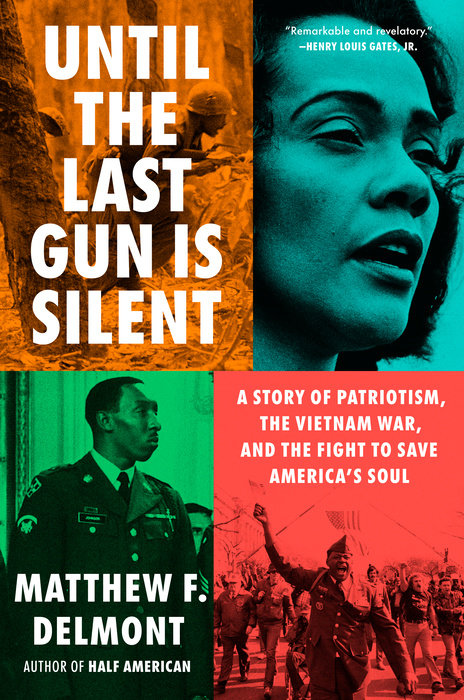
Even in doing the research myself, I was surprised by how early she was out on the anti‑nuclear position and then on the Vietnam War, and how much Martin recognized her important role there.
Part of it was gendered — there was more space for women activists in the antiwar movement in the early sixties. Part of it was strategic: Martin, as a civil rights leader, felt the risk of losing civil rights support if he spoke out against the war was greater than Coretta. So within their household, she became the spokesperson on the war while he kept focus on civil rights longer. Part of it was what they brought to the relationship: her politics were more invested in global antiwar questions earlier than his, by virtue of her engagement with Bayard Rustin, Paul Robeson, and the Progressive Party. After his Riverside speech, they became coleaders, often speaking on different coasts. Then after he was assassinated, Coretta took on both roles, speaking for herself and taking on invitations that would have gone to Martin.
One interesting thing as a historian: if you search historical newspaper databases for “Coretta Scott King,” you get relatively few results. If you search “Mrs Martin Luther King Jr,” you get many more. Part of the reason that she hasn’t gotten as much attention as she should have is just because you have to get creative in how you look for it.
Jean Theoharis’s work has been really pathbreaking here, so I’m certainly not the first historian to talk about her role. But I hope what my book does is trace a longer and fuller trajectory of Coretta’s antiwar voice. She was at almost every major mainstream anti‑war protest in the sixties and early seventies, and that’s an important thing not to lose.
Nick Hilden
How do you think the stories of Coretta Scott King and Skip Johnson are relevant today?
Matthew Delmont
On the Coretta Scott King side, I think one thing that’s so powerful about her story is how clear and early she was about the dangers posed by US military intervention in Vietnam, and how she understood the broader contours of colonialism and what it meant for the United States to be engaged not just in Vietnam, but in the Dominican Republic and elsewhere. And then the broader resonances with the possibilities of nuclear war, and how she was unafraid to challenge politicians about it, and how she worked to rally Americans across many different demographic lines to fight against the war and to activate for peace.