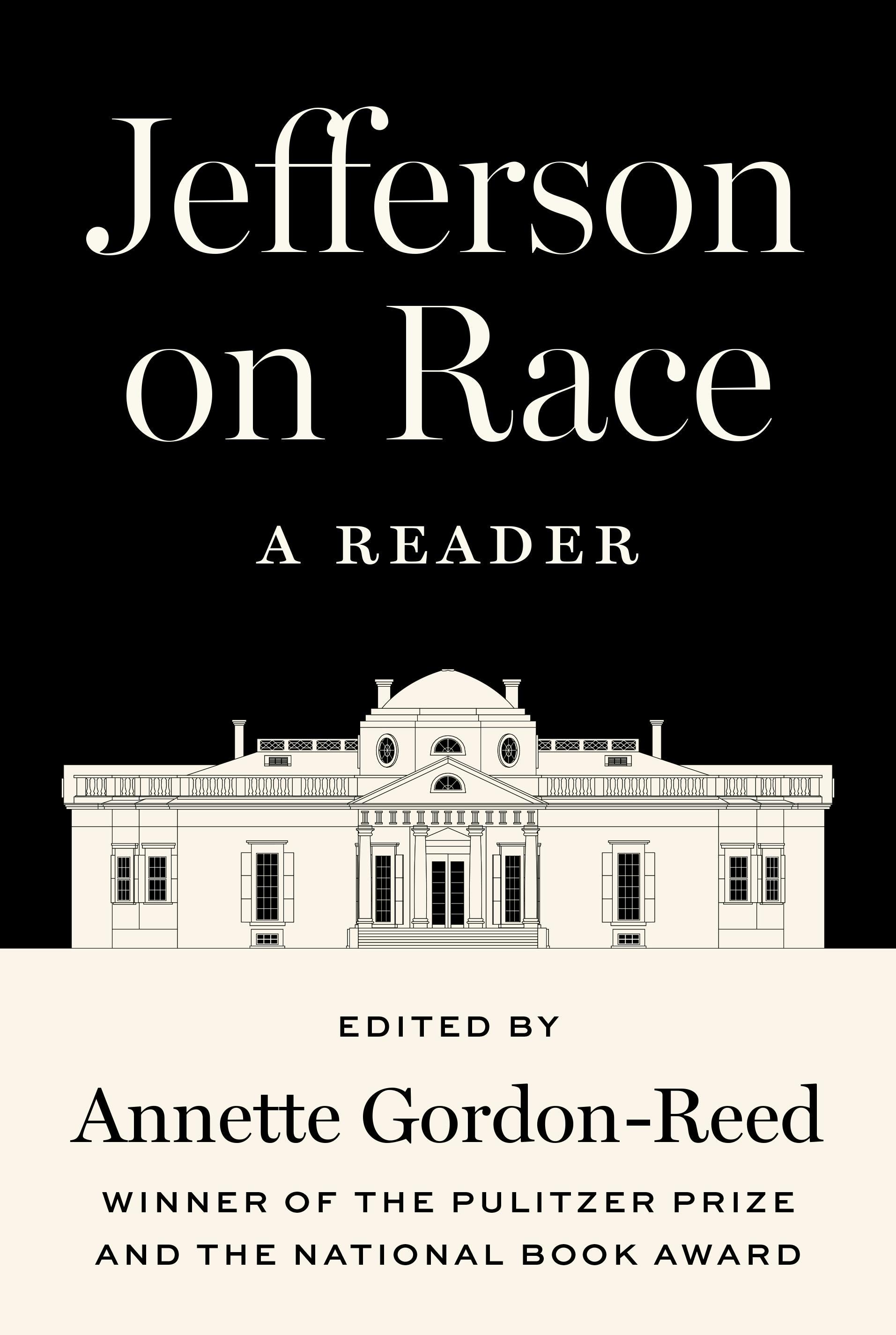
No prominent member of the Founding Fathers engaged more directly, and some would argue more disastrously, with the subject of race than Thomas Jefferson. The man who wrote what has come to be called the American Creed, the Declaration of Independence, proclaiming the “self-evident” truth “that all men are created equal,” enslaved hundreds of people of African descent over the course of his life, even as he wrote extremely critical words about the institution and believed himself to be antislavery. How could this be? How could a person hold such contradictory positions?
We ask these questions today, but it’s important to know that people also asked them in Jefferson’s lifetime. He asked the question himself, poignantly, when writing to the French author and politician Jean Nicolas Démeunier in June 1786:
What a stupendous, what an incomprehensible machine is man! Who can endure toil, famine, stripes [whippings], imprisonment or death itself in vindication of his own liberty, and the next moment be deaf to all those motives whose power supported him thro’ his trial, and inflict on his fellow men a bondage, one hour of which is fraught with more misery than ages of that which he rose in rebellion to oppose. But we must await with patience the workings of an overruling providence, and hope that that is preparing the deliverance of these our suffering brethren. When the measure of their tears shall be full, when their groans shall have involved heaven itself in darkness, doubtless a god of justice will awaken to their distress, and by diffusing light and liberality among their oppressors, or at length by his exterminating thunder, manifest his attention to the things of this world, and that they are not left to the guidance of a blind fatality.
Jefferson was in Paris when he wrote Démeunier, and the matter looked different from abroad. When he and the American colonists had decided that there was no path toward reconciliation with the mother country, and that they were going to break with Great Britain, Jefferson saw that there was an opportunity for a new beginning, not only for the new country but for his home state of Virginia. He felt it imperative that the new state reform its property laws to do away with feudal systems like primogeniture and entail. He also pushed for the disestablishment of the Anglican Church, with the goal of complete separation between church and state, which he believed was necessary in a republican government.
The third area that required reform was, of course, slavery. Jefferson recalled participating in an effort to establish a plan for emancipation when he was a young member of the House of Burgesses, the Virginia Colony’s legislative body. The measure was summarily shot down. One gets the impression from his writings that the vehemence of this rejection convinced him that there could be no legislative solution to the problem of slavery anytime in the foreseeable future. Through the years, well into his old age, Jefferson referenced the “prejudices” of his fellow Virginians against Black people. At times he suggested that their prejudice against Black people was greater than his.