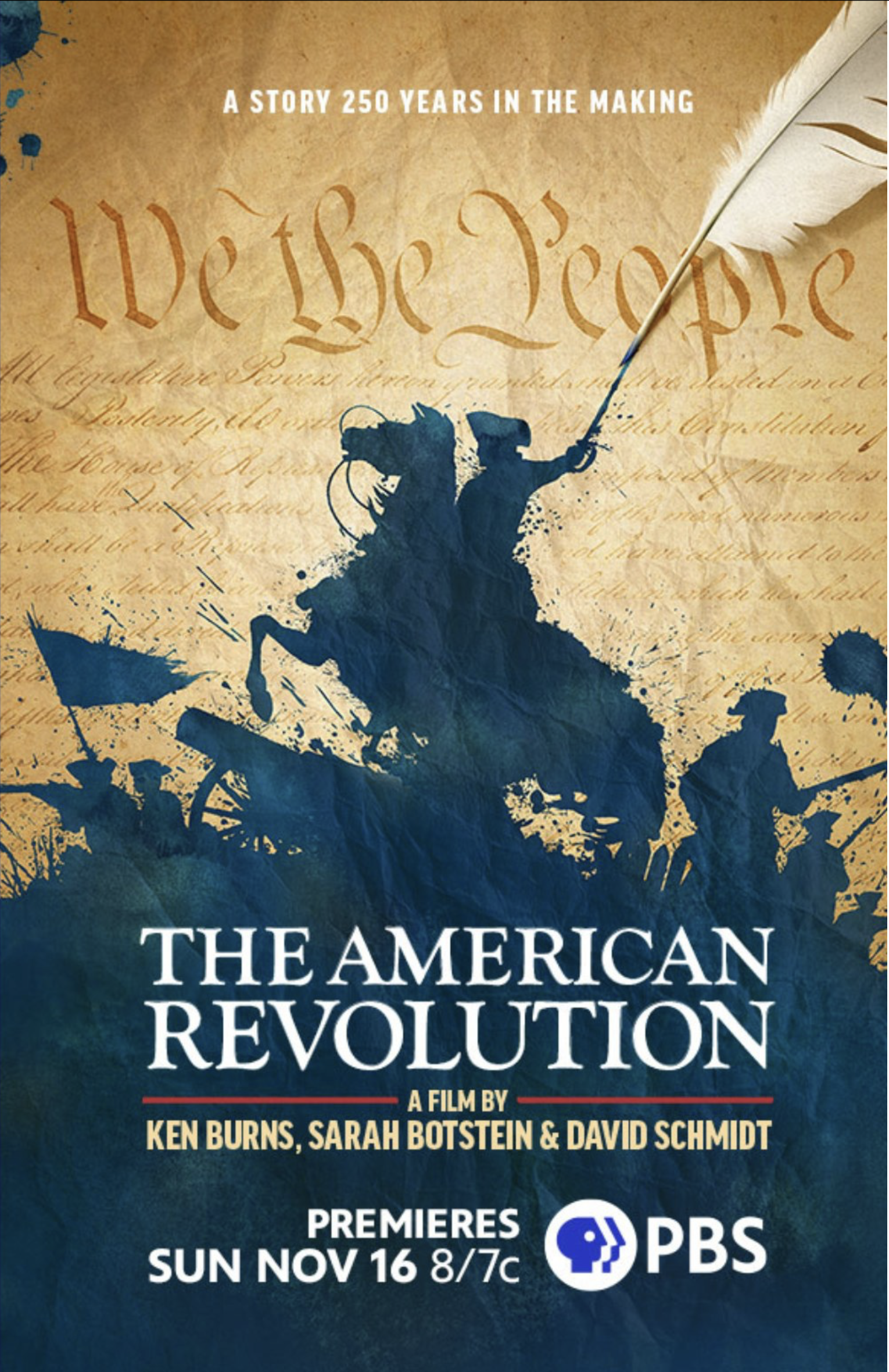
As many as 2.5 million people lived in America in 1776. Most of the populace owned little or no property and worked for their living. Women made up half of the American population; nearly a quarter was Black, most of whom were enslaved. As many as 250,000 Indigenous people lived west of the Appalachian Mountains. By contrast, only a small minority had true influence in the halls of government: fifty-six delegates attended the First Continental Congress. Forty-nine attended the Second. Hundreds, maybe more than a thousand, men served in local and state revolutionary governments from 1775–83. Most people weren’t “founders” in the traditional sense of “lawgivers.”
At the same time, though, the Revolution—the most radical and successful in the world—changed much about local, state, and national politics. Political participation vastly expanded, subverting social norms that privileged inherited status over merit. In the end, the Revolution established the largest and most enduring republic in history. But paying attention to the powerful ideas of the few American Founders should not come at the cost of telling the stories of the hundreds of thousands more people who fought and died in the fight for independence. The ideals of the Revolution’s leaders only became real because of the sacrifices of countless Americans.
Of George Washington’s preternatural survival skills, prolific historian Joseph J. Ellis remarks in the series that many revolutionaries similarly assumed they would not die in war—yet “we never hear about them.” The historical discipline should tell those untold stories, however distantly they affected the major moments of the American Founding. Burns, to his credit, tells many such stories, including that of Philip Vickers Fithian, a 28-year-old Presbyterian clergyman and newlywed. He visited Continental Army camps where he prayed with the dead and dying before contracting the dysentery that plagued them. In the fall of 1776, after writing his wife a final time to wish her enduring happiness, Fithian “closed his eyes upon the things of time and is gone to a spiritual world.”
Yes, Burns over-narrowed his focus at the expense of intellectual history. He was probably following the guidance of the current generation of early American historians, many of whom malign such study as elite and exclusionary. The ruling “bottom-up” emphasis in the field looks beyond the halls of government to emphasize historical details, perspectives, and figures like Fithian. However much its practitioner may disorient history’s lessons, such study brings texture to the past. Parochial conservatives should not conflate historical content—the bright, the troubling, and everything in between—with its employment in the direction of progressive activist ends.