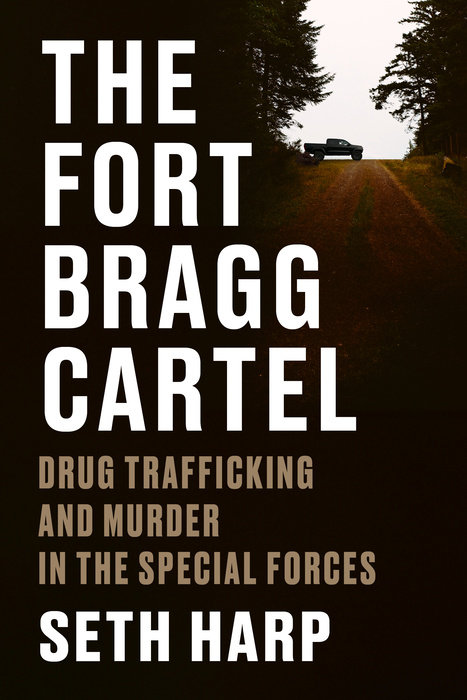
There is an undeniable symmetry between surges in drug use in the US and the country’s covert operations overseas. The wars in Indochina gave the US heroin epidemics; Latin America, a plague of powder and crack cocaine; the war on terror, heroin again and prescription opioids. The first CIA clients to see the benefits of the opium trade in South-East Asia were the Chinese Kuomintang expelled to the Golden Triangle between Burma, Thailand and Laos in the late 1940s. Decades later a KMT general explained: ‘We have to continue to fight the evil of communism, and to fight you must have an army, and an army must have guns and to buy guns you must have money. In these mountains the only money is opium.’ By 1973, the KMT was exporting 90 per cent of Burma’s opium, and controlled nearly a third of the world’s supply. According to the historian Alfred McCoy, the opium was shipped to Thailand and sold to a CIA client, a general in the Thai police. Another CIA client, the Hmong general Vang Pao of Laos, also used opium to raise funds. McCoy notes that the Laotians refined the heroin in a laboratory in Long Tieng, which, embarrassingly, was also the headquarters of CIA operations in northern Laos. Vang used the CIA’s Air America planes to export the drugs from his jungle outposts. These Air America flights were central to the logistics of the opium trade: a decade after the US withdrawal from Indochina in 1975 and the end of CIA support for Vang’s army, opium production in Laos had slumped from two hundred tons to thirty tons a year.
During the Vietnam War, heroin was so readily available in Indochina that a New York Times report claimed that between 10 and 15 per cent of lower-ranking enlisted men were addicted, with some units reporting dependency rates above 50 per cent. Many soldiers brought their heroin habit back home. The US government refused to acknowledge the connection with the opium trade in the Golden Triangle and blamed the epidemic in the US on Turkish poppy fields. A drug epidemic expedited by war gave the Nixon administration a useful alibi for its War on Drugs in Latin America, and for the creation of a vast prison infrastructure in the US. In a 1994 interview with the writer Dan Baum, Nixon’s aide John Ehrlichman explained that
the Nixon campaign in 1968, and the Nixon White House after that, had two enemies: the anti-war left and black people … We knew we couldn’t make it illegal to be either against the war or black, but by getting the public to associate the hippies with marijuana and blacks with heroin, and then criminalising both heavily, we could disrupt those communities. We could arrest their leaders, raid their homes, break up their meetings, and vilify them night after night on the evening news. Did we know we were lying about the drugs? Of course we did.