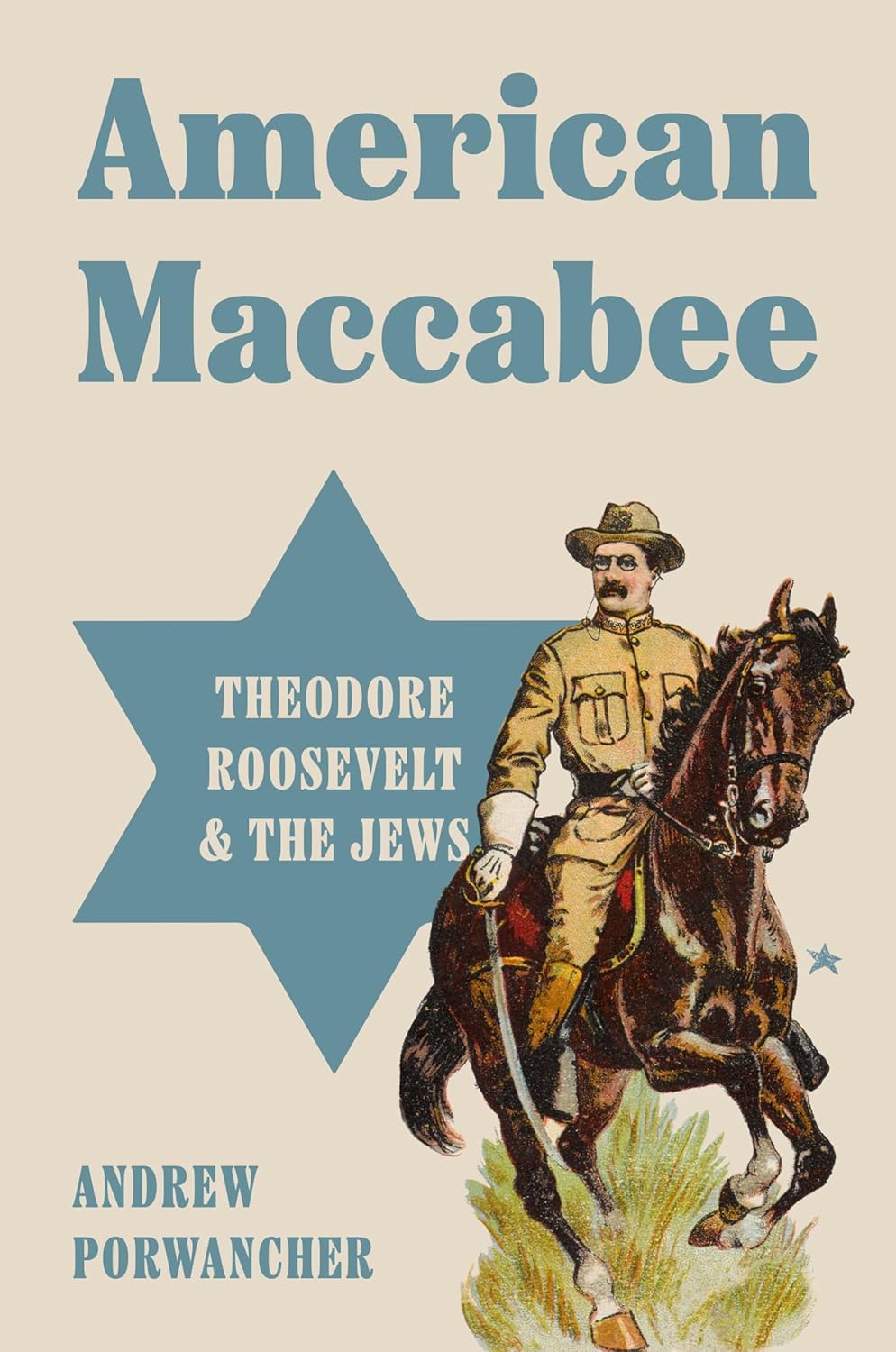
Questions of meritocracy and diversity have been freshly thrust to the center of our national discourse thanks to a pitched battle between two presidents—one of the United States, the other of Harvard University. It is fitting, then, that the figure in American history who perhaps best personified the complicated relationship between meritocracy and diversity was someone who intimately knew both Harvard Yard and the Oval Office: Theodore Roosevelt. This Harvard alum turned head of state saw great virtue in talent and inclusion alike, but he often found it challenging to synthesize both values into a coherent worldview. It is unsurprising that this difficulty surfaced for TR when it came to hiring and promoting Jews in particular. After all, the question of Jewish belonging in America became ever more salient in his era as waves of Jewish refugees reached the nation’s shores.
Roosevelt’s oscillation between meritocracy on the one hand and diversity on the other was on full display in one especially illustrative letter. Written to a Gentile on the eve of his presidency, TR had by that point enjoyed numerous opportunities to recruit and elevate Jews—Roosevelt had served as New York’s police commissioner, as leader of the Rough Riders, and as Governor of the Empire State. Throughout those experiences, he grappled with a core tension: Roosevelt wanted to include Jews in public service, yet his commitment to meritocracy demanded that religious identity remain irrelevant in employment and advancement. Looking back on his gubernatorial tenure, Roosevelt recalled, “On the State Board of Charities, I thought it was right to see that the different creeds had representation, and I think that the Jews whom I appointed … were as fine a body of American citizens as have ever been put on such a board.” Here, he touted the value of deliberately providing for religious diversity. But in that selfsame missive, Roosevelt then contradicted himself by refuting the notion that his selection of officials was influenced by their faith: “When I appointed Judge Hirschberg of Newburg on the Appellate Division of the Supreme Court, I did so not because he was a Jew but because I thought he was the best judge for promotion.” The remainder of the letter vacillated between the principles of intentional diversity and faith-blind meritocracy. For instance, Roosevelt described how he actively sought Jews for the police department in order to combat stereotypes of Jewish frailty. Yet TR also emphasized that his elevation of a Jewish solider to the rank of lieutenant had nothing to do with that Rough Rider’s religion.