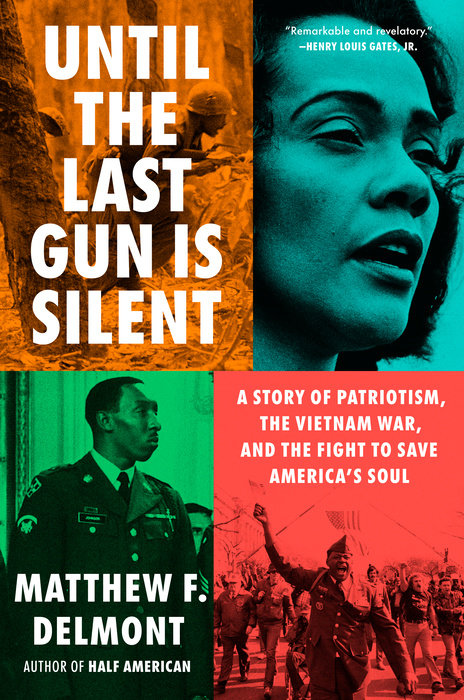
By the end of the night, Coretta Scott King would become one of the nation’s most visible—and, to some, most dangerous—critics of America’s rapidly expanding war in Vietnam.
Standing before a crowd of eighteen thousand people inside New York’s Madison Square Garden on a warm June night in 1965, at the “Emergency Rally on Vietnam,” she had every reason to feel uneasy. She knew the FBI was watching. Civil rights activists like her were under constant surveillance, and whatever she said would end up in a government file. Outside, right‑wing demonstrators picketed the rally, accusing anyone who opposed the war of being a Communist or a Communist sympathizer.
And Coretta was the only woman invited to speak that night. She would take the stage alongside US Senator Wayne Morse, the political scientist Hans Morgenthau, the pediatrician and bestselling author Benjamin Spock, the civil rights organizer Bayard Rustin, and the Pulitzer Prize-winning poet Robert Lowell, who received a standing ovation for his recent refusal to visit the White House in protest of the war.
As she waited for the actor and activist Ossie Davis, her dear friend, to introduce her, Coretta gently thumbed through her notes, making sure the pages were in order. She had spent years thinking, organizing, and marching alongside her husband. Now she was eager to use her own voice to speak for peace.
The ads for the rally billed her as “Mrs. Martin Luther King,” following the custom of the era. But if anyone in the crowd expected her to be demure, she quickly set them straight.
“Have you often wondered,” she began, “why it is that the same President Johnson who speaks so eloquently for civil rights and who has been so moved by the struggle for the right to vote and the anguish of the poor can be so callous about the Vietnamese, and so apparently thoughtless on foreign policy?”
She let the question hang in the air.
In the three months leading up to the rally, the number of American troops in Vietnam had more than doubled—to fifty‑two thousand. On the day of the event, the State Department confirmed that President Johnson had authorized US ground forces to engage in combat if requested by the South Vietnamese Army.
Many in the arena had voted for Johnson over the Republican Barry Goldwater just the year before. Now they were openly criticizing the president’s decision to commit the nation to a land war in Asia.
Coretta asked the crowd to consider the human cost of that policy.