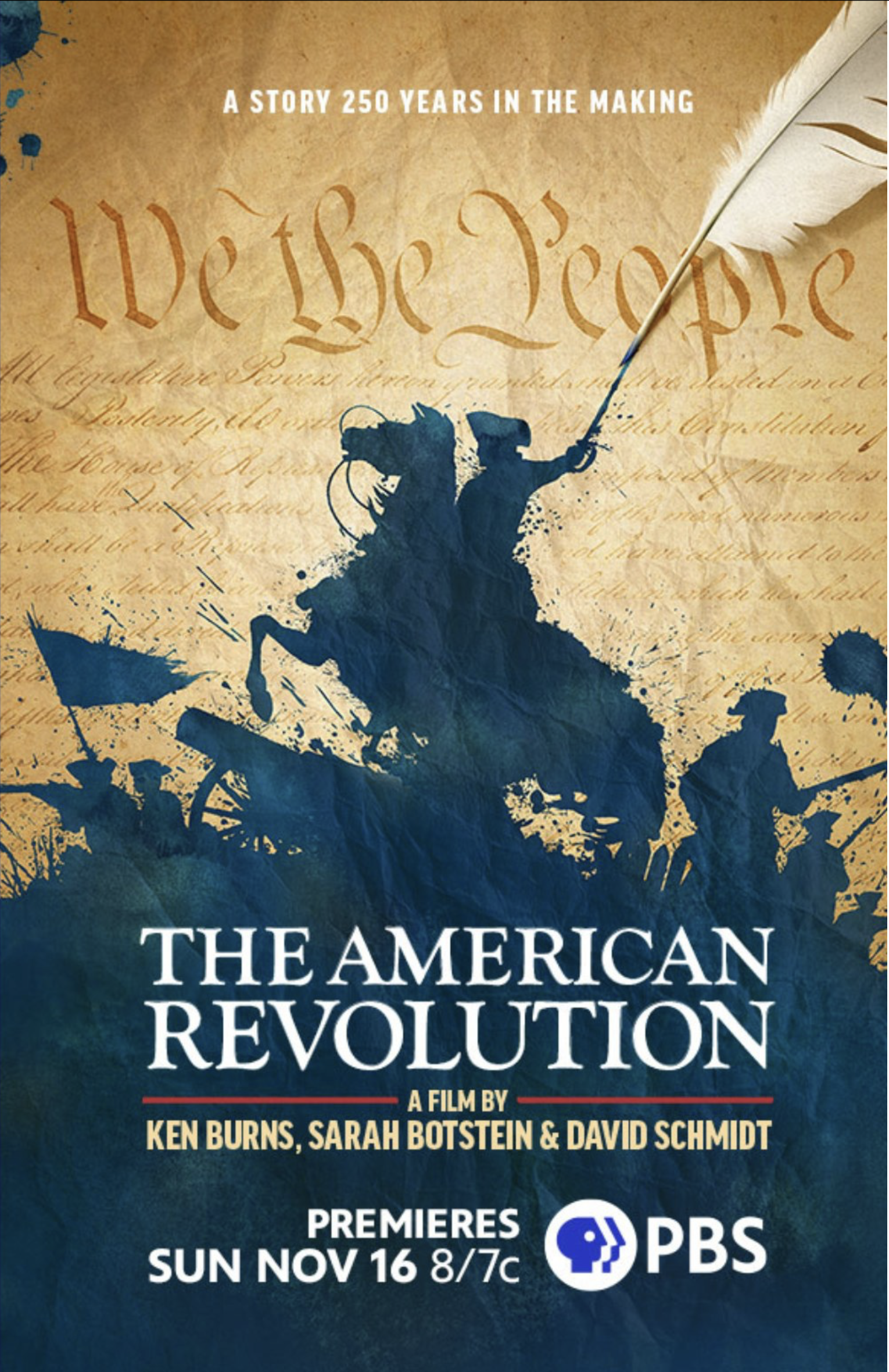
Ken Burns’s The American Revolution—a six-part, 12-hour, $30 million film now airing on PBS—is sure to shape the way much of the public views our nation’s founding for years and even decades to come. The task is mammoth: to document the bloody and complicated six-year war that birthed the United States. Coming on the eve of the 250th anniversary of that founding, this is clearly a unique opportunity to set aside stale legends for a richer and more compelling tale of how our nation was made, drawing on new scholarship that has unearthed fresh tales and chipped away at old assumptions. Burns should get credit for including the voices of many women, African Americans, and Indigenous peoples, so long ignored. In many instances, however, the filmmaker and his team have failed to get their facts straight, while clinging to outdated narratives that betray a partisan favoritism. This may be good storytelling, but it’s bad history.
The second episode alone, which aired on November 17 and covers the critical year between May 1775 and July 1776, is rife with a slew of errors and omissions that make the patriots appear more heroic and the British more wicked. We learn, for example, that a Royal Navy captain burned part of the Maine city of Falmouth—later renamed Portland—in the fall of 1775. What we are not told is that this brutal act was direct retribution for the killing of a British captain and crew and the seizure of a British warship by Maine patriots.
That might be dismissed as a minor point. Not so the discussion of the Revolution’s start in the colony of Virginia. We are repeatedly told that Virginia’s participation in the patriot cause was essential for transforming what was a regional rebellion in New England into a continental conflict. So why do we not learn about the first bloodshed to take place south of Massachusetts? The October 1775 skirmish in the little port of Hampton was sparked not by anger over taxes but by British refusal to return enslaved people to patriot servitude.
Lord Dunmore, the royal governor of Virginia, makes an appearance as the British leader who freed and armed hundreds of those held in bondage by patriots, and who risked all to flee their owners. Yet he is taken to task for failing to emancipate any of his own enslaved people. The historical record, however, shows that he manumitted a middle-aged woman named Sarah, another named Cathern Scott, and a man—likely her husband—called Roger Scott—and perhaps many more. Most of his enslaved people were, in any case, beyond his power to emancipate, given that the patriots had months before seized and sold the majority.