Put differently, the intergenerational nature of Black Liberation Struggle has, in its petrified stagnancy, conceded the demand for revolution for the sake of ever-transforming movement cultures. Cultures that favor, in their "plurality of strategies," radical thought and praxis that betray the demand for revolution for the sake of preserving the tradition, even at their most capacious.
In the age of Radical Abolitionism's reign as the Left's consensus mode of counter-hegemonic struggle, this dynamic is especially sinister given that our movement's betrayal of the revolutionary demand requires captives in prisons, genocidal cleansing zones, settler states, and other zones of non-being.
And history has demonstrated that these intergenerational concessions have proven fruitful for sustaining not only radical movements, but the technologies of violence, captivity, and exploitation constitutive of the structure of predation that conditions the possibility for empire's continued expansion. The blueprint for the reformist concessions constitutive of George Jackson's definition of fascism are rooted in the settlements our movements accept in rendering themselves viable alternatives to revolution.
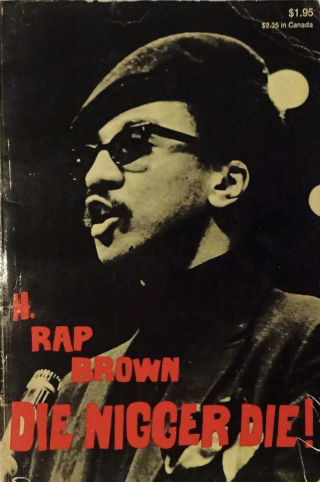
Decades prior to Jamil al-Amin's wrongful conviction and subsequent life sentence, The 1968 H. Rap Brown Law foreshadowed the 40 year period of incarcerating, exiling, and disciplining the youth revolutionaries who incited and affirmed the 1960s rebellions.
Evident of the violent nature of counter-insurgent radical concessions, The Civil Rights Act of 1968—which contains within it a number of hard-fought state reforms, including the Indian Civil Rights Act, Fair Housing Act, federal Hate Crimes protections—also includes Title X: Anti-Riot Act. It criminalized the use of interstate or foreign commerce routes or facilities. Crossing state lines, sending mail, using the Internet, or phone calls to incite, organize, promote, participate in, or extend the activities of a riot, or to aid and abet any person performing such riot-related activities, became federal offenses.
The law was named for al-Amin's legal battle which culminated in a 1970 trial to convict him of inciting a riot in Cambridge, Maryland in 1967 after a portion of the community's Black neighborhood mysteriously caught fire following one of his speeches.
The specter of H. Rap Brown, his militance, the militance of the revolution he insisted on waging, and that of the riots against which the freedom struggle is foregrounded, in many ways mirrors the long 21st century and the upheavals that yielded a more perfect fascist carceral apparatus.