There’s plenty of room to disagree with all this: You and I can reel off any number of novels, art films and TV shows that demonstrate the kind of boundary-pushing Marx says he seeks. (It makes a certain sense that highbrow books and movies would get short shrift in “Blank Space,” being relatively niche pursuits, but his relative neglect of prestige TV feels like a curious lapse.) Still, for every “Children of Men” there are a dozen “Minions” knockoffs, for every “To Pimp a Butterfly” a tidal wave of brain rot. The early-aughts “poptimism” that judged the judgey for demonstrating judgment opened the door to an everything-is pretty-OK lack of discernment.
Whether that’s what put us on a slippery slope to Kanye West peddling T-shirts with swastikas on them is open to debate. But there’s no question that artists are fighting uphill like never before. “How did advocating for timeless artistry at the expense of shallow commercial reality become an ‘elitist’ position?” Marx asks toward the end, pressing creators and consumers alike to sidestep poptimism’s guilt-tripping and operate outside the boundaries of the algorithm.
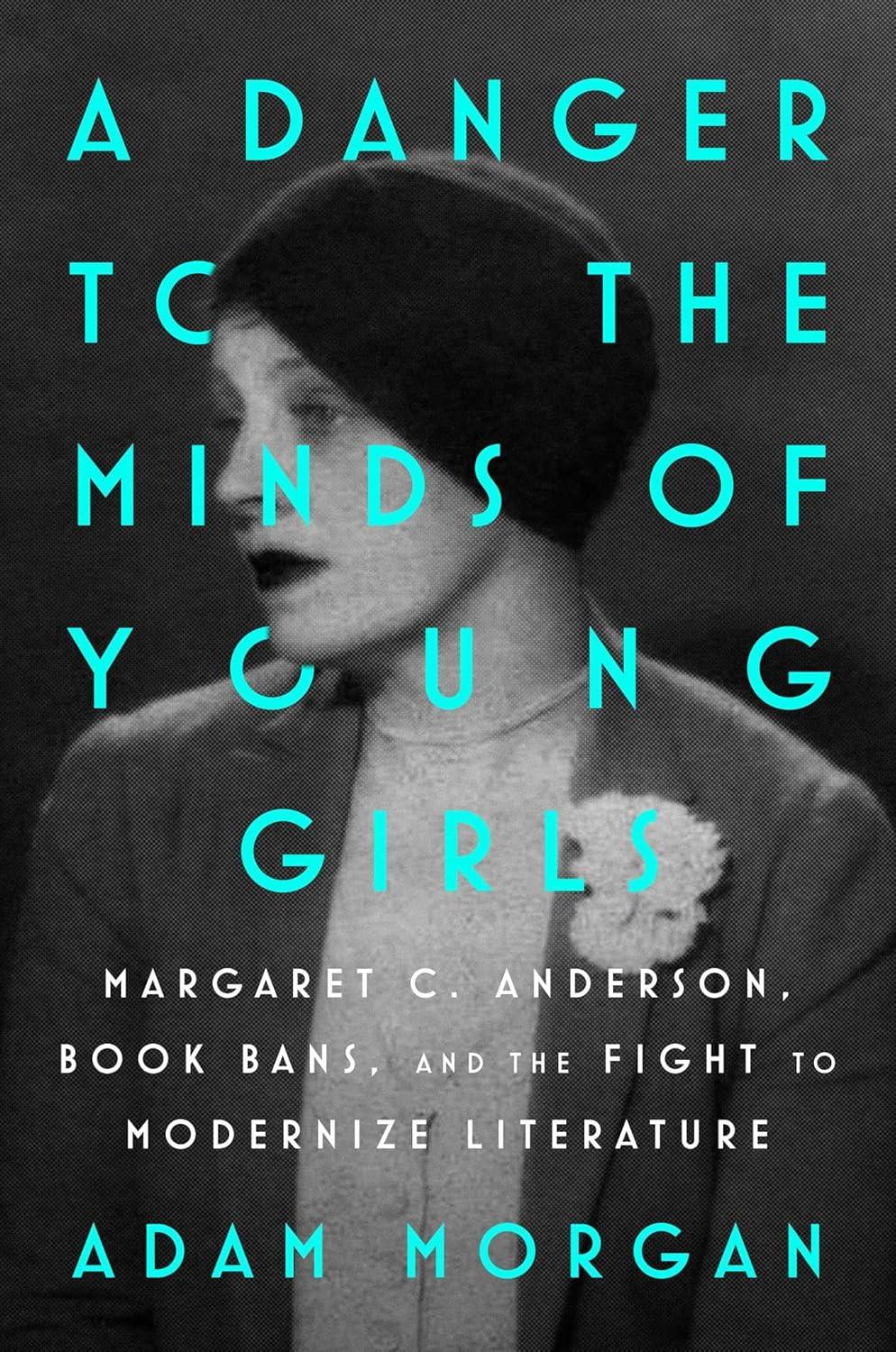
What would that look like? It may help to set the time machine to a century ago. In “A Danger to the Minds of Young Girls,” critic Adam Morgan considers the case of Margaret C. Anderson, who founded the literary magazine the Little Review in 1914. Though its circulation was as minuscule as its name suggests, it wielded outsize influence on Modernist writing. Recruiting firebrand poet Ezra Pound as her European talent scout, Anderson began publishing works by T.S. Eliot, Gertrude Stein and others, most famously serializing James Joyce’s “Ulysses,” a decision that made her a target of censors and conservatives.
The woman at the center of what Morgan calls “America’s first modern culture war” was a poor fit for her times. Headstrong, queer and disinterested in Victorian pieties, she escaped her smothering Indianapolis family and headed to Chicago, where she hustled work as a bookseller and book reviewer. But her approval of then-risque fare like Theodore Dreiser’s “Sister Carrie” got her tut-tutted by editors. “What they wanted of me was moral rather than literary judgments,” she said.
She struck out on her own, launching the Little Review with her lover, Jane Heap. Anderson was enchanted by outsiders — not just avant-garde writers but radicals like Emma Goldman. She fired back at haters in the letters section. When money was tight, she relocated to a tent north of Chicago to keep the magazine afloat. And when moral scolds seized on excerpts of “Ulysses” — citing the Comstock Act’s ban on sending “obscene” material via U.S. mail — she protested. Copies of the magazine were seized and burned, and her lawyer’s argument that Joyce’s language was too complex to serve as pornography fell on deaf ears.