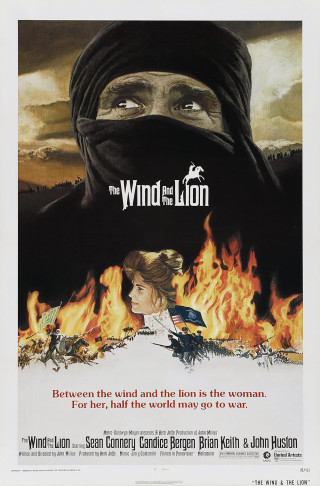
Although a grand adventure story, and one that took several crowd-pleasing liberties with its historical source material, the film centers on a pensive monologue given by Roosevelt in Yellowstone. That monologue is worth quoting in full:
The American grizzly is a symbol of the American character: strength, intelligence, ferocity. Maybe a little blind and reckless at times … but courageous beyond all doubt. And one other trait that goes with all previous. … Loneliness. The bear lives out his life alone. Indomitable, unconquered—but always alone. He has no real allies, only enemies, but none of them are as great as he. … The world will never love us. They respect us—they may even grow to fear us. But they will never love us. For we have too much audacity. And we’re a bit blind and reckless at times, too.
Teddy Roosevelt bequeathed to America the Roosevelt Corollary and the Big Stick—both of which, incidentally, Trump has now wielded in Venezuela. But what Roosevelt really stamped upon the face of America was not a doctrine but an ethos. Ever since, American foreign policy has been something of a grizzly bear: strong, audacious, and (mostly) alone.
America is strong. The Wind and the Lion revels in the martial parades, swagger, and iconography that once captivated Americans and still captivate our president. Roosevelt is portrayed, accurately, as a man’s man: a powerfully built and virile boxer; an impeccable shot; and a loving and authoritative father. Unlike his willowy Secretary of State (a delightfully sly and cynical John Huston) or the stooping Washington creatures who mill about him, Roosevelt—like the crowds that adore him—is upright, energetic, and imposing.
The same vim enlivens American policy. Where Europeans had paid handsomely for their ransomed nationals, Roosevelt defies the Moroccan bandits with clear threats and bold action. The Europeans sent gold; Roosevelt sent warships. And in a Kiplingesque touch, Keith’s Roosevelt and Connery’s Raisuli gradually come to admire each other: they respect the strength and daring of the other man, and each, of course, wants to “find out what kind of weapon the old ****** uses.”