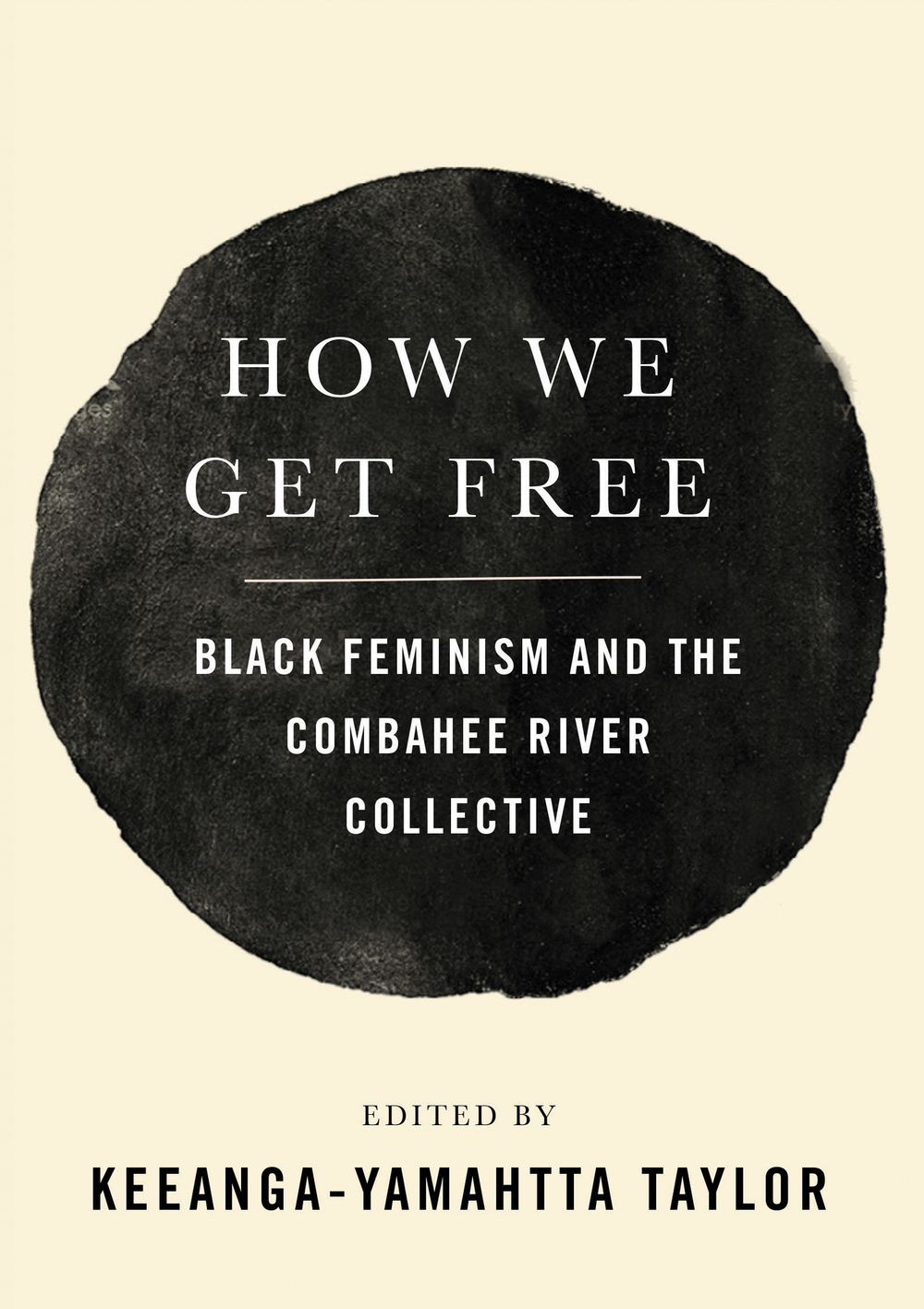
In 1974, the Combahee River Collective, a group of Black lesbians based in Boston, organized themselves as a break to the left from a more conventional national organization called the National Black Feminist Organization (NBFO), which itself had been formed as a Black-oriented version of the National Organization for Women. Murray, a co-founder of NOW, had left the group, feeling that it was overly focused on middle-class white women. The NBFO’s founding statement in 1973 explained that the group’s emergence was necessary to “strengthen the current efforts of the Black Liberation struggle in this country by encouraging allof the talents and creativities of black women to emerge, strong and beautiful, not to feel guilty or divisive, and assume positions of leadership and honor in the black community. … We will continue to remind the Black Liberation Movement that there can’t be liberation for half the race.”
Barbara Smith and her twin sister, Beverly, who helped to found the Combahee River Collective, were initially active in the NBFO chapter in Boston. But they broke away to form a new group “since we had serious disagreements with NBFO’s bourgeois-feminist stance and their lack of a clear political focus,” as the Combahee statement later explained.
The Combahee River Collective engaged in local campaigns across Boston, but it was never very large and mostly focused on internal consciousness-raising and political education. The collective is best known for its powerful statement, drafted in 1977 at the request of Zillah R. Eisenstein, who wanted to include it in her anthology Capitalist Patriarchy and the Case for Socialist Feminism.
As Barbara Smith, a co-author of the statement, said of its significance: “The concept of the simultaneity of oppression is still the crux of a Black feminist understanding of political reality and, I believe, one of the most significant ideological contributions of Black feminist thought. We examined our own lives and found that everything out there was kicking our behinds — race, class, sex, and homophobia. We saw no reason to rank oppressions or, as many forces in the Black community would have us do, to pretend that sexism, among all ‘isms,’ was not happening to us.”