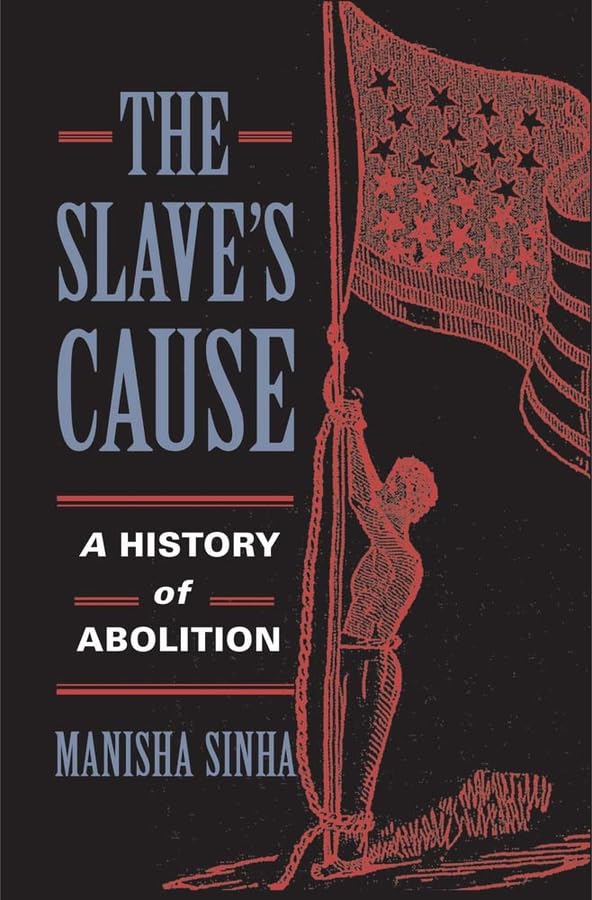
Abolitionism is the primordial reform movement of American history, creeping into view with the creation of the republic. It spawned other movements, most notably feminism. Whatever their cause, today’s activists look back to abolitionism for inspiration, tactics, and moral authority. No respectable historian today disputes the injustice of slavery. And yet the movement to abolish it remains highly controversial.
Some of the first histories of abolitionism were written after the Civil War by abolitionists themselves, to vindicate what they had done. Apologists for white supremacy in the era of Jim Crow then cast abolitionists as villains who fanned the flames of sectional conflict. After the civil-rights generation rehabilitated the movement’s reputation, more-recent scholars have seen the abolitionists as smug do-gooders and promoters of bourgeois values. Challenging the cynics, Sinha offers a new appreciation of those who struggled against slavery.
The slave’s cause is a long book—almost 600 pages of text—but abolitionism had a long history, longer than many think. Sinha discerns two “waves” of abolitionism, spanning 300 years. The first wave began with sporadic critiques of the Atlantic slave trade and slavery in the Americas as far back as the writings of the Spanish priest Bartolomé de las Casas in the 16th century. It gained momentum among Quakers and other Protestant dissidents, and swelled in the revolutionary era from the 1770s to the 1820s, cresting with the Haitian revolution, from 1791 to 1804. Placing abolitionism in its international context is just one of the great strengths of The Slave’s Cause.
The second wave, from the late 1820s through the Civil War, saw abolitionism coalesce into a social and political movement that called for an immediate end to slavery in the United States. This wave grew out of the obvious failure of first-wave abolitionism to stop the spread and growth of American slavery. Yet it also gained strength from the achievements of its predecessor, which included the emergence of substantial free black communities in the Northern states and upper South. The metaphor of waves has its limitations, but it does provide a nonlinear alternative to the image of a relentless forward march of progress.
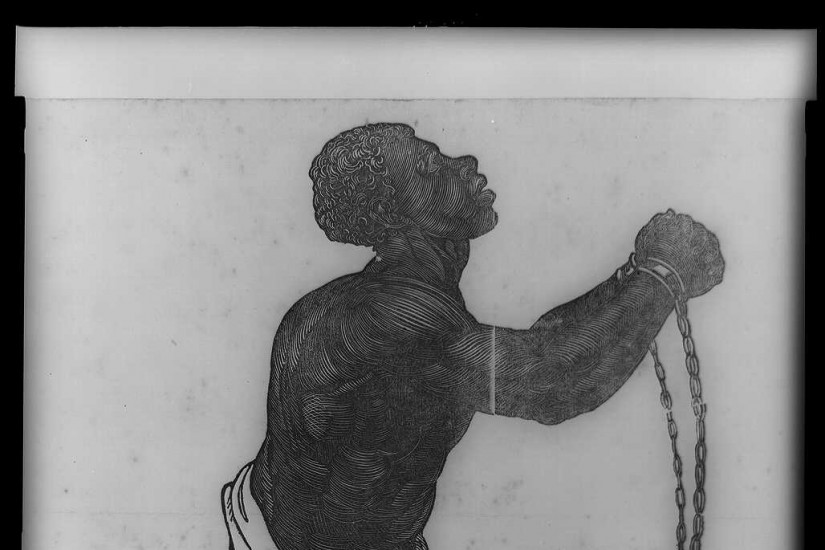
Black people were central to the movement, Sinha argues. They were not merely the objects of white abolitionists’ sympathy. Slave resistance blew up the big lie that slaves were happy in bondage. Those who made their way out of slavery testified to its cruelty. They bore the evidence on their backs. Black orators and writers hammered away at American hypocrisy, slavery’s “democratic whips—its republican chains,” in the words of the escaped slave and novelist William Wells Brown. Despite meager resources, black subscribers sustained the leading abolitionist newspaper, William Lloyd Garrison’s The Liberator, as well as newspapers edited by Frederick Douglass, Mary Ann Shadd Cary, and other African Americans. Black churches championed an antislavery theology.