“After we are dead, the pretense that we may be protected against the world’s careless malice is abandoned,” Janet Malcolm wrote in her book The Silent Woman. She was referring to the poet and novelist Sylvia Plath, another beautiful young woman who died too soon, after which her life and words became grist for the biographical mill. But Malcolm’s words apply equally, even eerily, to the afterlife of Short—one of America’s most famous murder victims, and certainly among the most persistent subjects of the true-crime industrial complex.
From the moment Short’s killing became headline news, sensation was the prime directive. With every new lead, confession, and suspect, the actual Elizabeth receded further. It didn’t help that she was an enigmatic character in life, prone to embellishment and even lies. She recounted tales of woe to paramours only to ask them for money, exaggerated her prospects in missives to her mother, told friends about a dead husband and a child who probably didn’t exist—all without letting on about her actual precarious straits. Short avoided the spotlight, but over the nearly 80 years since her death, it has wholly consumed her.
This kind of flattening happens all too often with murder victims, particularly young women and girls who die at the hands of a serial killer, usually male. (Never mind that more marginalized women, especially women of color, are less likely to merit any attention at all.) In Short’s case, the flattening is particularly egregious, because the inchoate facts of her life are shoehorned into the obsessions of amateur sleuths who continue to get those facts wrong.
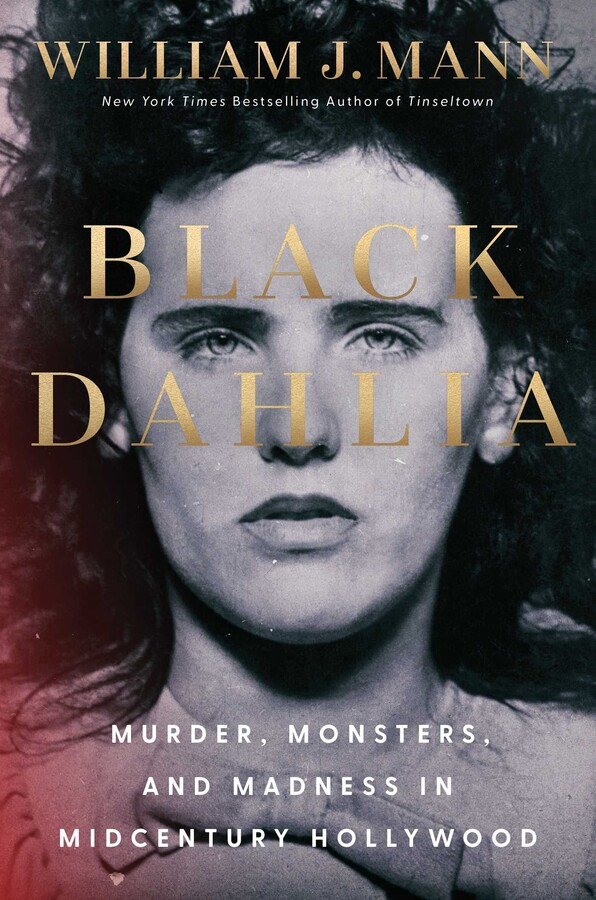
William J. Mann’s new book, Black Dahlia: Murder, Monsters, and Madness in Midcentury Hollywood, attempts a different approach: to weave the fragments we have into a narrative whole that prioritizes Short, in all of her contradictions, and tries to debunk decades’ worth of accumulated myths. Although Mann’s effort stands apart from the overlong run of books about the case, it, too, is undercut by the need to name a likely suspect, playing into the true-crime imperative it aims to leave behind.