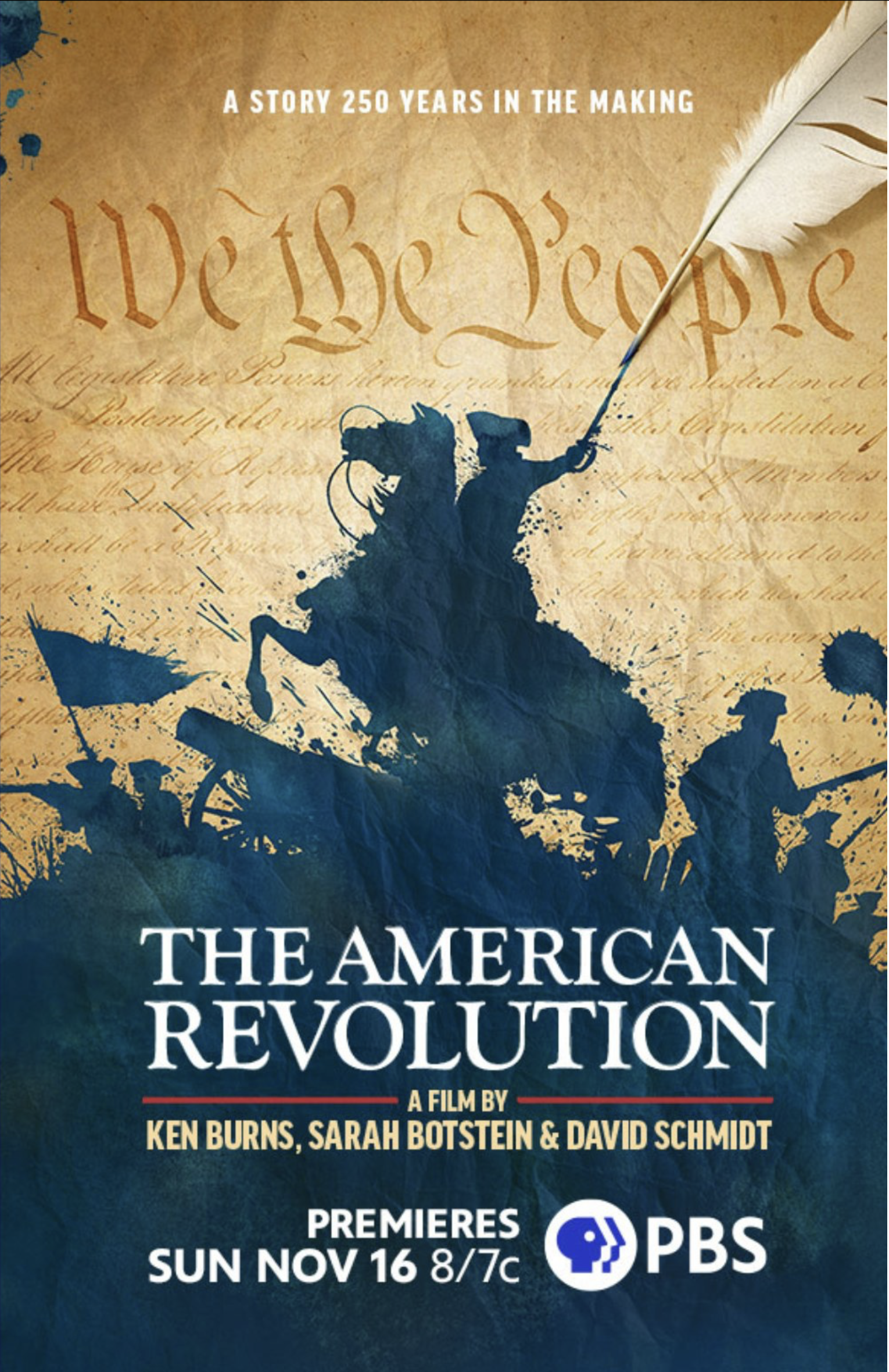
Much of this military history, though, is still old news for historians and even general viewers. Where the series breaks ground is in its descriptions of the war’s impact on different groups of Americans or, more neutrally, on different inhabitants of British North America. Scholarly work on the American Revolution over the last quarter century has had two main themes. One involves the war’s effect on the general population, or what we call the social history of the Revolution. It is not simply a question of who took which side, but rather a matter of how individuals, families, and communities, or ethnic and racial groups, coped with the opportunities the Revolution created and the costs its duration imposed.
The second main theme concerns the geographical diversity of North America, what scholars now call “Vast Early America.” Histories of the Revolution long emphasized the role of the major port towns, from Boston to Charles Town (soon to become Charleston). Much of the American countryside mattered only when the armies straggled over their terrain. In fact, the Revolution had profound impacts across the Appalachians and from the Great Plains to the Gulf of Mexico.
But the political history of the Revolution—its origins, innovations, consequences—remains the strangely understated part of the story. In the final episode, just before we hear Dr. Rush’s concluding remarks, we listen to a few platitudinous sentences on the Constitutional Convention that would barely pass muster in a junior high school textbook. The two premier analysts of the Revolution’s political origins and its constitutional consequences—my late mentor, Bernard Bailyn, and his most distinguished student, Gordon S. Wood—do make a few brief appearances here and there. But their remarkable effort to describe the transformative impact of the Revolution on American governance, politics, and culture never seeps through.
And without examining that impact, no viewer of this series would ever understand what made the Revolution revolutionary. Nor would anyone be able to explain why, at this moment of all moments in our history, with the Constitution teetering on implosion, the best way to think about the legacy of the Revolution involves retracing the course of the war from one campaign to another. That judgment seems all the more compelling because the techniques that Burns deployed so well in his other great productions are sorely missed here. There are no photographs to search minutely, no films to replay. Instead, we get modern painted renderings of events, historical re-enactors firing muskets, and dreamy videos of American landscapes, like the fog-swept mountains of the Carolinas.
