According to Rand, hallmarks of “subversive” material included negative portrayals of businessmen and wealthy people, along with the overly sympathetic depictions of the “common man” and the collective. Using these standards, the FBI reviewed more than 200 movies through the 1950s. generating a series of reports entitled “Communist Infiltration of the Motion Picture Industry.”
Informants panned Capra’s 1939 film Mr. Smith Goes to Washingtonas “decidedly socialist” and reported that films like Mission to Moscow (1943) and The North Star (1943) sanitized grim Soviet living conditions. The report noted that the 1943 movie Keeper of the Flame subtly equated fascism and Americanism, adding that star Katharine Hepburn “has been associated with communist-inspired or -directed activities in the Hollywood area.” Informants skewered the 1946 Oscar-winning film The Best Years of Our Lives for scenes in which a cigar-puffing businessman takes the seat of a returning veteran—who also loses his job after a national chain buys his hometown pharmacy. Even light comedies like Abbott and Costello’s Buck Privates Come Home were flagged for supposedly stirring class resentment.

James Stewart, as George Bailey, points at bank president Mr. Potter, played by Lionel Barrymore, in a scene from the film 'It's a Wonderful Life.' Bettmann Archive via Getty Images
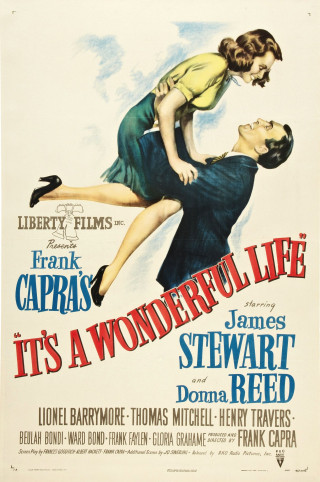
FBI Informants Denounce ‘It’s a Wonderful Life’
Through this lens, FBI informants viewed It’s a Wonderful Life as potentially subversive. Using Rand’s criteria, they argued that the character of banker Mr. Potter, described by George Bailey as an “old money-grubbing buzzard,” unfairly villainized bankers and the upper class.
“This picture deliberately maligned the upper class" … as "mean and despicable,” the FBI argued. “The film represented a rather obvious attempt to discredit bankers by casting Lionel Barrymore as a ‘scrooge-type’ so that he would be the most hated man in the picture.”
One informant even suggested rewriting the character to emphasize that he was responsibly safeguarding other people’s money. In their view, George Bailey appeared less like a community hero and more like anti-capitalist challenger to the town’s tycoon. “A subtle attempt was made to magnify the problems of the so-called ‘common man’ in society,” the FBI warned.
The bureau also targeted the film’s credited screenwriters, husband-and-wife team Frances Goodrich and Albert Hackett, saying they “practically lived with known communists and were observed eating luncheon daily” with two communist screenwriters. It failed to mention, however, that Dalton Trumbo, who penned an early version of the script, and several uncredited script contributors—including Albert Maltz, Michael Wilson and Clifford Odets—were current or former Communist Party members.