Menu
Excerpts
Exhibits
Collections
Originals
Categories
Map
Search
Excerpts
Curated stories from around the web.
Load More
Viewing 551–600 of 14,595
Sort by:
New on Bunk
Publish Date
New on Bunk
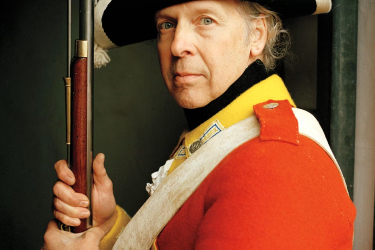
You Have No Idea How Hard It Is to Be a Reenactor
Benedict Arnold’s boot wouldn’t come off, and other hardships from my weekend in the Revolutionary War.
by
Caity Weaver
via
The Atlantic
on
October 8, 2025
The Lincoln Way
How he used America’s past to rescue its future.
by
Jake Lundberg
via
The Atlantic
on
October 10, 2025
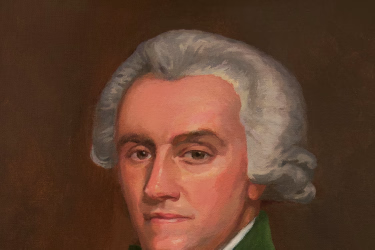
Secrets of a Radical Duke
How a lost copy of the Declaration of Independence unlocked a historical mystery.
by
Danielle Allen
via
The Atlantic
on
October 9, 2025
What Is Colonial Williamsburg For?
Telling the full story of the town’s past is an easy way to make a lot of people mad.
by
Clint Smith
via
The Atlantic
on
October 10, 2025
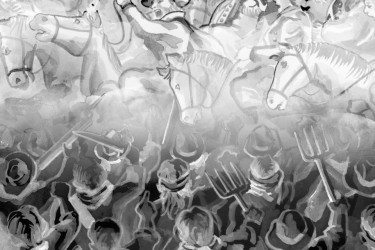
The Insurrection Problem
Violence has marred the American constitutional order since the founding. Is it inevitable?
by
Jeffrey Rosen
via
The Atlantic
on
October 9, 2025
How Native Nations Shaped the Revolution
The Founders were inspired—and threatened—by the independence and self-governance of nations like the Iroquois Confederacy.
by
Ned Blackhawk
via
The Atlantic
on
October 9, 2025
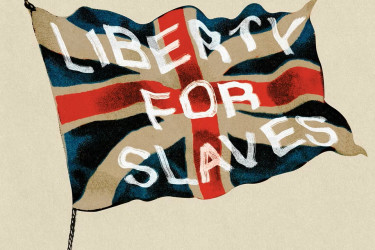
The Black Loyalists
Thousands of African Americans fought for the British—then fled the United States to avoid a return to enslavement.
by
Andrew Lawler
via
The Atlantic
on
October 8, 2025
The Constitution is a Political Document, Not a Sacred One.
Don't let its universalist language fool you.
by
Gregory Rodriguez
via
Contra Mundum
on
July 6, 2025
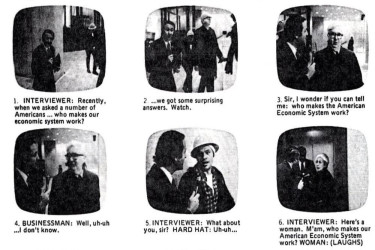
The Ad Campaign for Capitalism
In the 1970s, corporate America struck back at the forces attempting to rein it in. One of their tactics was a public service announcement.
by
David Sirota
,
Jared Jacang Maher
via
The American Prospect
on
October 13, 2025
The A.I. Boom and the Spectre of 1929
As some financial leaders fret publicly about the stock market falling to earth, a new book recounts the greatest crash of them all.
by
John Cassidy
via
The New Yorker
on
October 13, 2025
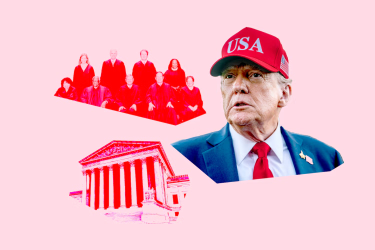
The Supreme Court Should Listen to the Founders on Tariffs
James Madison and John Marshall would say Trump’s tariffs are legal.
by
Chad Squitieri
via
Washington Post
on
October 9, 2025
The Many Lives of Eliza Schuyler
She lived for 97 years. Only 24 of them were with Alexander Hamilton.
by
Jane Kamensky
via
The Atlantic
on
October 10, 2025
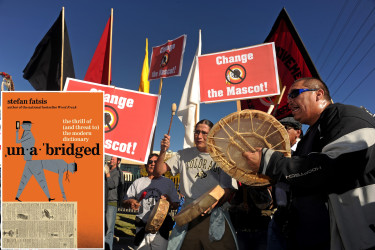
The Annotated History of a Slur
Digging through dictionary archives to uncover the slowly changing meaning of “redskin.”
by
Stefan Fatsis
via
Defector
on
October 13, 2025
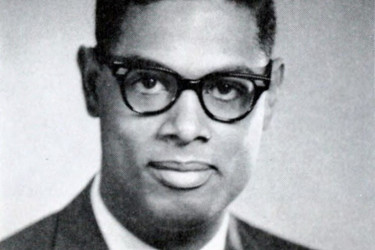
Freedom and the State in Thomas Sowell’s America
Tracing Thomas Sowell’s shift from Marxism to the Chicago school of economics.
by
Oscar Hughff-Coates
via
Journal of the History of Ideas Blog
on
October 6, 2025
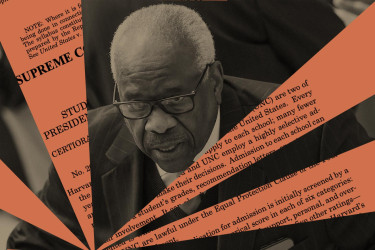
Clarence Thomas Accidentally Laid the Groundwork for Reviving Affirmative Action
In trying to shut the door on race-conscious affirmative action, he may have quietly left another affirmative action door wide open.
by
Maureen Edobor
,
Brandon Hogan
via
Slate
on
October 7, 2025
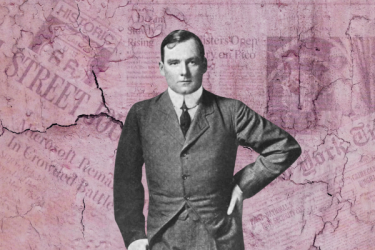
How America’s First Star War Reporter Set the Tone For a Century of Journalism
Unpacking the sensationalist, and occasionally biased, work of Richard Harding Davis.
by
Peter Maass
via
Literary Hub
on
October 9, 2025
Sins of the Fathers
In Life of a Klansman, Edward Ball’s white supremacist great-great-grandfather becomes a case study in the enduring legacy of slavery.
by
Colin Grant
via
New York Review of Books
on
October 28, 2021
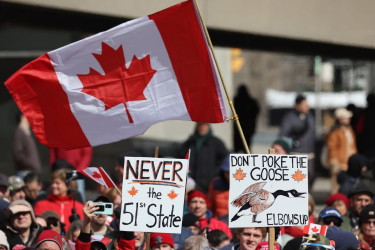
Anti-Americanism in Canada Is Nothing New — It’s a Tradition
Trump’s tariffs/threats have sparked boycotts and motivated voters north of the border, but Canadians’ desire to distance themselves from the US has deep roots
by
Jake Pitre
via
New Lines
on
September 19, 2025
Why Italian Americans Loved Armani
With sumptuous fabric and big shoulder pads, 'King Giorgio' draped us in an outsized identity.
by
Deirdre Clemente
via
Zócalo Public Square
on
October 8, 2025
partner
Book Bans, Student Rights and a Fractured Supreme Court Ruling
Island Trees v. Pico tested student rights, free expression and the limits of school boards.
via
Retro Report
on
October 3, 2025
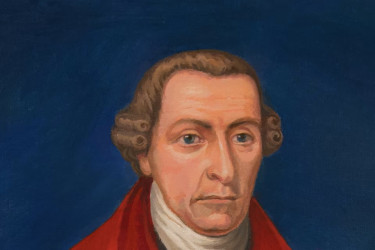
No One Gave a Speech Like Patrick Henry
Henry’s fiery oratory turned words into revolution, merging faith, emotion, and democracy to help speak a nation into being.
by
Drew Gilpin Faust
via
The Atlantic
on
October 8, 2025
Why Did Benjamin Franklin’s Son Remain Loyal to the British?
One of the most influential and ardent Patriots couldn’t persuade his son to join the Revolution.
by
Stacy Schiff
via
The Atlantic
on
October 8, 2025
Trump: The US Lost Vietnam and Afghanistan Due to Woke
Trump thinks the US was constrained by “political correctness” in Vietnam and Afghanistan. But those wars were characterized by dehumanization and destruction.
by
Ben Burgis
via
Jacobin
on
October 9, 2025
The Myth of Mad King George
He was denounced by rebel propagandists as a tyrant and remembered by Americans as a reactionary dolt. Who was he really?
by
Rick Atkinson
via
The Atlantic
on
October 8, 2025
Whose Independence?
The question of what Jefferson meant by “all men” has defined American law and politics for too long.
by
Annette Gordon-Reed
via
The Atlantic
on
October 9, 2025
The Supreme Court Is Being Tested on History Once Again
The leading arguments in support of Black voting rights were race-conscious at their core.
by
David H. Gans
via
Slate
on
October 7, 2025
The Treacherous Allure of the “Polarization” Dogma
Fareed Zakaria blames America’s crisis on “polarization,” but the real issue is asymmetric radicalization: the Right’s anti-democratic turn.
by
Thomas Zimmer
via
Democracy Americana
on
September 14, 2025
partner
Video Games Have Long Been a Convenient Scapegoat
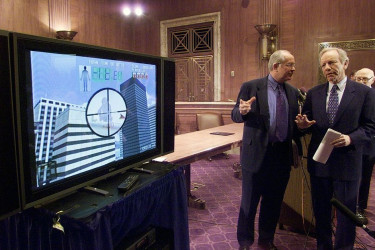
Blaming video games for violence saves Americans from having to grapple with deeper, harder to solve societal problems.
by
Aaron Coy Moulton
via
Made By History
on
October 8, 2025
The Obama-Era Roots of DOGE
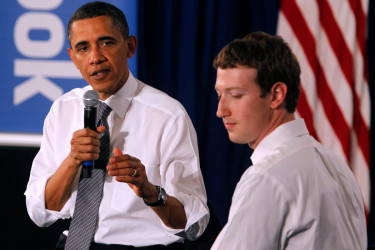
The Congressional Hackathon highlights fading faith in tech fixes and exposes the limits of AI optimism.
by
Jacob Bruggeman
via
Compact
on
October 9, 2025
Why Concord?
The geological origins of the American Revolution.
by
Robert A. Gross
,
Robert Thorson
via
The Atlantic
on
October 8, 2025
Should We Move on From Hitler?
What happens when Hitler’s shadow fades—and what moral vision replaces it?
by
Jeroen Bouterse
via
3 Quarks Daily
on
October 9, 2025
Nixon Now Looks Restrained
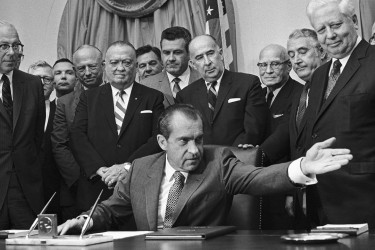
The former President once made an offhand remark about Charles Manson’s guilt. The reaction shows how aberrant Donald Trump’s rhetoric is.
by
Ruth Marcus
via
The New Yorker
on
October 9, 2025
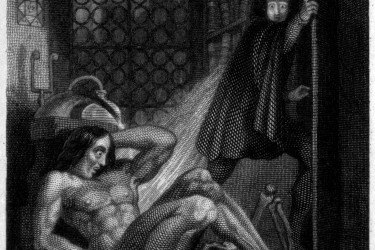
Dr. Frankenstein’s Benchmark: The S&P 500 Index and the Observer Paradox
Nearly seventy years after its creation, the S&P 500 may be fit for purpose, but it is clearly no longer the narrow one of the 1950s.
by
Daniel Peris
via
American Affairs
on
August 20, 2025
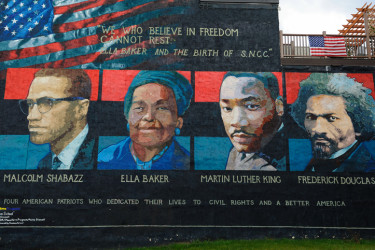
Ella Baker, Pragmatism, and Black Democratic Perfectionism
The great civil rights leader was suspicious of charisma, and she had something else in mind.
by
Eddie S. Glaude Jr.
via
Arc: Religion, Politics, Et Cetera
on
September 24, 2024
The Birth of the Attention Economy
The rise of the cheap, daily newspaper in the 19th century remade how Americans engaged with the world.
by
Jake Lundberg
via
The Atlantic
on
July 31, 2025
It’s the Internet, Stupid
What caused the global populist wave? Blame the screens.
by
Francis Fukuyama
via
Persuasion
on
October 2, 2025
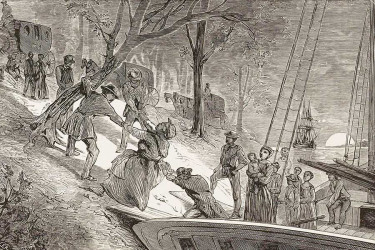
The Underground Railroad’s Stealth Sailors
The web of Atlantic trading routes and solidarity among maritime workers meant a fugitive's chances of reaching freedom below deck were better than over land.
by
Eric Foner
via
New York Review of Books
on
October 2, 2025
Trump’s Blueprint to Crush the Left Draws from Decades of Counterterrorism Policy
Trump's NSPM-7 is a pivotal policy endangering free expression in the United States.
by
Chip Gibbons
via
Drop Site
on
October 3, 2025
Brown Stage Capitalism
Cory Doctorow’s ‘Enshittification’ describes how tech platforms (and everything else) went down the sewer. Hint: It rhymes with ‘deshmegulation.’
by
Maureen Tkacik
via
The American Prospect
on
October 7, 2025
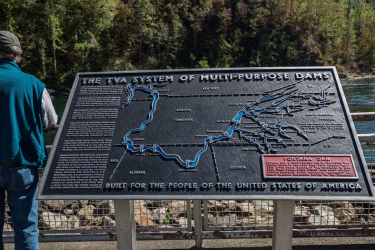
Will the TVA Survive Trump’s New Deal?
After a century of big-government bureaucracy, the U.S. has a developer-in-chief.
by
James P. Pinkerton
via
The American Conservative
on
October 6, 2025
A Brief History of Solitary Confinement in America
The use of the punitive tactic exploded a century after US officials had deemed it too torturous.
by
Christopher Blackwell
via
Jewish Currents
on
October 1, 2025
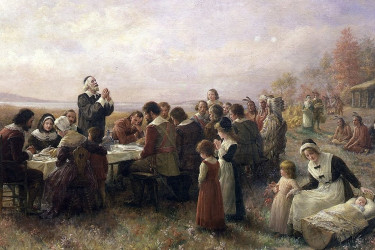
Thanksgiving Is Another Reminder of What America Forgot
The absence of Native perspectives in American history books and classrooms has been remarked on for over 50 years. Will it ever change?
by
Nick Martin
via
The New Republic
on
November 28, 2019
The Bargaining Chips Are … Chips: On Chris Miller’s “Chip War”
"An account of how chips became a strategically vital resource whose importance is overlooked at our peril.”
by
W. Patrick McCray
via
Los Angeles Review of Books
on
October 4, 2022
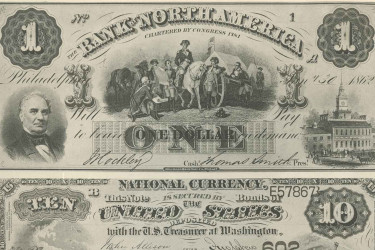
The Civil War's Economic Shadow
To finance the war, the Union had to turn to the banks, and with lasting consequences.
by
Stephanie McCurry
via
The Nation
on
November 2, 2022
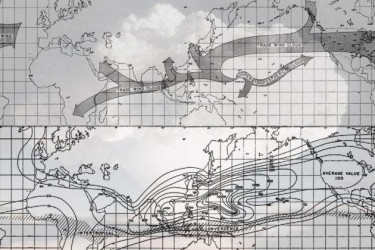
The Nuclear Fallout Maps That Revealed a Contaminated Planet
The first maps of the nuclear contamination of the world reinforced our understanding of the entire biosphere as a radically interconnected ecological space.
by
Sebastian V. Grevsmühl
via
The MIT Press Reader
on
March 12, 2024
Blocks for Freedom
Sewing for voting in post-Jim Crow Mississippi.
by
William Sturkey
via
Southern Cultures
on
April 15, 2024
The Thinking Person’s Hawk
Zbigniew Brzezinski’s ideas had a profound impact in his time. What would he think of the world we face today?
by
James Mann
via
Democracy Journal
on
October 2, 2025
How ‘Diversity’ Became the Master Concept of Our Age
Across the ideological spectrum, it’s become a bedrock value. What does it mean?
by
Nicolas Langlitz
via
The Chronicle of Higher Education
on
May 7, 2024
Who Invited Robert?
Robert’s Rules shaped 19th-century civic life but were later rejected by 1960s movements, showing shifting ideas of democracy and community.
by
Taylor Hines
via
Damage
on
June 17, 2024
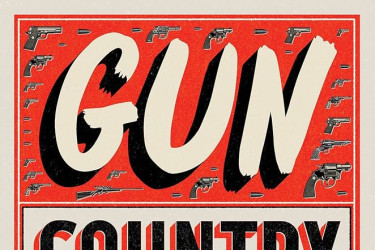
America, the Dumping Ground
A new book frames America's gun culture as the consequence of the U.S.'s post-World War II decisions to favor consumerism over safety.
by
Noah Shusterman
via
The New Rambler
on
June 27, 2024
Previous
Page
12
of 292
Next
Filters
Filter by:
Categories
Belief
Beyond
Culture
Education
Family
Found
Identity
Justice
Memory
Money
Place
Power
Science
Told
Content Type
-- Select content type --
Annotation
Antecedent
Argument
Art History
Audio
Biography
Book Excerpt
Book Review
Bunk Original
Comment
Comparison
Debunk
Digital History
Discovery
Dispatch
Drawing
Etymology
Exhibit
Explainer
Film Review
First Person
Forum
Journal Article
Longread
Map
Media Criticism
Museum Review
Music Review
Narrative
News
Obituary
Oral History
Origin Story
Overview
Poll
Profile
Q&A
Quiz
Retrieval
Satire
Social Media
Speech
Study
Syllabus
Theater Review
Timeline
TV Review
Video
Vignette
Visualization
Select content type
Time
Earliest Year:
Latest Year: