Menu
Excerpts
Exhibits
Collections
Originals
Categories
Map
Search
Idea
fiction
241
Filter by:
Date Published
Filter by published date
Published On or After:
Published On or Before:
Filter
Cancel
Viewing 31–60 of 241 results.
Go to first page
The Impossible Contradictions of Mark Twain
Populist and patrician, hustler and moralist, salesman and satirist, he embodied the tensions within his America, and ours.
by
Lauren Michele Jackson
via
The New Yorker
on
April 28, 2025
America the Beautiful
One hundred years ago, "The Great Gatsby" was first published. It remains one of the books that almost every literate American has read.
by
John Pistelli
via
The Metropolitan Review
on
April 7, 2025
Zora Neale Hurston’s Rediscovered Novel
A new publication obscures the canonical writer.
by
Tiana Reid
via
The Yale Review
on
March 11, 2025
Done in by Time
A review of Edwin Frank's short list of great 20th century novels.
by
Joseph Epstein
via
Lamp Magazine
on
February 14, 2025
How Literature Predicted and Portrayed the Atom Bomb
On Pierrepoint B. Noyes, H.G. Wells, and the “Superweapons” of early science-fiction.
by
Dorian Lynskey
via
Literary Hub
on
January 28, 2025
Honey, I Forgot to Duck
Reagan’s capacity to inhabit and generate legend stemmed from his own impulse to substitute pleasing fictions for inconvenient facts.
by
Jackson Lears
via
London Review of Books
on
January 15, 2025
Why Zora Neale Hurston Was Obsessed with the Jews
Her long-unpublished novel was the culmination of a years-long fascination. What does it reveal about her fraught views on civil rights?
by
Louis Menand
via
The New Yorker
on
January 13, 2025
Rise and Fall of the ‘Pansy Craze’
On Jazz Age gay culture and its backlash.
by
Margaret Vandenburg
via
Gay And Lesbian Review
on
January 2, 2025
Why Is ‘Dungeons & Dragons’ So Misunderstood?
At 50, the game is more popular than ever, but its core appeal is still a great secret.
by
Andrea Long Chu
via
Vulture
on
December 30, 2024
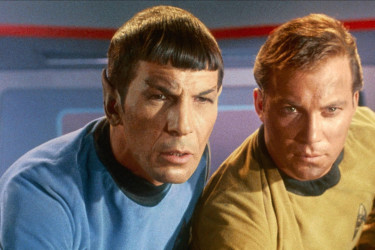
Star Trek’s Cold War
While America was fighting on the ground, the Federation was fighting in space.
by
Tom Nichols
via
The Atlantic
on
December 26, 2024
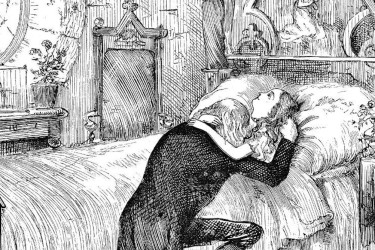
Infectious Diseases Killed Victorian Children at Alarming Rates. Novels Show the Fragility of Health
Between 40% and 50% of children didn’t live past 5 in the US during the 19th century. Authors documented the common but no less gutting grief of losing a child.
by
Andrea Kaston Tange
via
The Conversation
on
December 11, 2024
The Carpetbagger Who Saw Texas’s Future
The notion of political realignment in the Lone Star State is older than you think. It goes back to Giant, an acidic novel by Edna Ferber.
by
Chris Vognar
via
The Atlantic
on
December 9, 2024
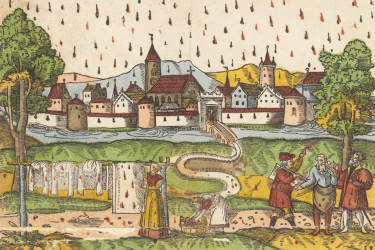
Strange Gods: Charles Fort’s Book of the Damned
Rains of blood and frogs, mysterious disappearances, objects in the sky: these were the anomalies that fascinated Charles Fort in his Book of the Damned.
by
Joshua Blu Buhs
via
The Public Domain Review
on
November 26, 2024
partner
Keep Her Body from Pain and Her Mind from Worry
A reading list tracing the history of the birth control movement through novels.
by
Stephanie Gorton
via
HNN
on
November 19, 2024
The Feminist Who Inspired the Witches of Oz
The story of suffragist Matilda Gage, the woman behind the curtain whose life story captivated her son-in-law L. Frank Baum as he wrote his classic novel.
by
Evan I. Schwartz
via
Smithsonian Magazine
on
November 18, 2024
Searching for the Elusive Man Who Inspired Uncle Tom’s Cabin
John Andrew Jackson spent a night at Harriet Beecher Stowe’s home as he fled north. Why do so few traces of his visit remain?
by
Scott W. Stern
via
The New Republic
on
October 24, 2024
American Horror Stories
It just might be the great American art form. You can thank the residents of Salem for that.
by
Laura J. Miller
via
Slate
on
October 19, 2024
Ralph Ellison’s Alchemical Camera
The novelist's aestheticizing impulse contrasts with the relentless seriousness of his observations and critiques of American society.
by
Jed Perl
via
New York Review of Books
on
October 17, 2024
The Woman Who Would Be Steinbeck
John Steinbeck beat Sanora Babb to the great American Dust Bowl novel—using her field notes. What do we owe her today?
by
Mark Athitakis
via
The Atlantic
on
October 10, 2024
How Historical Fiction Redefined the Literary Canon
In contemporary publishing, novels fixated on the past rather than the present have garnered the most attention and prestige.
by
Alexander Manshel
via
The Nation
on
September 11, 2024
partner
Books That Speak of Books
How a subgenre of murder mysteries plays with the way real history is written.
by
Emma Garman
via
HNN
on
September 10, 2024
partner
A Nice, Provocative Silence
The author of "Cahokia Jazz" reflects on the similarities between historical fiction and science fiction, and the imaginative space opened by archival silences.
by
Francis Spufford
,
Devin Thomas O’Shea
via
HNN
on
August 13, 2024
Who Killed the World?
Explore science fiction worlds from the last few decades – and what these fictional settings tell us about ourselves.
by
Alvin Chang
via
The Pudding
on
July 12, 2024
Kierkegaard on the Mississippi
Percival Everett refashions a Mark Twain classic.
by
Zain Khalid
via
Bookforum
on
July 2, 2024
From Infocom to 80 Days: An Oral History of Text Games and Interactive Fiction
MUDs, Usenet, and open source all play a part in 50 years of IF history.
by
Anna Washenko
via
Ars Technica
on
June 20, 2024
What Mark Zuckerberg Should Learn From 19th-Century Telegraph Operators
No, really.
by
Megan Ward
via
Slate
on
May 27, 2024
The Pittsburgh School
Part of what defines Pittsburgh literature is the transcendent in the prosaic, the sacred in the profane. An intimation of beauty amid a kingdom of ugliness.
by
Ed Simon
via
Belt Magazine
on
May 13, 2024
Jack London, "Martin Eden" and The Liberal Education in US life
In Jack London’s novel, Martin Eden personifies debates still raging over the role and purpose of education in American life.
by
Nick Romeo
via
Aeon
on
May 3, 2024
Immortalizing Words
Henry James, spiritualism, and the afterlife.
by
Ashley C. Barnes
via
The Hedgehog Review
on
April 30, 2024
partner
Tunnel Vision
When you dig beyond all purpose, digging becomes the purpose.
by
Daniel Lavery
via
HNN
on
March 26, 2024
View More
30 of
241
Filters
Filter Results:
Search for a term by which to filter:
Suggested Filters:
Idea
writing
literature
publishing
literary criticism
storytelling
reading
narrative
popular culture
authenticity
reputation
Person
Stan Lee
William Melvin Kelley
Jack Kirby
Laura Ingalls Wilder
Rose Wilder Lane
Herman Melville
Ursula K. Le Guin
Bass Reeves
Rona Jaffe
Orson Welles