Menu
Excerpts
Exhibits
Collections
Originals
Categories
Map
Search
Idea
Fourteenth Amendment
194
Filter by:
Date Published
Filter by published date
Published On or After:
Published On or Before:
Filter
Cancel
Viewing 91–120 of 194 results.
Go to first page
Company Men
The 200-year legal struggle that led to Citizens United and gave corporations the rights of people.
by
Kim Phillips-Fein
via
The New Republic
on
March 29, 2018
'Corporations Are People' Is Built on an Incredible 19th-Century Lie
How a farcical series of events in the 1880s produced an enduring and controversial legal precedent.
by
Adam Winkler
via
The Atlantic
on
March 5, 2018
original
Why Felon Disenfranchisement Doesn't Violate the Constitution
The justification can be found in an obscure section of the Fourteenth Amendment.
by
Sara Mayeux
on
December 21, 2017
A Vestige of Bigotry
The Supreme Court and non-unanimous juries.
by
Andrew Cohen
via
The Marshall Project
on
September 25, 2017
The Department of Justice Is Overseeing the Resegregation of American Schools
A major investigation reveals that white parents are leading a secession movement with dire consequences for black children.
by
Emmanuel Felton
via
The Nation
on
September 6, 2017
The Supreme Court’s Quiet Assault on Civil Rights
The Supreme Court is quietly gutting one of the United States’ most important civil rights statutes.
by
Lynn Adelman
via
Dissent
on
September 1, 2017
The Roots of Segregation
"The Color of Law" offers an indicting critique of the progressive agenda.
by
Carl Paulus
via
The American Conservative
on
May 5, 2017
The Religious-Liberty Attack on Transgender Rights
Conservative Christians are out to restore their historical legal privileges.
by
David Sehat
via
Boston Review
on
May 27, 2016
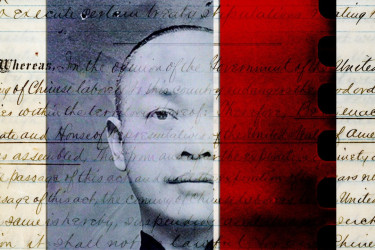
Donald Trump Meet Wong Kim Ark
He was the Chinese-American cook who became the father of ‘birthright citizenship.’
by
Fred Barbash
via
Washington Post
on
August 31, 2015
Which History in Obergefell v. Hodges?
The Supreme Court legalized same-sex marriage by framing it as a historical evolution of liberty, dignity, and equality under the Constitution.
by
Nancy F. Cott
via
Perspectives on History
on
July 1, 2015
To Have and to Hold
Griswold v. Connecticut became about privacy; what if it had been about equality?
by
Jill Lepore
via
The New Yorker
on
May 25, 2015
The Killing of Jimmie Lee Jackson
How a post-Civil War massacre impacted racial justice in America.
by
Debo Adegbile
via
The Marshall Project
on
February 27, 2015
Pursuing the Pursuit of Happiness
Traditional Supreme Court precedent may depend too much on substantive due process to safeguard human rights.
by
Laurence H. Tribe
via
New York Review of Books
on
September 24, 1998
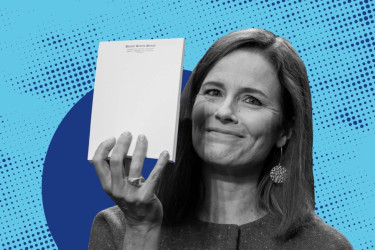
This Is the History of Anti-Trans Bigotry Amy Coney Barrett Doesn’t Want to Talk About
Barrett thinks transgender people have experienced “relatively little” discrimination. A brief filed in the trans sports cases aims to set the record straight.
by
Madiba K. Dennie
via
Balls And Strikes
on
January 12, 2026
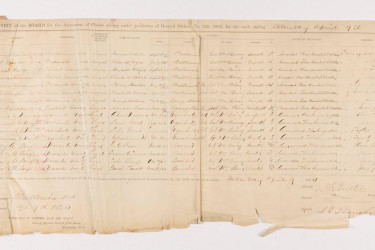
Compensated Emancipation in Maryland During the Civil War
How promises of compensation for Black enlistment helped push Maryland toward ending slavery.
by
Amanda Kleintop
via
Muster
on
December 4, 2025
Whose Independence?
The question of what Jefferson meant by “all men” has defined American law and politics for too long.
by
Annette Gordon-Reed
via
The Atlantic
on
October 9, 2025
Are You a ‘Heritage American’?
Why some on the right want to know if your ancestors were here during the Civil War.
by
Ali Breland
via
The Atlantic
on
October 7, 2025
partner
America’s Privacy Policy
Recent news coverage has called the Privacy Act of 1974 “Watergate-inspired,” but such framing misses the big picture.
by
Jillian Foley
via
HNN
on
September 30, 2025
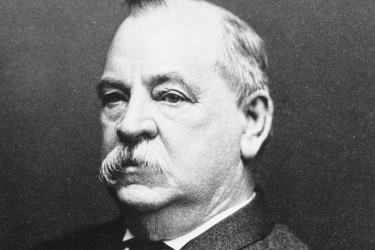
The Gilded Age Roots of American Austerity
Both Trump and Cleveland employed the rhetoric of worthiness and efficiency, anti-fraud and anti-corruption, as justifications for their austerity measures.
by
Dale Kretz
via
Jacobin
on
July 17, 2025
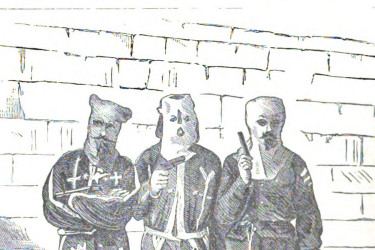
Masked Terror
ICE officers are wearing masks to conceal their identities. The Ku Klux Klan also employed masks to avoid prosecution for its acts of racial violence.
by
Sherrilyn Ifill
via
Sherrilyn's Newsletter
on
June 24, 2025
Surviving Bad Presidents
What the Constitution asks of us.
by
George Thomas
via
The Bulwark
on
May 16, 2025
How a Leading Black Historian Uncovered Her Own Family’s Painful Past
Martha S. Jones’ new memoir draws on genealogical research and memories shared by relatives.
by
Martha S. Jones
,
Sara Georgini
via
Smithsonian Magazine
on
March 5, 2025
History’s Lessons on Anti-Immigrant Extremism
Even Trump’s recent assertion that he would use executive action to abolish birthright citizenship has a historical link to the Chinese American experience.
by
Michael Luo
via
The New Yorker
on
January 5, 2025
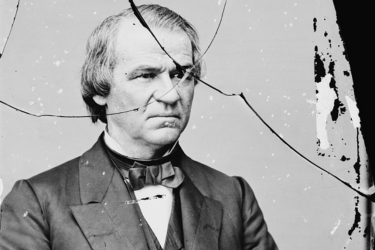
The Disastrous Pardons of a President
After the Civil War, Andrew Johnson issued the biggest act of presidential clemency in our history. It angered his party and led to his eventual impeachment.
by
Jeff Nilsson
via
The Saturday Evening Post
on
December 23, 2024
A Prudent First Amendment
Often, the proper scope of the First Amendment can be determined only by considering both text and context.
by
David Lewis Schaefer
via
Law & Liberty
on
November 7, 2024
partner
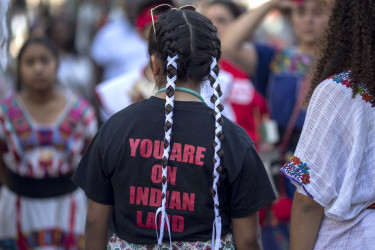
The Ambivalent History of Indigenous Citizenship
A century ago, when Congress passed the Indian Citizenship Act, key questions about Native sovereignty were left unresolved.
by
Daniel R. Mandell
via
Made By History
on
October 14, 2024
original
Matters of Life and Death
Systemic racism and capital punishment have long been intertwined in Virginia, the South, and the nation.
by
Janis Parker
on
July 10, 2024
‘The Dred Scott of Our Time’
The Supreme Court has invested the presidency with quasi-monarchial powers, repudiating the foundational principle of the rule of law.
by
Sean Wilentz
via
New York Review of Books
on
July 4, 2024
The People Who Dismantled Affirmative Action Have a New Strategy to Crush Racial Justice
In throwing up new roadblocks to the use of private money to redress racial and economic inequality, the Fearless Fund ruling is antihistorical.
by
David H. Gans
via
Slate
on
June 11, 2024
Conservatives Don’t Have a Monopoly on Originalism
The text and historical context of the Constitution provide liberals with ample opportunities to advance their own vision of America.
by
Simon Lazarus
via
The New Republic
on
March 29, 2024
View More
30 of
194
Filters
Filter Results:
Search for a term by which to filter:
Suggested Filters:
Idea
birthright citizenship
citizenship
U.S. Supreme Court
legal history
Reconstruction
U.S. Constitution
voting rights
Reconstruction Amendments
inclusion/exclusion
civil rights
Person
Donald Trump
Adam Winkler
John Roberts
Steve Luxenberg
John Marshall Harlan
Albion Tourgée
Wong Kim Ark
Roscoe Conkling