Menu
Excerpts
Exhibits
Collections
Originals
Categories
Map
Search
Idea
Indigenous people
150
Filter by:
Date Published
Filter by published date
Published On or After:
Published On or Before:
Filter
Cancel
Viewing 121–150 of 150 results.
Go to first page
The Search for America’s Atlantis
Did people first come to this continent by land or by sea?
by
Ross Andersen
via
The Atlantic
on
September 7, 2021
Monuments for the Interim Twenty-Four Thousand Years.
An account of the long-lasting effects of nuclear energy in the US.
by
Annie Simpson
via
Southern Cultures
on
August 23, 2021
Imagining Nova Scotia: The Limits of an Eighteenth-Century Imperial Fantasy
Colonial planners saw Nova Scotia as a blank space ripe for transformation.
by
Alexandra L. Montgomery
via
Journal of the History of Ideas Blog
on
July 12, 2021
Borders Don’t Stop Violence—They Create It
The “border” is not a line on the ground, but a tool that enables violence and surveillance.
by
Karl Jacoby
,
Monica Muñoz Martinez
via
Public Books
on
July 7, 2021
partner
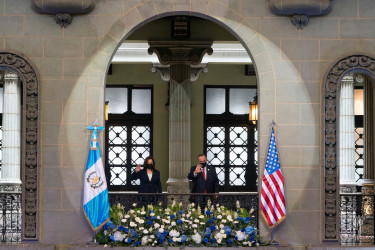
Past U.S. Policies Have Made Life Worse for Guatemalans
If the Biden administration wants to address migration, it must recognize U.S. complicity in Guatemala’s problems.
by
Catherine Nolan-Ferrell
via
Made By History
on
June 21, 2021
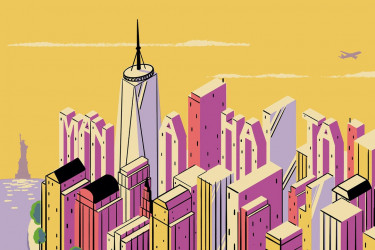
How New York Was Named
For centuries, settlers pushed Natives off the land. But they continued to use indigenous language to name, describe, and anoint the world around them.
by
Joshua Jelly-Schapiro
via
The New Yorker
on
April 13, 2021
Fascism and Analogies — British and American, Past and Present
The past has habitually been repurposed in a manner inhibiting ethical accountability in the present.
by
Priya Satia
via
Los Angeles Review of Books
on
March 16, 2021
The True History and Swashbuckling Myth Behind the Tampa Bay Buccaneers' Namesake
Pirates did roam the Gulf Coast, but more myths than facts have inspired the regional folklore.
by
Nora McGreevy
via
Smithsonian Magazine
on
February 4, 2021
Human History and the Hunger for Land
From Bronze Age farmers to New World colonialists, the stories of struggle to claim more ground have shaped where and how we live.
by
Francisco Cantú
via
The New Yorker
on
January 11, 2021
The Jesuits and Slavery
Despite extensive historiography, most people are not aware that the Society of Jesus owned people.
by
Adam Rothman
via
Journal Of Jesuit Studies
on
December 15, 2020
Middle Schoolers Take on Columbus
A lesson on contextualizing history.
by
Alex Pinelli
via
Perspectives on History
on
October 8, 2020
The Defender of Differences
Three new books consider the life, and impact, of Franz Boas, the "father of American cultural anthropology."
by
Kwame Anthony Appiah
via
New York Review of Books
on
May 14, 2020
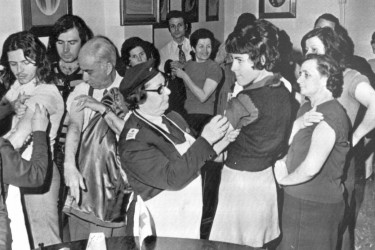
The History of Smallpox Shows Us Nationalism Can’t Beat a Pandemic
“America First” is a fairly useless strategy in the quest for a COVID-19 vaccine.
by
Charles Kenny
via
Slate
on
March 31, 2020
At the Very Beginning of the Great Alaska Earthquake
People’s stories described a sluggish process of discovery: you had to discover the earthquake, even though it had already been shaking you for what felt like a very long time.
by
Jon Mooallem
via
Literary Hub
on
March 24, 2020
Capitalism’s Favorite Drug
The dark history of how coffee took over the world.
by
Michael Pollan
via
The Atlantic
on
March 15, 2020
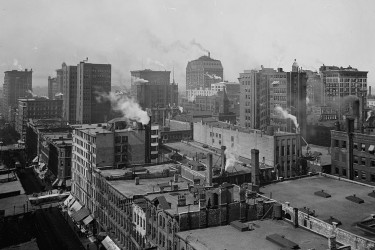
Reversing a River: How Chicago Flushed its Human Waste Downstream
In 1906, the U.S. Supreme Court allowed Chicago to move forward with a spectacularly disgusting feat of modern engineering.
by
Gregory D. Smithers
via
We're History
on
February 18, 2020
Slave Hounds and Abolition in the Americas
How dogs permeated slave societies and bolstered European ambitions for colonial expansion and social domination.
by
Tyler D. Parry
,
Charlton W. Yingling
via
Past & Present
on
February 4, 2020
The Little Ice Age Is a History of Resilience and Surprises
The world's last climate crisis demonstrates that surviving is possible if bold economic and social change is embraced.
by
Dagomar Degroot
via
Aeon
on
November 11, 2019
On One of the Great Unsung Heroes of the American Labor Movement
Emma Tenayuca and the San Antonio Pecan Shellers Strike of 1938.
by
Stephen Harrigan
via
Literary Hub
on
October 2, 2019
Goodbye to Good Earth
A Louisiana tribe’s long fight against the American tide.
by
Boyce Upholt
via
Oxford American
on
September 3, 2019
The Alamo Is a Rupture
It’s time to reckon with the true history of the mythologized Texas landmark—and the racism and imperialism it represents.
by
Raúl A. Ramos
via
Guernica
on
February 19, 2019
partner
Who Gets to Tell the Story?
Christine Blasey Ford, the Kavanaugh confirmation hearings, and battles over America's history.
by
Rachel Wheeler
via
Made By History
on
October 17, 2018
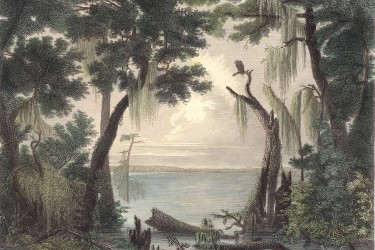
In the Dismal Swamp
Though Donald Trump has made it into a catchphrase, he didn’t come up with the metaphor “drain the swamp.”
by
Sam Worley
via
Popula
on
September 20, 2018
The River That Became a Warzone
The US-Mexico border wall is disrupting and destroying the lives of a united binational community.
by
Zeke Peña
via
The Nib
on
December 21, 2017
The History Behind the Movement to Replace Columbus Day
Though the first Indigenous Peoples’ Day was celebrated in the early 1990s, the idea took shape many years earlier.
by
Arica L. Coleman
via
TIME
on
October 6, 2017
How One College Succeeded at Grappling With a Racist Past
Comparing the methods of Oxford University in the U.K. with those of the University of Mississippi shows there’s much to learn.
by
Timothy W. Ryback
via
The Atlantic
on
September 19, 2017
The Land Divided, The World United
Building the Panama Canal.
via
Linda Hall Library
on
April 8, 2014
Talking Turkey
A conversation with food historian Andrew F. Smith on his new book, "The Turkey: An American Story."
by
Andrew F. Smith
,
Jeffery Kastner
via
Cabinet
on
November 1, 2006
Viewpoints on the China Trade
Even within itself, the China trade was a complex, multisided, many-splendored thing.
by
John Demos
via
Commonplace
on
January 1, 2005
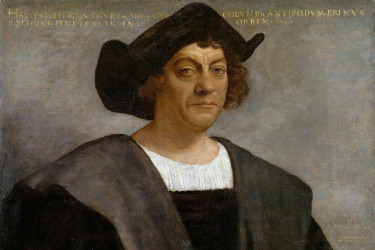
Man of the Year
A review of Columbus's impact on the political, economic, and religious effects within the Renaissance period of Europe and the beginning of global exploration.
by
Garry Wills
via
New York Review of Books
on
November 21, 1992
Filters
Filter Results:
Search for a term by which to filter:
Suggested Filters:
Idea
American Indians
colonialism
colonization
Native American resistance
Indian removal
anthropology
Spanish colonization
myth
Indigenous narrative
archaeology
Person
Adolf Hitler
Alfred Crosby