Menu
Excerpts
Exhibits
Collections
Originals
Categories
Map
Search
Idea
slavery
1436
Filter by:
Date Published
Filter by published date
Published On or After:
Published On or Before:
Filter
Cancel
Viewing 781–810 of 1436 results.
Go to first page
Unforgettable
W.E.B. Du Bois on the beauty of sorrow songs.
via
Lapham’s Quarterly
on
January 1, 1903
The Johnson Party
An 1866 essay presents Andrew Johnson as "the virtual leader of the Southern reactionary party."
by
E. P. Whipple
via
The Atlantic
on
September 1, 1866
The Story of Denmark Vesey
Against the backdrop of another conflict over slavery in 1861, Thomas Wentworth Higginson wrote an in-depth narrative of Denmark Vesey's planned slave revolt in Charleston, SC.
by
Thomas Wentworth Higginson
via
The Atlantic
on
June 1, 1861
The Election in November
The Atlantic’s editor endorsed Abraham Lincoln for presidency in the 1860 election, correctly predicting it would prove to be “a turning-point in our history.”
by
James Russell Lowell
via
The Atlantic
on
October 1, 1860
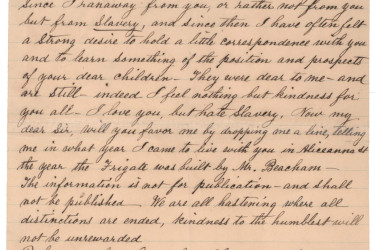
A Letter From Frederick Douglass to His Former Owner
A spotlight on a primary source.
by
Frederick Douglass
via
Gilder Lehrman Institute of American History
on
October 4, 1857
The Interesting Narrative of the Life of Olaudah Equiano
Olaudah Equiano, native of Africa, survivor of the Middle Passage and enslavement, tells his story.
by
Olaudah Equiano
via
The Internet Archive
on
March 24, 1789
Conservatives Want the Antebellum Constitution Back
The Fourteenth and Fifteenth Amendments are in trouble.
by
Adam Serwer
via
The Atlantic
on
December 21, 2025
Declaration of Independence’s Promises Ring Out Today as Loudly as They Did for 249 Years
Americans have looked to the Declaration of Independence when they sought to remedy contemporary problems and create new visions for the country’s future.
by
Graeme Mack
via
The Conversation
on
December 4, 2025
The Nation’s Guest
The Marquis de Lafayette’s final visit to the United States in 1825 can show us how to commemorate the Revolution.
by
Iris de Rode
via
Law & Liberty
on
November 25, 2025
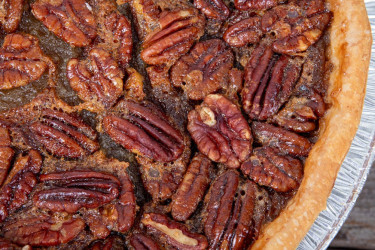
How Pecans Went From Ignored Trees to a Holiday Staple – The 8,000-year History
Pecans are a truly American nut: They grew on George Washington’s estate, and they flew to space on an Apollo mission.
by
Shelley Mitchell
via
The Conversation
on
November 18, 2025
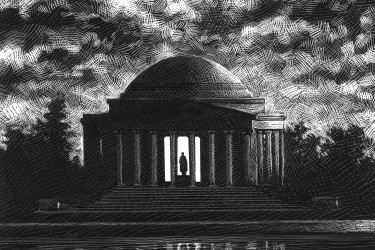
How Jefferson’s Words Were Doctored in his Memorial
A great-great-grandson pushed to portray Jefferson as an abolitionist, leaving a misleading impression about his actions on equality and slavery.
by
Michael Kranish
via
Washington Post
on
November 2, 2025
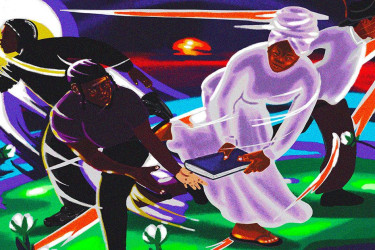
The Black People Who Fled Slavery Had a Lot to Teach Their Northern Allies
Black-led vigilance committees not only protected and aided fugitives but also learned from the formerly enslaved as they built a movement pedagogy together.
by
Jesse Olsavsky
via
Hammer & Hope
on
October 31, 2025
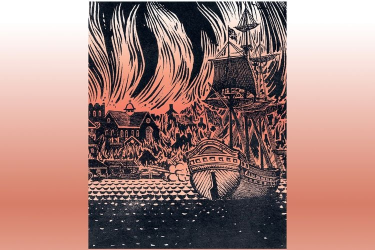
In January 1776, Norfolk Was Set Ablaze, Galvanizing the Revolution. But Who Really Lit the Match?
Blaming the British for the destruction helped persuade some colonists to back the fight for independence. But the source of the inferno was not what it seemed.
by
Andrew Lawler
via
Smithsonian Magazine
on
October 26, 2025
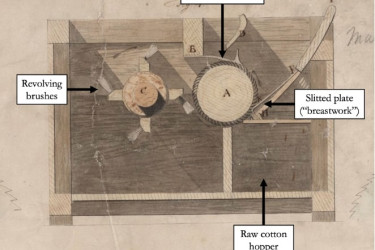
How Eli Whitney Single-handedly Started the Civil War . . . and Why That’s Not True
The real Whitney story is less grand than the legend, but more interesting and, ultimately, more edifying.
by
Ariel Ron
via
Commonplace
on
October 14, 2025
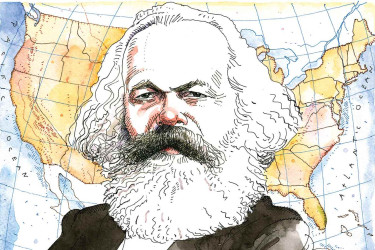
The Triumphs and Travails of American Marxism
Karl Marx never visited the United States, but he and his ideas left an imprint nonetheless.
by
Robin Blackburn
via
The Nation
on
October 13, 2025
What the Founders Would Say Now
They might be surprised that the republic exists at all.
by
Fintan O’Toole
via
The Atlantic
on
October 10, 2025
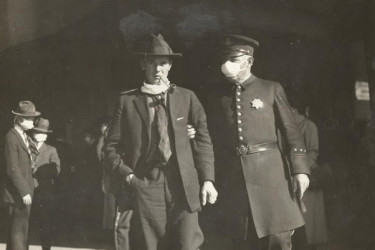
The Mask
How the history of the anti-mask and anti-vaccination movements hang together.
by
Thomas Schlich
,
Bruno J. Strasser
via
Active History
on
October 10, 2025
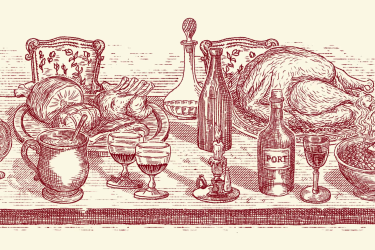
So Much Madeira
What the Founding Fathers ate—and drank—on July 4, 1777.
by
Victoria Flexner
via
The Atlantic
on
October 9, 2025
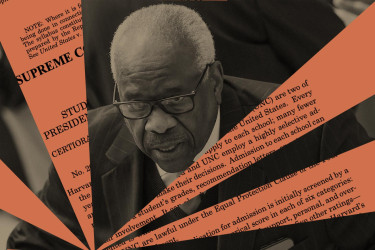
Clarence Thomas Accidentally Laid the Groundwork for Reviving Affirmative Action
In trying to shut the door on race-conscious affirmative action, he may have quietly left another affirmative action door wide open.
by
Maureen Edobor
,
Brandon Hogan
via
Slate
on
October 7, 2025
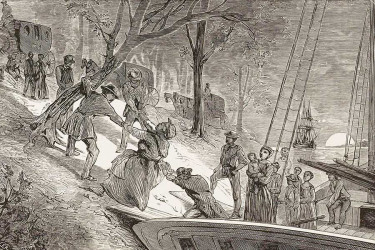
The Underground Railroad’s Stealth Sailors
The web of Atlantic trading routes and solidarity among maritime workers meant a fugitive's chances of reaching freedom below deck were better than over land.
by
Eric Foner
via
New York Review of Books
on
October 2, 2025
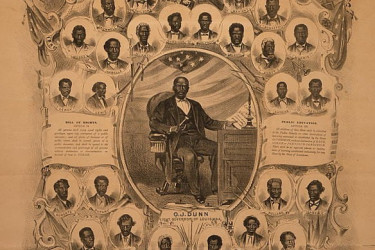
The Long Struggle for Equality in the American South: Louisiana as a Test Case
Louisiana’s 1845 and 1852 conventions reveal partisan tensions over the economy that shaped Black struggles and opportunities for decades.
by
Lacy K. Ford
via
The Panorama
on
September 23, 2025
Only Power Matters
How Samuel Francis wrote the recipe for MAGA.
by
Matt McManus
via
Commonweal
on
September 22, 2025
partner
Grenada: When the Cold War Got Spicy
The 1983 invasion of Grenada raised questions about the legitimacy of American reactions to a communist presence on the island.
by
Rob Crossan
via
JSTOR Daily
on
September 19, 2025
Indian Names
A personal exploration through Indigenous history and the importance of names.
by
Julian Brave NoiseCat
via
The Paris Review
on
September 17, 2025
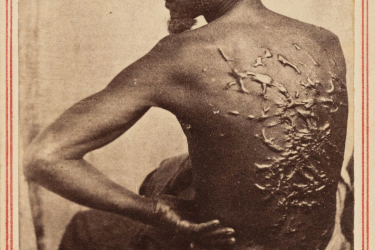
National Park to Remove Photo of Enslaved Man’s Scars
The Trump administration is ordering the removal of information on slavery at multiple national parks in an effort to scrub them of “corrosive ideology.”
by
Hannah Natanson
,
Jake Spring
via
Washington Post
on
September 15, 2025
Gun Culture Then and Now
Firearm ownership meant something very different when the United States was founded.
by
Brian DeLay
via
Vital City
on
September 10, 2025
The One-Legged Founding Father Who Escaped the French Revolution
Gouverneur Morris wrote the preamble to the Constitution. Later in life, he rejected the foundational document as a failure.
by
Zachary Clary
via
Smithsonian Magazine
on
September 2, 2025
The Prudent Patriot
There’s a lot more to Founding Father John Dickinson than not signing the Declaration of Independence.
by
Dennis Drabelle
via
The Pennsylvania Gazette
on
August 22, 2025
Riding to Freedom: On the Importance of the Horse in Escaping Slavery
“Horses were a part of the daily fabric of life for many enslaved Black people.”
by
Bitter Kalli
via
Literary Hub
on
August 19, 2025
partner
Dates: Civilization’s Sweetest Indulgence
Offshoots from the “Tree of Life” traveled from Mesopotamia to the Levant to the United States, beguiling everyone with their toothsome confections.
by
Jacob Jones
via
JSTOR Daily
on
August 13, 2025
View More
30 of
1436
Filters
Filter Results:
Search for a term by which to filter:
Suggested Filters:
Idea
abolitionism
slaveholders
legacy of slavery
emancipation
historical memory
American Civil War
slave trade (transatlantic)
white supremacy
freedom
racism
Person
Thomas Jefferson
Abraham Lincoln
Robert E. Lee
Frederick Douglass
Sally Hemings
John C. Calhoun
James Madison
George Washington
Andrew Jackson
James Marion Sims