Menu
Excerpts
Exhibits
Collections
Originals
Categories
Map
Search
Category
Justice
On the struggles to achieve and maintain it.
Load More
Viewing 1,951–1,980 of 2,052
Black History Is American History
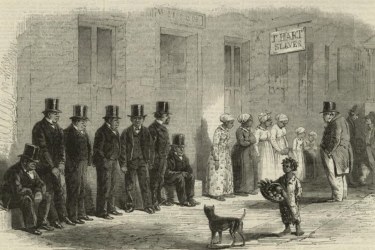
What is the greatest libertarian accomplishment of all time? The abolition of slavery.
by
David Boaz
via
Cato Institute
on
February 11, 2015
A Rare Interview with Malcolm X
On the religion, segregation, the civil rights movement, violence, and hypocrisy.
by
Eleanor Fischer
,
Stephen Nessen
via
WNYC
on
February 4, 2015
Edward Abbey’s FBI File
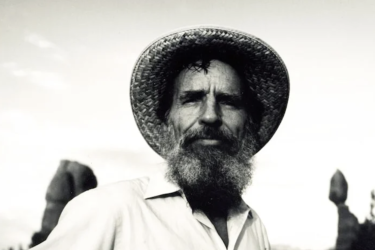
"If the times have changed, Abbey’s ideas about freedom have in some ways never been more relevant."
by
David Gessner
via
Orion Magazine
on
January 5, 2015
partner
The North’s Shameful Refusal to Face Its Own Tangled Racial Past
What we should learn from Senator Abraham Ribicoff’s failed attempt.
by
Jason Sokol
via
HNN
on
January 5, 2015
John Brown: The First American to Hang for Treason
The militant abolitionist's execution set a precedent for armed resistance against the federal government with implications for those who had condemned him.
by
Heather Cox Richardson
via
We're History
on
December 2, 2014
The Awakening of Thurgood Marshall
The case he didn’t expect to lose. And why it mattered that he did.
by
Gilbert King
via
The Marshall Project
on
November 20, 2014
No Twang of Conscience Whatever
Patsy Sims reflects on her interview with the man who was instrumental in the death of three black men in Mississippi.
by
Patsy Simms
via
Oxford American
on
November 6, 2014
The Worst Industrial Disaster in the History of the World
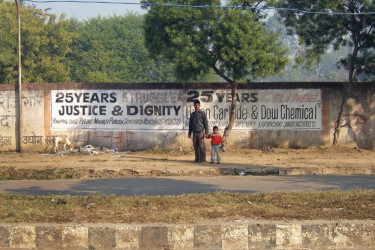
For the people of Old Bhopal, an accident there had sent forty metric tons of methyl isocyanate into a runaway reaction that released a toxic gas.
by
Siddhartha Deb
via
The Baffler
on
October 28, 2014
The Struggle in Black and White: Activist Photographers Who Fought for Civil Rights
None of these iconic photographs would exist without the brave photographers documenting the civil rights movement.
by
Hunter Oatman-Stanford
via
Collectors Weekly
on
October 7, 2014
Who Was W.E.B. Du Bois?
A review of "Lines of Descent: W.E.B. Du Bois and the Emergence of Identity," by Kwame Anthony Appiah.
by
Nicholas Lemann
via
New York Review of Books
on
September 24, 2014
The Civil Rights Act of 1964: A Long Struggle for Freedom
A Library of Congress exhibit on the context, passage, and significance of the Civil Rights Act of 1964.
via
Library of Congress
on
September 10, 2014
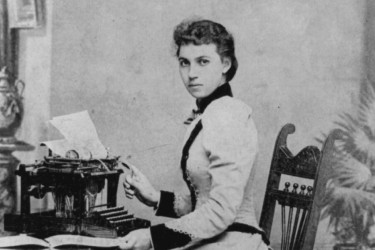
How to Pitch a Magazine (in 1888)
Eleanor Kirk's guide offered a way to break into the boys’ club of publishing.
by
Paul Collins
via
The New Yorker
on
September 4, 2014
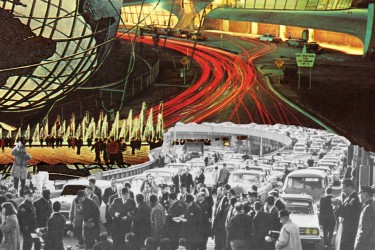
Present Tense, Future Perfect: Protest and Progress at the 1964 World's Fair
The stall-in threatened to interrupt a certain imaginary of progress, democracy, and freedom with the reality of racial injustice.
by
Erin Pineda
via
The Appendix
on
September 2, 2014
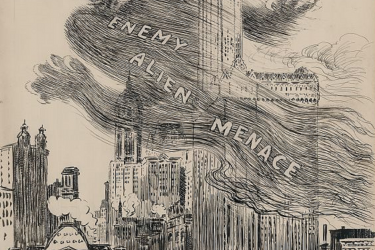
The U.S. Confiscated Half a Billion Dollars in Private Property During WWI
America's home front was the site of internment, deportation, and vast property seizure.
by
Daniel A. Gross
via
Smithsonian Magazine
on
July 28, 2014
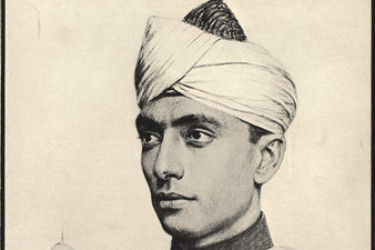
How Turbans Helped Some Blacks Go Incognito In The Jim Crow Era
At the time, ideas of race in America were quite literally black and white. But a few meters of cloth changed the way some people of color were treated.
by
Tanvi Misra
via
NPR
on
July 19, 2014
The Case for Female Astronauts: Reproducing Americans in the Final Frontier
Imagining a future that separates women from their biological identity seems so “drastic” as to be unimaginable—in 1962 and today.
by
Lisa Ruth Rand
via
The Appendix
on
July 15, 2014
The Thirteenth Amendment and a Reparations Program
The amendment, which brought an end to slavery in the U.S., could be used to begin a national debate on reparations.
by
Ramsin Canon
via
U.S. Intellectual History Blog
on
July 12, 2014
partner
"What to the Slave is the Fourth of July?"
Frederick Douglass’ 1852 speech is widely known as one of the greatest abolitionist speeches ever.
via
BackStory
on
July 7, 2014
Unearthing The Surprising Religious History Of American Gay Rights Activism
Years before Stonewall, many clergy members were standing on the front lines for gay rights.
by
Jaweed Kaleem
via
HuffPost
on
June 28, 2014
The Case for Reparations
Until we reckon with our compounding moral debts, America will never be whole.
by
Ta-Nehisi Coates
via
The Atlantic
on
June 23, 2014
partner
The Birth of Corporate Personhood
How a legal footnote in a Santa Clara County railroad case and the judges who built on it created modern models of corporate personhood.
via
BackStory
on
June 20, 2014
‘Brown v. Board of Education’ Didn’t End Segregation, Big Government Did
Sixty years after the decision, it’s worth remembering it took Congress's Civil Rights Act to finally smash Jim Crow.
by
Ian Millhiser
via
The Nation
on
May 14, 2014
Felon Disfranchisement Preserves Slavery's Legacy
Nearly six million Americans are prohibited from voting in the United States today due to felony convictions.
by
Pippa Holloway
via
OUPblog
on
April 28, 2014
How LBJ Saved the Civil Rights Act
Fifty years later, new accounts of its fraught passage reveal the era's real hero—and it isn’t the Supreme Court.
by
Michael O'Donnell
via
The Atlantic
on
March 19, 2014
Modern Segregation
Policies of de jure racial segregation and a history of state-sponsored violence continue to have an impact on African Americans.
by
Richard Rothstein
via
Economic Policy Institute
on
March 6, 2014
The Massive Liberal Failure on Race, Part III
The Civil Rights movement ignored one very important, very difficult question. It’s time to answer it.
by
Tanner Colby
via
Slate
on
February 27, 2014
Gerry Studds: The Pioneer Gay Congressman Almost Nobody Remembers
His story of coming out was so shrouded in scandal, so drenched in professional embarrassment, that its broader significance may forever be overshadowed.
by
Jennifer Bendery
,
Sam Stein
via
HuffPost
on
February 20, 2014
The Massive Liberal Failure on Race, Part II
Affirmative action doesn't work. It never did. It's time for a new solution.
by
Tanner Colby
via
Slate
on
February 10, 2014
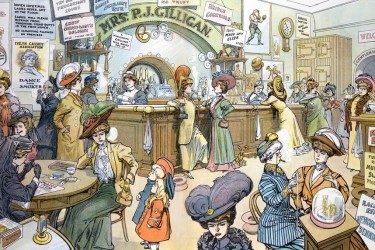
Smoking, Women’s Rights, and a Really Great Fake Bar
The lady smoking caper of 1908.
by
Livius Drusus
via
The Appendix
on
February 7, 2014
The Massive Liberal Failure on Race, Part I
How the liberal embrace of busing hurt the cause of integration.
by
Tanner Colby
via
Slate
on
February 3, 2014
Previous
Page
66
of 69
Next