Menu
Excerpts
Exhibits
Collections
Originals
Categories
Map
Search
Category
Power
On persuasion, coercion, and the state.
Load More
Viewing 2,221–2,250 of 2,287
The Missing Right: A Constitutional Right to Vote
In the era of the voting wars, the right to vote is itself a subject of continued partisan, regional, and racial conflict.
by
Jonathan Soros
,
Mark Schmitt
via
Democracy Journal
on
May 1, 2013
The Fate of Earth Day
What has gone wrong with the modern environmental movement and its political organizing.
by
Nicholas Lemann
via
The New Yorker
on
April 8, 2013
partner
Four More Years: Presidential Inaugurations
An hour of stories about a few high-stakes inaugurations from the past.
via
BackStory
on
January 11, 2013
Franklin Roosevelt: The Father of Gun Control
One of the great pieces of unfinished business for the Democratic Party.
by
Adam Winkler
via
The New Republic
on
December 19, 2012
partner
How Much Is Too Much?
The dramatic story of the abolitionist mail crisis of 1835.
via
BackStory
on
December 7, 2012
Tales of Brave Ulysses
Ulysses S. Grant was overlooked by historians and underestimated by contemporaries. H.W. Brands reevaluates Grant’s presidency.
by
H. W. Brands
via
Lapham’s Quarterly
on
October 1, 2012
Founding Fathers, Founding Villains
A review of a handful of new books that embody the new liberal originalism.
by
William Hogeland
via
Boston Review
on
September 1, 2012
Who Would Win in a Presidential Knife Fight to the Death?
Do successful presidents make sound knife-wielders?
by
Geoff Micks
via
The Writings of Geoff Micks
on
August 22, 2012
The Founders’ Muddled Legacy on the Right to Bear Arms Is Killing Us
A case of 18th-century politicking has stymied our ability to deal with a 21st-century crisis.
by
William Hogeland
via
AlterNet
on
August 14, 2012
Died on the 4th of July
Fisher Ames’s philosophy can be summed up as follows: the “power of the people, if uncontroverted, is licentious and mobbish.”
by
Stephen B. Tippins
via
The American Conservative
on
July 3, 2012
Unpopular Mandate
Why do politicians reverse their positions?
by
Ezra Klein
via
The New Yorker
on
June 25, 2012
All That Remains of Henry Clay
Political funerals and the tour of Henry Clay's corpse.
by
Sarah J. Purcell
via
Commonplace
on
April 2, 2012
The Day L.B.J. Took Charge
Lyndon Johnson and the events in Dallas.
by
Robert A. Caro
via
The New Yorker
on
March 26, 2012
Re-mapping American Politics
The redistricting revolution, fifty years later.
by
David Stebenne
via
Origins
on
February 5, 2012
A Topic Best Avoided
After the Civil War, Abraham Lincoln faced the issue of sorting out a nation divided over the issue of freed slaves. But what were his views on it?
by
Nicholas Guyatt
via
London Review of Books
on
December 1, 2011
Birthright
What's next for Planned Parenthood?
by
Jill Lepore
via
The New Yorker
on
November 14, 2011
The Secret History of Guns
What gun regulations meant to the founders, and why the Black Panthers are the true pioneers of today's pro-gun movement.
by
Adam Winkler
via
The Atlantic
on
September 1, 2011
A Yacht, A Mustache: How A President Hid His Tumor
Grover Cleveland believed that if anything happened to his mustache during his surgery at sea, the public would know something was wrong.
by
Matthew Algeo
via
NPR
on
July 6, 2011
partner
Beyond Numbers: A History of the U.S. Census
To mark the culmination of Census 2010, we explore the fascinating story of how Americans have counted themselves.
via
BackStory
on
December 22, 2010
Atlas of the Transatlantic Slave Trade
Nine maps of the transatlantic slave trade between 1500 and 1900.
by
David Eltis
,
David Richardson
via
The Trans-Atlantic Slave Trade Database
on
November 18, 2010
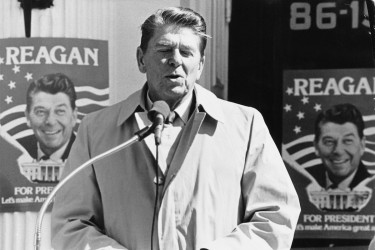
The Reagan Democrat Delusion
Whenever Democrats lose votes, pundits crow that they've lost the working class. Not so, though they have alienated unions.
by
Michael Paarlberg
via
The Guardian
on
November 16, 2010
When Blue-Collar Pride Became Identity Politics
Remembering how the white working class got left out of the New Left, and why we're all paying for it today.
by
Jefferson Cowie
,
Joan Walsh
via
Salon
on
September 6, 2010
The Empty Chamber
For many reasons, senators don’t have the time, or the inclination, to get to know one another—least of all members of the other party.
by
George Packer
via
The New Yorker
on
August 2, 2010
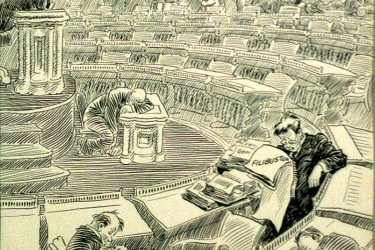
The History of the Filibuster
In testimony before a committee of the U.S. Senate, Sarah Binder counters a number of conventionally held notions about the filibuster.
by
Sarah Binder
via
Brookings
on
April 22, 2010
partner
The Health of a Nation
Political scientist Jacob Hacker explains how we wound up with a healthcare system so different from the European model, and why lobbyists hold so much sway.
via
BackStory
on
October 1, 2009
“Young Men for War”: The Wide Awakes and Lincoln’s 1860 Presidential Campaign
Wearing shiny black capes and practicing infantry drills had nothing to do with preparing for civil war.
by
Jon Grinspan
via
Journal of American History
on
September 1, 2009
Lower the Voting Age!
Why 16 year-olds can help us heal our broken political system.
by
Marco Roth
via
n+1
on
November 1, 2008
Banging on the Door: The Election of 1872
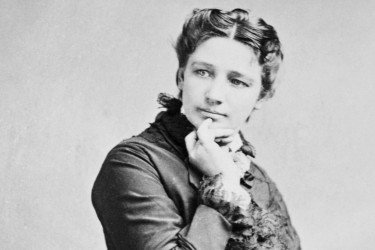
In the 1872 election, Victoria Woodhull ran for president of the United States – the first woman in American history to do so.
by
Joe Richman
,
Samara Freemark
via
Radio Diaries
on
October 13, 2008
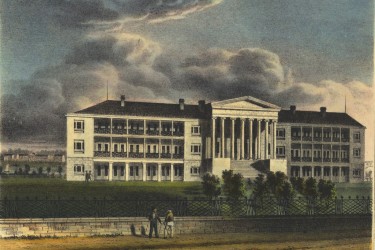
Sailors’ Health and National Wealth
That the federal government created this health care system for merchant mariners in the early American republic will surprise many.
by
Gautham Rao
via
Commonplace
on
October 1, 2008
Was Andrew Jackson Really the People's Choice in 1824?
In 1828, Jackson's campaign argued that an 1824 victory was stolen from him. Is it really so clear-cut?
by
Donald J. Radcliffe
via
Commonplace
on
October 1, 2008
Previous
Page
75
of 77
Next