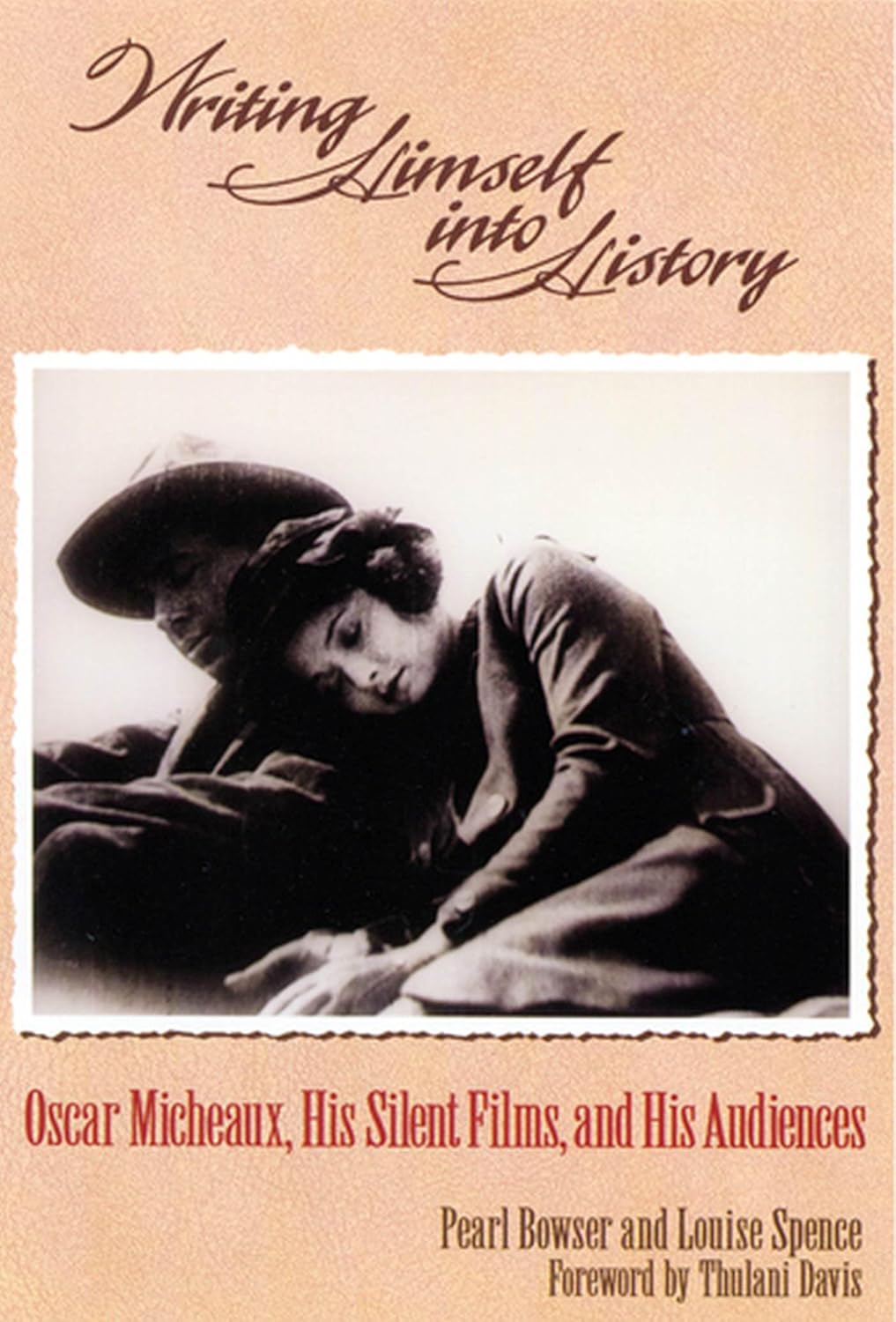
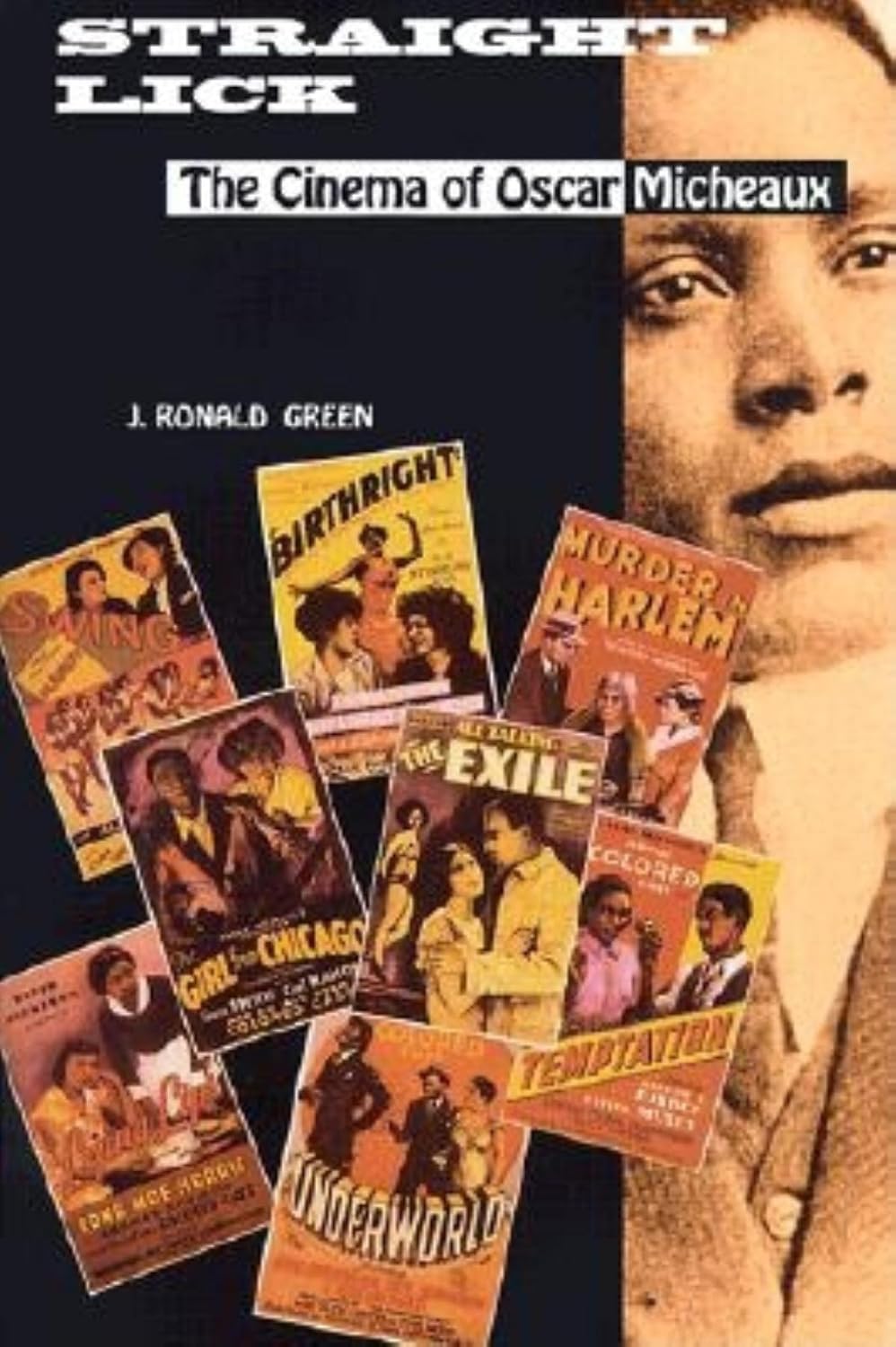
In casting lighter-complexioned actors as his middle-class leads, Micheaux has often been accused of reproducing a colour caste system. But, as Bowser and Spence demonstrate, this racial schema isn’t absolute. ‘In several of his films – The Symbol of the Unconquered, The House behind the Cedars and God’s Stepchildren, for example – we would argue that Micheaux is not reproducing “colour prejudice” but rebuking it.’ The authors further suggest that Micheaux’s use of minstrel-show stereotypes was an attempt to show the pernicious effects of ‘misplaced values and low self-worth’.
Green, too, believes that Micheaux turned these negative images to his own didactic ends ‘to mount a complex, nuanced, extended critique of racist stereotyping’. He also argues that Micheaux, whose dogged allegiance to the genteel values of a black middle class never flagged, even as it grew increasingly otherworldly, has himself been victimised by the anti-bourgeois prejudices of his detractors (and even some of his champions). Indeed, he suggests that Micheaux’s low-budget movies demonstrated, in effect, the possibility of a middle-class means of production. In defence of Micheaux’s blunt fault-finding, both books stress that his films were made for and seen almost exclusively by black audiences in secure, self-segregated social spaces. From this perspective, contemporary critics misread the effect that Micheaux’s movies had on his original audience and confuse his brand of ‘tough love’ with self-hatred. But Micheaux’s racial attitudes are only one reason why his movies are so problematic.
Alain Robbe-Grillet wrote of Last Year in Marienbad that
either the spectator will try to reconstitute some ‘Cartesian’ schema – the most linear, the most rational he can devise – and this spectator will certainly find the film difficult, if not incomprehensible; or else the spectator will let himself be carried along by the extraordinary images in front of him, by the actors’ voices, by the soundtrack, by the music, by the rhythm of the cutting, by the passion of the characters.
But Robbe-Grillet’s movie is as straightforward as a Mary Pickford two-reeler in comparison with the early Micheaux talkie Ten Minutes to Live (1932). Micheaux is not simply D.W. Griffith’s racial or political antithesis; his films abandon Griffithian narrative conventions. Within Our Gates is almost impossible to follow: ‘any explanation is pointless,’ one inter-title usefully remarks. Micheaux introduces new characters and complications almost until the end of the movie. The subplots never come together, in part because the film-maker employs a reverse chronology with flashbacks that don’t refer to the original story. (The combination of lurid racial melodrama and avant-garde narrative complexity can only be described as Faulknerian.)