‘It’s easy not to be a Nazi when no Hitler is around,’ Hans-Jürgen Syberberg commented in his filmed interview with the aged, unashamed Führer-familiar Winifred Wagner in 1975. Eighty years after Hitler came to power in Germany, is it possible to imagine the world when the Third Reich was new? Before September 1939 and even after the Second World War began, the West was full of enablers and apologists. Hitler’s American admirers included Henry Ford, William Randolph Hearst and Charles Lindbergh. General Motors, DuPont and IBM did business with the Nazis. So did MGM. It’s no shock to see democratic politicians cosying up to Saudi autocrats, or Rupert Murdoch or the Walt Disney Company ingratiating themselves with China’s authoritarian rulers. Business is business. But it is disconcerting if not appalling to learn that throughout the 1930s, some major Hollywood studios, despite being heavily populated by Jews and popularly identified with them, continued to distribute their movies in Germany and even pandered to the Nazi regime.
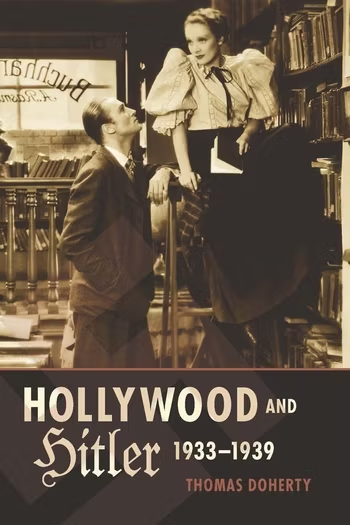
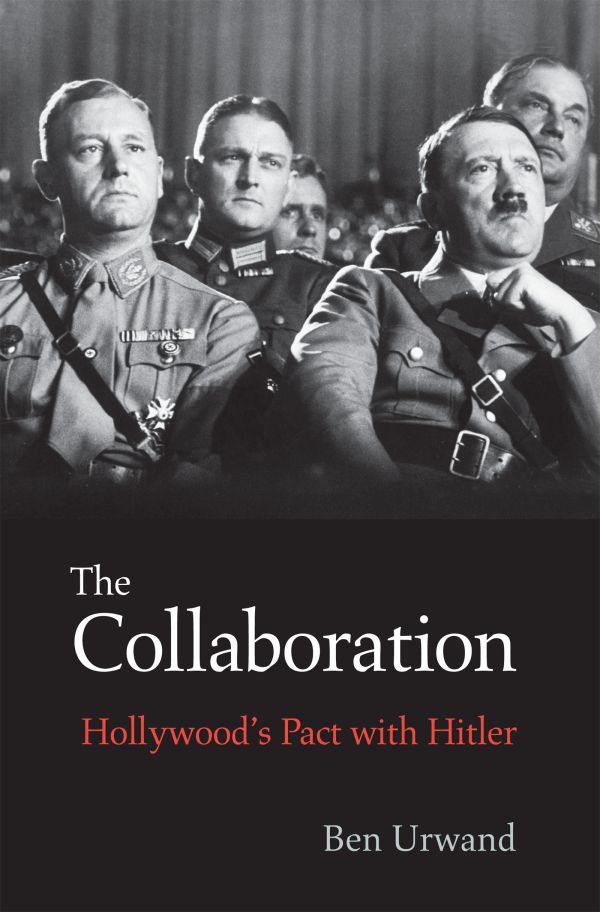
Thomas Doherty’s Hollywood and Hitler and Ben Urwand’s The Collaboration cover much the same ground while emphasising different aspects of the Hollywood-Hitler connection. Doherty sees the moguls who founded and ran most of the large movie studios as only one part of Hollywood and is sensitive to the pressures both on and within the industry (his previous books include a study of the Hollywood censor Joseph Breen). He concludes, with some generosity, that when it came to dealing with the Nazis, Hollywood was ‘no worse than the rest of American culture in its failure of nerve and imagination, and often a good deal better in the exercise of both’. Urwand has dug deep in the German archives and found evidence that the Nazis’ business dealings with some of the studios were much closer than previously realised. He also draws attention to the flagrant lobbying of the Nazi emissary to Hollywood, the former Olympic athlete Georg Gyssling. Urwand, the Australian-born grandson of Hungarian Holocaust survivors, is far less interested than Doherty in the American cultural climate of the 1930s and far more accusatory. The implication seems to be that this group of culturally insecure Jewish showmen, presumably backed by anti-Nazi communists and other prescient Americans, could and should have taken the lead in combating Hitler’s ‘reign of terror’. In this, The Collaboration has a faint echo of Daniel Jonah Goldhagen’s Hitler’s Willing Executioners: Ordinary Germans and the Holocaust, except that Urwand’s villains are Hitler’s willing Jewish dupes, or perhaps even self-hating quislings. Where Hollywood and Hitler discusses the ways that Nazi Germany was represented (or not) in American newsreels and independent films, as well as the fate of German movies in the US, The Collaboration is more narrowly focused. ‘Hollywood’ in Urwand’s book ultimately refers to the management of three major studios, MGM, Paramount and 20th Century-Fox.