Filter by:

Filter by published date

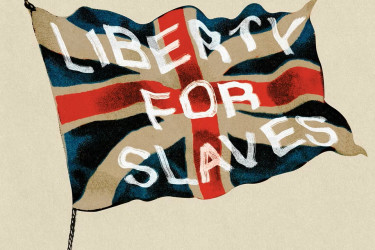
British flag with writing that says, "Liberty for Slaves."

The Black Loyalists

Thousands of African Americans fought for the British—then fled the United States to avoid a return to enslavement.
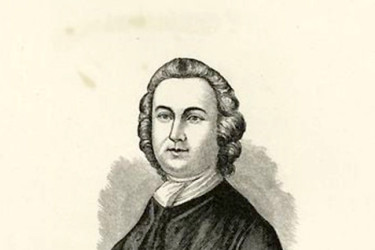
Dr. John Kearsley, Jr.

The Loyalist Who Gave Birth to His Nightmare

Thomas Paine nearly died quarantined off in Philadelphia in 1774. Then a Loyalist doctor nursed him back to health.
Title page of a collection of the letters that debated Great Britain, inscribed to President John Adams.

Massachusettensis and Novanglus: The Last Great Debate Prior to the American Revolution

James M. Smith explains the last debates between Loyalists and Patriots prior to the official outbreak of the American Revolution.

A Loyalist and His Newspaper in Revolutionary New York

The story of James Rivington, the publisher who got on the wrong side of the Sons of Liberty.
American and French soldiers at the siege of Yorktown, by Jean-Baptiste-Antoine DeVerger, 1781.

Patriot Acts

What Ken Burns gets wrong about the war that made America.
Ken Burns and Sarah Botstein

“A Story We Think We Know”: Ken Burns on The American Revolution

Burns and co-director Sarah Botstein discuss their six-part, 10-year labor of love, which finally makes it to PBS on November 16.
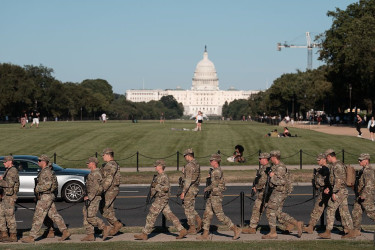
National Guard soldiers patrolling in front of the White House.
partner

History Shows the Perils of Troops Policing American Cities

Sending Redcoats to American cities worked in the short term. But over time, it alienated even the colonists most loyal to the British.
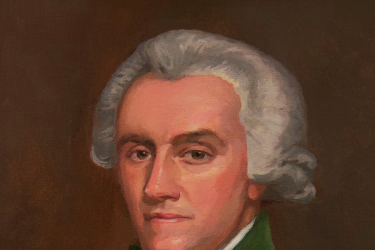
William Franklin

Why Did Benjamin Franklin’s Son Remain Loyal to the British?

One of the most influential and ardent Patriots couldn’t persuade his son to join the Revolution.
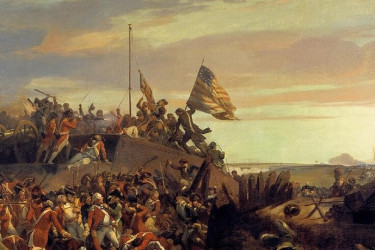
Storming of Redoubt 10 during the Siege of Yorktown, 1840 painting by Eugène-Louis Lami.

Painting the Revolution: The Artists Who Joined the Fight For American Independence

Art, politics, and revolution intertwined as transatlantic Patriots used wax, paint, and wit to shape the fight for American independence.
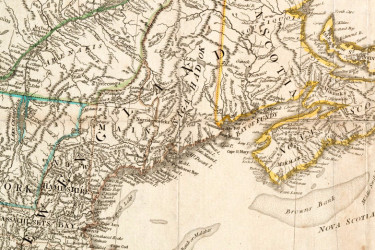
Map of New England and Nova Scotia

The Case of New Ireland—Not Meant to Be

During the American Revolution, some individuals took advantage of the upheaval to advocate for a new colony: New Ireland.
Detail from "the Book of Negroes," listing Arthur Bowler and his family, 1783.

Eight Clues

Recovering a life in fragments, Arthur Bowler in slavery and freedom.
Jacob Duché delivers the first prayer in the Continental Congress, 1774.

The Traitor Chaplain Who Gave Government Prayer to America — A 4th of July Corrective

When drafting the Constitution, our founders had no need of prayer.
Great Smoky Mountains, North Carolina.

"If America Doesn't Become America": Outlander and the American Revolution

"Outlander" challenges the myth of American exceptionalism at the root of much U.S. popular culture.
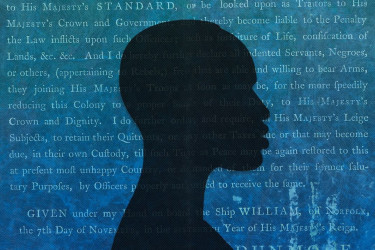
Silhouette of a Black man's head, against a background of Lord Dunmore's proclamation.

Enslaved by George Washington, This Man Escaped to Freedom—and Joined the British Army

Harry Washington fought for his enslaver's enemy during the American Revolution. Later, he migrated to Nova Scotia and Sierra Leone.
David Grim's map showing the damage that New York City suffered from two large fires.

David Grim’s Fairy Tale: The New York City Fire In Myth

We may never know with absolute certainty that the Great Fire was an accident, but Grim certainly made it harder for anyone to argue otherwise.
Left: cover of "The New Yorkers," a book by Sam Roberts, featuring a collage of black and white photographs of different people. Right: 1884 illustration of British soldiers in long coats fighting with New York men
partner

Isaac Sears and the Roots of America in New York

Like so many other reluctant revolutionaries in New York, he seemed the antithesis of the rabble in arms that the British identified with the mobocracy.
The cover of "Religion and the American Revolution: An Imperial History."

An “Imperial Bridge” Between Britain and the North American Colonies

How British protestantism connected colonies and empire until the rupture of the American Revolution.
A cracked picture of Washington crossing the Delaware River.

The Incoherence of American History

We ascribe too much meaning to the early years of the republic.
1747 map of Nova Scotia

Phraseology and the "Fourteenth Colony"

There have been at least eight provinces in British North America labeled the "fourteenth colony." They cannot all claim the same title.
Map of Nova Scotia

Imagining Nova Scotia: The Limits of an Eighteenth-Century Imperial Fantasy

Colonial planners saw Nova Scotia as a blank space ripe for transformation.
A cartoon of Boston colonists in a cage.

How Did the Colonies Unite?

The drive for American independence coalesced in only a few years of rapidly accelerating political change.
Two drawings, one of a woman on the left and one of a man on the right

Minorcans, New Smyrna, and the American Revolution in East Florida

The little-known story of the laborers who became pawns in a Floridian struggle during the American Revolution.

The Patriot Slave

The dangerous myth that blacks in bondage chose not to be free in revolutionary America.

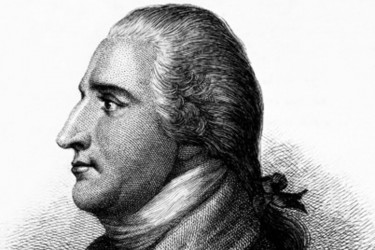
Turncoat: Benedict Arnold and the Crisis of American Liberty

A review of Stephen Brumwell's most recent book.
A group of patriots tarring and feathering loyalist John Malcolm and force-feeding him tea.

Your Revolution Was Dumb and it Filled Us With Refugees

A Canadian take on America's Revolutionary War.

The American Revolution Revisited

A nation divided, even at birth.
A Continental soldier in the Revolutionary War holding a tattered American flag and standing on chains.

We Could Have Been Canada

Was the American Revolution such a good idea?

The Accidental Patriots

Many Americans could have gone either way during the Revolution.
Benjamin West's replica of his painting "Reception of the American Loyalists by Great Britain in the Year 1783."
partner

The Loyal Opposition

On the Loyalists who fled during the Revolutionary War – like Jacob Bailey, who saw freedom from tyranny with the British in Nova Scotia.
Illustration of J. Hector St. John de Crèvecoeur writing.

The American Beginning

The dark side of Crèvecoeur's "Letters from an American Farmer."

Filter Results:

Suggested Filters:

Idea

Person