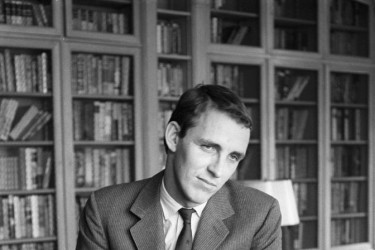
Seymour Hersh

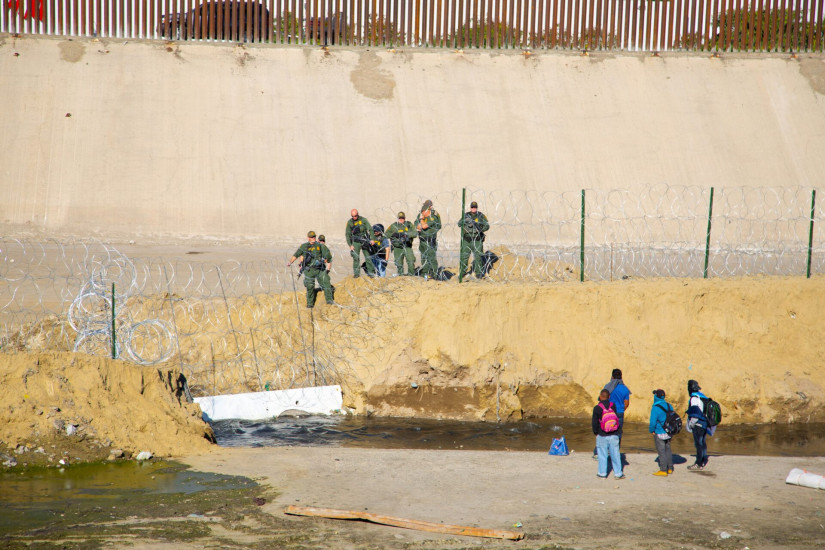
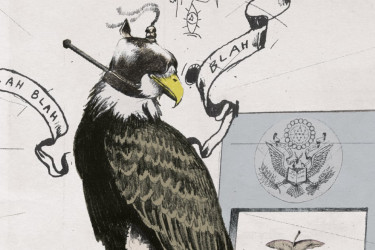
"Cover-Up" Follows Seymour Hersh’s Life Uncovering Secrets

The documentary depicts the kind of maverick journalism we desperately need in our authoritarian times.
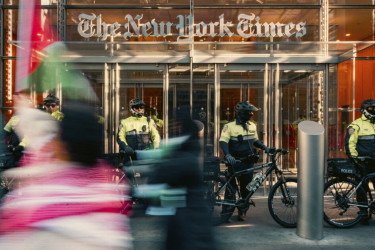
Police outside of the New York Times building.

The Genocides The New York Times Forgot

The paper’s Gaza coverage continues its pattern of downplaying US-backed atrocities in Bangladesh, East Timor, and Guatemala.
Photo of Norman Podhoretz

The Longest Journey Is Over

With the death of Norman Podhoretz at 95, the transition from New York’s intellectual golden age to the age of grievance and provocation is complete.
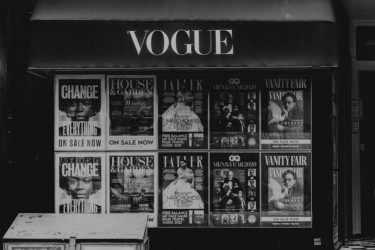
Vogue Magazine stand.

The Ghosts of Media Past

Whatever happened to journalism?
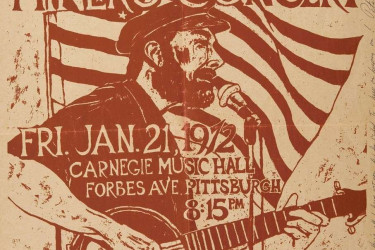
A flyer for a Pete Seeger concert in Pittsburgh.

Pete Seeger in Pittsburgh Town

In April 1962, Pete Seeger was abruptly banned from performing a scheduled set for children in Pittsburgh. The surrounding debate says a lot about the city.
Collection of mass market paperbacks

Stories for the Masses

The Mass Market paperback format is ending with a whimper.
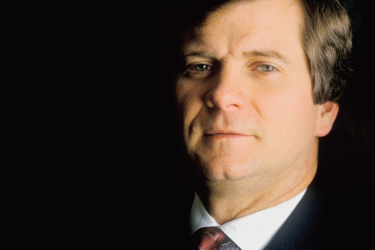
Lee Atwater

Southern Strategies

You're misreading Lee Atwater’s infamous “southern strategy” quote as a confession.
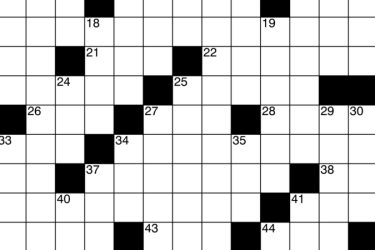
A blank crossword puzzle

How Crossword Puzzles Underwrote Three of America’s Major Publishers

The origin stories of Simon & Schuster, Random House, and Farrar, Sraus and Giroux.
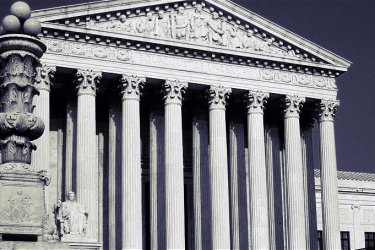
U.S. Supreme Court

On the Sweeping Supreme Court Decision That Led to Widespread High School Censorship

A look at the long history of censorship in public school yearbooks.
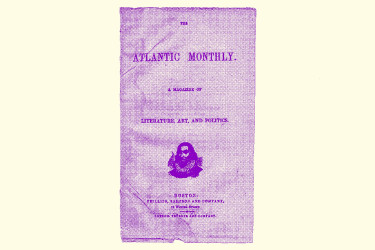
Atlantic Monthly title page from the 1850s.

Doomscrolling in the 1850s

"The Atlantic" was born in an era of information overload.
Peter Matthiessen.

What Really Happened with the CIA and The Paris Review?

What led Peter Matthiessen from spying to starting a magazine?
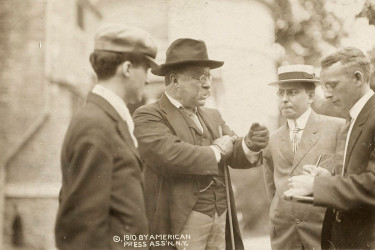
Theodore Roosevelt speaking with three reporters.
partner

The President and the Press Corps

Theodore Roosevelt was the first White House occupant to seek control over how newspapers covered him.
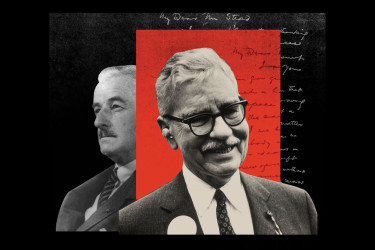
William Faulkner, Malcolm Cowley, and a manuscript letter.

The Man Who Rescued Faulkner

How the critic Malcolm Cowley made American literature into its own great tradition.

We Used to Read Things in This Country

Technology changes us—and it is currently changing us for the worse.
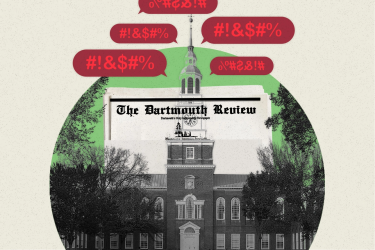
A collage of censored obscenities and the front page of the Dartmouth Review.

Before Trump, and Before the Young Republicans, There Was the Dartmouth Review

Long before Trump, a group of Dartmouth students weaponized outrage and satire to seize the spotlight.
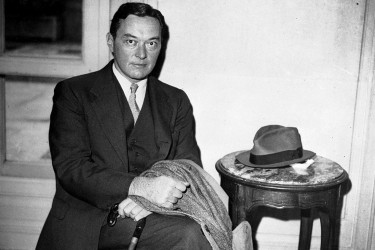
Walter Lippmann on the ocean liner Conte di Savoia.

Walter Lippmann’s Phantom Publics

Arguably no American journalist wielded as much influence as Walter Lippmann did in the 20th century. But what did he do with that power?
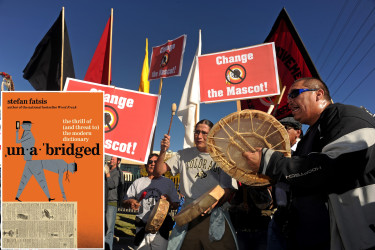
Native American activists protesting the former mascot and name of the Washington Commanders.

The Annotated History of a Slur

Digging through dictionary archives to uncover the slowly changing meaning of “redskin.”
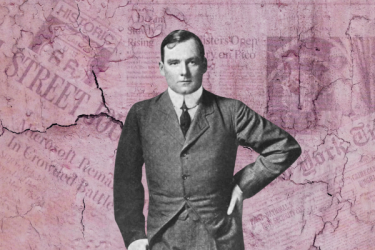
Richard Harding Davis.

How America’s First Star War Reporter Set the Tone For a Century of Journalism

Unpacking the sensationalist, and occasionally biased, work of Richard Harding Davis.
Sen. Joseph Lieberman watches videos with David Walsh, on the effects of video games on children.
partner

Video Games Have Long Been a Convenient Scapegoat

Blaming video games for violence saves Americans from having to grapple with deeper, harder to solve societal problems.
Portrait of Patrick henry wearing a red robe.

No One Gave a Speech Like Patrick Henry

Henry’s fiery oratory turned words into revolution, merging faith, emotion, and democracy to help speak a nation into being.
Toni Morrison

To Free Someone Else

A recent book on Toni Morrison's career in publishing makes the case that the great American novelist should also be seen as a pathbreaking editor.
A phone recording a video of a politician giving a speech.

It’s the Internet, Stupid

What caused the global populist wave? Blame the screens.
A young man reading a printed newspaper.
partner

The Enduring Value of Student Newspapers

More than curiosities, college papers are unique pedagogical tools that help undergraduates achieve media literacy.
Illustration of Time Berners-Lee peering from behind browser windows.

Tim Berners-Lee Invented the World Wide Web. Now He Wants to Save It

In 1989, Sir Tim revolutionized the online world. Today, in the era of misinformation, addictive algorithms, and monopolies, he thinks he can do it again.
Robert Barnwell Rhett; Richmond burning in April 1865.

Beware Today’s ‘Fire-Eaters’

There are echoes in our political rhetoric of the men who helped talk the United States into civil war.
Photograph of Jean Muir

Before There Was Jimmy Kimmel, There Was Jean Muir

The "Red Scare" echo in the Kimmel suspension.
The Israeli flag covering the word "antisemitism."

How “Antisemitism” Became a Weapon of the Right

At a time when allegations of antisemitism are rampant and often incoherent, historian Mark Mazower offers a helpfully lucid history of the term.
A working class white family with ten children.
partner

Defining “White Trash”

The term “white trash” once was used to disparage poor white people. In the Civil Rights era, its meaning shifted to support business-friendly racial politics.
"Coyote Survives the Night," diptych of coyote crucified and carving wood by Ed Archie NoiseCat.

Indian Names

A personal exploration through Indigenous history and the importance of names.
Books lined up.

How Translations Sell: Three U.S. Eras of International Bestsellers

A translation renaissance in US publishing just ended. And you probably missed it.