Filter by:

Filter by published date

Viewing 271–300 of 697 results. Go to first page
Shades of green.
partner

Green Sprigs of Courage

How the mythologizing of the Union Army’s Irish Brigade helped dispel anti-Irish sentiment.
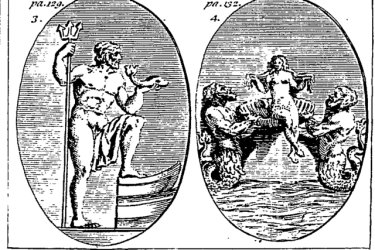
A guide to classical learning- or, Polymetis abridged Fleuron
partner

The Practical Humanities

Caroline Winterer tells Peter about a debate over practicality and purpose in higher education after the Civil War, and how the humanities offered a solution.
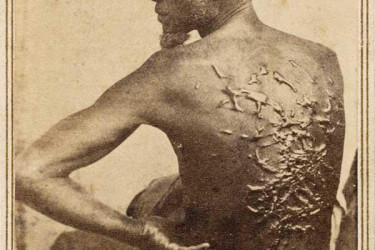
Raised scars on the back of a formerly enslaved man.

“A Typical Negro”

Gordon, Peter, Vincent Colyer, and the story behind slavery's most famous photograph.
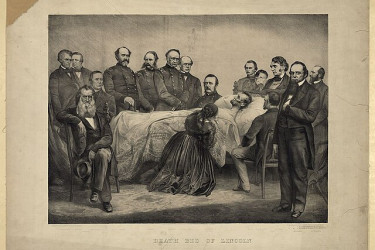
Death Bed of Lincoln
partner

This Republic of Suffering

The enormous scale of death in the Civil War, and how it altered the American way of dying.
Exhibit

Civil War Memory

Historical understandings and myths about the Civil War's causes, meanings, and legacies still shape American culture and national discourse about the country's future.

The house of Alfred Iverson Jr. behind a white curtain.

My Civil War

A southerner discovers the inaccuracy of the the myths he grew up with, and slowly comes to terms with his connection to the Civil War.

150 Years of Misunderstanding the Civil War

As the 150th of the Battle of Gettysburg approaches, it's time to question the popular account of a war that tore apart the nation.
Gen. Lew Wallace, circa 1861.

The Incredible Life of Lew Wallace, Civil War General and Author of Ben-Hur

The incredible story of how a disgraced Civil War general became one of the best-selling novelists in American history.

War and Prosthetics: How Veterans Fought for the Perfect Artificial Limb

The needs and entrepreneurship of wounded soldiers have driven many of the most significant advances in prosthetic technology.

Lincoln and Marx

The transatlantic convergence of two revolutionaries.
partner

How Suffering Shaped Emancipation

Jim Downs discusses the plight of freed slaves during the Civil War and Reconstruction.

A Topic Best Avoided

After the Civil War, Abraham Lincoln faced the issue of sorting out a nation divided over the issue of freed slaves. But what were his views on it?

Thanks a Lot, Ken Burns

Because of you, my Civil War lecture is always packed with students raised on your romantic, deeply misleading portrait of the conflict.
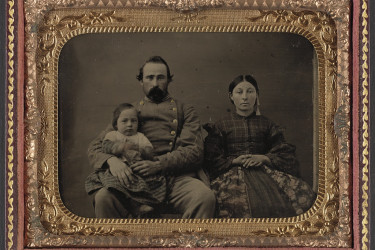
Confederate soldier with wife and baby.
partner

Fighting for Home

How the idea of “home” motivated Confederate soldiers, and strengthened their resolve to fight.
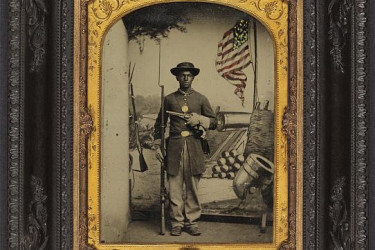
African American soldier
partner

Fighting for Liberation

The important moral and tactical contributions of African-American soldiers in the Union Army.

How Poverty Was, and Was Not, Pictured Before the Civil War

Images were important in defining the Republic between the Revolution and the Civil War and they distinctively both did and did not show Americans in need.

Making Sense of Robert E. Lee

“It is well that war is so terrible, or we should grow too fond of it.”— Robert E. Lee, at Fredericksburg
Circus Sideshow, by Georges Seurat, 1887–88.

Unforgettable

W.E.B. Du Bois on the beauty of sorrow songs.
Political cartoon of Freedman's Bureau agent separating angry whites from defensive freedmen.

The Freedmen's Bureau

“No sooner had Northern armies touched Southern soil than this old question, newly guised, sprang from the earth: What shall be done with slaves?”

The Johnson Party

An 1866 essay presents Andrew Johnson as "the virtual leader of the Southern reactionary party."
Ken Burns

What’s Wrong with The American Revolution by Ken Burns 

Ken Burns’s latest PBS series is long on muskets and bayonets, but the history of the American Revolution remains strangely understated.
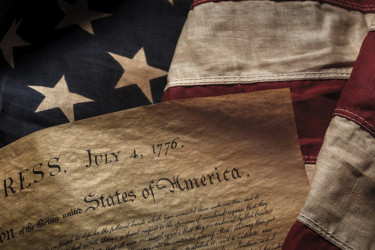
Declaration of Independence and American flag.

Declaration of Independence’s Promises Ring Out Today as Loudly as They Did for 249 Years

Americans have looked to the Declaration of Independence when they sought to remedy contemporary problems and create new visions for the country’s future.
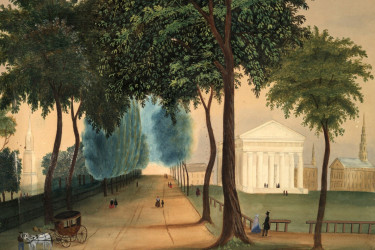
Drawing of Yale University, from likely the 17th century.

Reckoning With Yale’s Ties to Slavery

An institutional history of the “peculiar institution.”
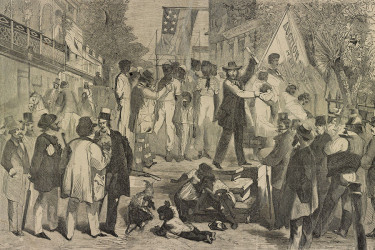
'A slave auction at the South' by Theodore R. Davis, from Harper’s Weekly, July 1861

Speculation in Human Property

The survival of slave trading during the Civil War suggests that enslaved people remained valuable commodities in a time of economic upheaval.
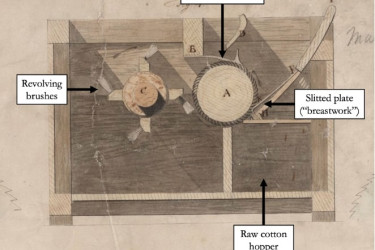
Diagram of a cotton gin

How Eli Whitney Single-handedly Started the Civil War . . . and Why That’s Not True

The real Whitney story is less grand than the legend, but more interesting and, ultimately, more edifying.
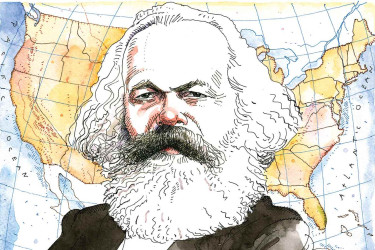
Illustration of Karl Marx in front of map of the United States.

The Triumphs and Travails of American Marxism

Karl Marx never visited the United States, but he and his ideas left an imprint nonetheless.
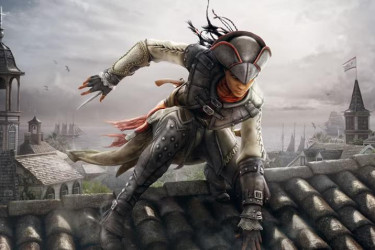
A screenshot of Aveline, the Black protagonist of Assasin's Creed: Liberation.

The Canceled Civil War Assassin's Creed Game Was a Powder Keg Waiting to Explode

Ubisoft was reportedly working on a game set after the Civil War era, but canceled it due to politics and protagonist backlash.
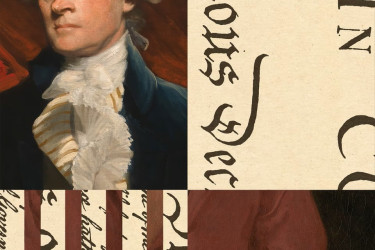
Collage illustration of a founder, Declaration of Independence, and the body of an enslaved person whose arms are in chains.

Whose Independence?

The question of what Jefferson meant by “all men” has defined American law and politics for too long.
Black and white icons of people gathered into the shape of the US.

Are You a ‘Heritage American’?

Why some on the right want to know if your ancestors were here during the Civil War.
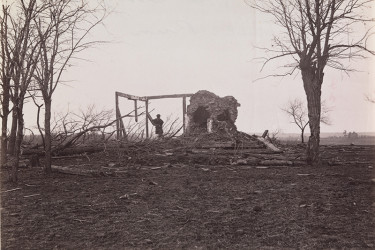
Ruins of Mrs. Henry’s House, Battlefield of Bull Run.
partner

Reactionary Revolutionaries

In the mid-19th century, governments on both sides of the U.S.-Mexico border set out to recast North America’s political landscape.
Robert Barnwell Rhett; Richmond burning in April 1865.

Beware Today’s ‘Fire-Eaters’

There are echoes in our political rhetoric of the men who helped talk the United States into civil war.

Filter Results:

Suggested Filters:

Idea

Person