Menu
Excerpts
Exhibits
Collections
Originals
Categories
Map
Search
Person
Martin Luther King Jr.
View on Map
Related Excerpts
Load More
Viewing 121–140 of 431
The Shot That Echoes Still
James Baldwin's dispatch from MLK's funeral foreshadowed an America we may never escape.
by
James Baldwin
,
Michael Eric Dyson
via
Esquire
on
April 4, 1972
The Selma March
On the trail to Montgomery.
by
Renata Adler
via
The New Yorker
on
April 10, 1965
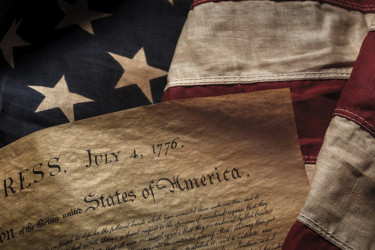
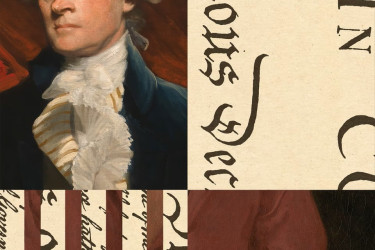
Declaration of Independence’s Promises Ring Out Today as Loudly as They Did for 249 Years
Americans have looked to the Declaration of Independence when they sought to remedy contemporary problems and create new visions for the country’s future.
by
Graeme Mack
via
The Conversation
on
December 4, 2025
How Police Harassed and Infiltrated Civil Rights Groups
Efforts to surveil and undermine activists went far beyond infamous operations such as Cointelpro.
by
Piper French
via
The New Republic
on
December 1, 2025
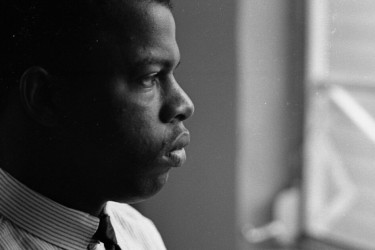
You Must Do Something
Tracing John Lewis’s lifelong fight for democracy and inclusion.
by
Randall Kennedy
via
London Review of Books
on
October 17, 2025
What the Founders Would Say Now
They might be surprised that the republic exists at all.
by
Fintan O’Toole
via
The Atlantic
on
October 10, 2025
Whose Independence?
The question of what Jefferson meant by “all men” has defined American law and politics for too long.
by
Annette Gordon-Reed
via
The Atlantic
on
October 9, 2025
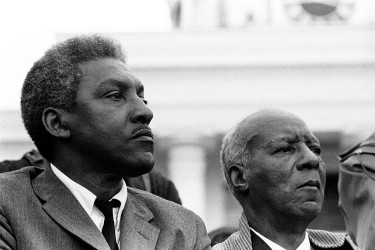
How Mamdani’s Predecessors Built Democratic Socialism
A. Philip Randolph and Bayard Rustin’s Freedom Budget is the key to understanding the appeal of the Democratic nominee for NYC mayor.
by
Harold Meyerson
via
The American Prospect
on
October 2, 2025
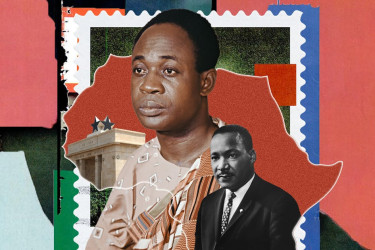
What Pan-Africanism Can Teach Us Now
A biography of Ghanaian leader Kwame Nkrumah casts the post-WWII era as a Black liberation epic rather than a psychodrama between Moscow and Washington.
by
Lovia Gyarkye
via
The New Republic
on
September 25, 2025
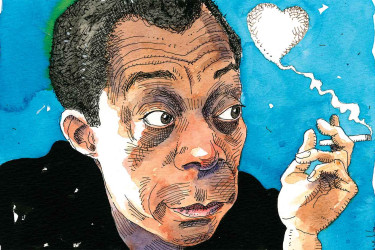
James Baldwin’s Radical Politics of Love
The radical lives of James Baldwin.
by
Elias Rodriques
via
The Nation
on
September 9, 2025
Pretty Garrotte: Why We Need Dorothy Parker
While she always insisted that she wasn’t a ‘real’ critic, Dorothy Parker is more astute than most on matters of style.
by
Kasia Boddy
via
London Review of Books
on
September 3, 2025
Conservatism’s Baton Twirler
A Republican administration that wages war against immigrants and colleges should be understood as the culmination of William F. Buckley conservative movement.
by
Osita Nwanevu
via
New York Review of Books
on
September 2, 2025
What We Miss When We Talk About the Racial Wealth Gap
Six decades of civil-rights efforts haven’t budged the racial wealth gap, and the usual prescriptions—including reparations—offer no lasting solutions.
by
Idrees Kahloon
via
The New Yorker
on
July 28, 2025
Alien Enemies
The torturers have been revising, the gestapos have been busy, and the prisons have been full for generations.
by
Brandon Shimoda
via
The Baffler
on
July 9, 2025
The Classical Liberal Foundation of Civil Rights
The progress we have seen toward civil rights for all Americans is inseparable from the history of classical liberalism.
by
David Lewis Schaefer
via
Law & Liberty
on
June 24, 2025
partner
The Lavender Scare and the History of LGBTQ Exclusion
The rollback of LGBTQ rights echoes a deeply consequential chapter of American history: the Lavender Scare.
by
Joel Zapata
via
Made By History
on
June 20, 2025
When the Military Comes to American Soil
Domestic deployments have generally been quite restrained. Can they still be?
by
Joshua Braver
via
The Atlantic
on
June 17, 2025
The History of Advice Columns Is a History of Eavesdropping and Judging
How an Ovid-quoting London broadsheet from the late seventeenth century spawned “Dear Abby,” Dan Savage, and Reddit’s Am I the Asshole.
by
Merve Emre
via
The New Yorker
on
June 16, 2025
What Made Malcolm X Dangerous
He challenged the violence of US power, abroad and at home. His radical internationalism, from Congo to Palestine, speaks to our moment.
by
Donté L. Stallworth
via
Jacobin
on
May 21, 2025
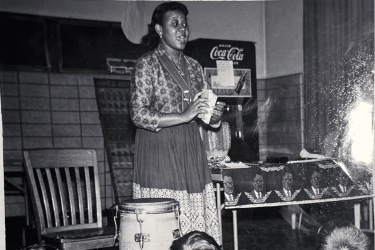
Ella Jenkins and Sonic Civil Rights Pedagogy
She translated Black freedom movements' ideals into forms that children could enjoy and grasp, nurturing their political consciousness through music-making.
by
Gayle F. Wald
via
Black Perspectives
on
April 25, 2025
Previous
Page
7
of 22
Next