Filter by:

Filter by published date

Viewing 31–60 of 526 results. Go to first page

A “Malicious Fabrication” by a “Mendacious Scribbler for the ‘New York Times’”

The Times, as a “venomous Abolition Journal” could not be trusted to provide the truth for a white, slave-owning southerner.

Voices in Time: Epistolary Activism

An early nineteenth-century feminist fights back against a narrow view of woman’s place in society.

One of History's Foremost Anti-Slavery Organizers Is Often Left Out of Black History Month

The Reverend Dr. Henry Highland Garnet may be the most famous African American you never learned about.
partner

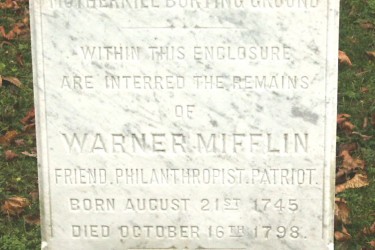
The Tireless Abolitionist Nobody Ever Heard of

He was a well-known figure in early America, but the name of Warner Mifflin has all but faded from the nation's memory.

The "Quaker Comet" Was the Greatest Abolitionist You've Never Heard Of

Overlooked by historians, Benjamin Lay was one of the nation's first radicals to argue for an end to slavery.

The Making of an Antislavery President

Fred Kaplan's new book asks why it took Abraham Lincoln so long to embrace emancipation.
Henry S. Club
partner

Meatless Moralism

Adam Shprintzen discusses the 19th-century Americans who saw a vegetarian diet as a powerful tool of moral reform, one that could even put an end to slavery.
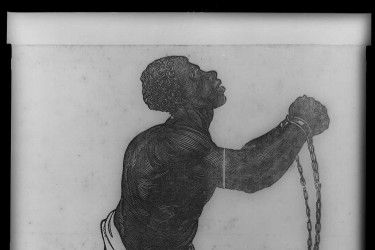
Image of enslaved man in chains, with the words "Remember Your Weekly Pledge"

Who Freed the Slaves?

For some time now, the answer has not been the abolitionists.
William Lloyd Garrison

What Gun Control Advocates Can Learn From Abolitionists

Slave ownership was once as entrenched in American life as gun ownership.
Abolitionist image of an enslaved man in chains and the words "Am I not a man and a brother?"

The Truth About Abolition

The movement finally gets the big, bold history it deserves.
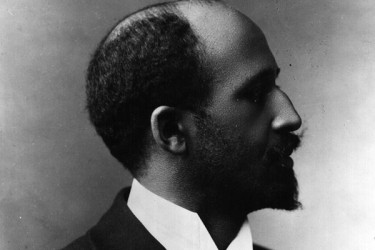
W.E.B. Du Bois

Struggle and Progress

On the abolitionists, Reconstruction, and winning “freedom” from the Right.
Frederick Douglass.
partner

"What to the Slave is the Fourth of July?"

Frederick Douglass’ 1852 speech is widely known as one of the greatest abolitionist speeches ever.
Illustration of a proslavery mob raiding a post office in Charleston, South Carolina, in 1835.
partner

How Much Is Too Much?

The dramatic story of the abolitionist mail crisis of 1835.
John Brown

Three Interviews With Old John Brown

Atlantic writer William Phillips conducted three interviews with Brown before Brown's fateful raid on Harper's Ferry.
Children eating Thanksgiving dinner in Harlem.

Make Thanksgiving Radical Again

The holiday’s real roots lie in abolition, liberation, and anti-racism. Let’s reconnect to that legacy.
Drawing of Yale University, from likely the 17th century.

Reckoning With Yale’s Ties to Slavery

An institutional history of the “peculiar institution.”
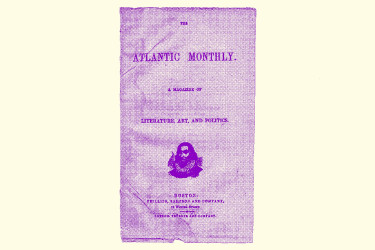
Atlantic Monthly title page from the 1850s.

Doomscrolling in the 1850s

"The Atlantic" was born in an era of information overload.
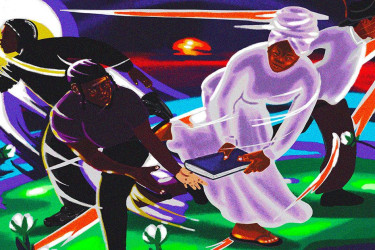
In a cotton field at night, a Black man scouts with a lantern, while a black woman passes a book to two fleeing men.

The Black People Who Fled Slavery Had a Lot to Teach Their Northern Allies

Black-led vigilance committees not only protected and aided fugitives but also learned from the formerly enslaved as they built a movement pedagogy together.
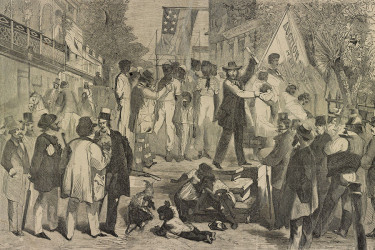
'A slave auction at the South' by Theodore R. Davis, from Harper’s Weekly, July 1861

Speculation in Human Property

The survival of slave trading during the Civil War suggests that enslaved people remained valuable commodities in a time of economic upheaval.
Abraham Lincoln.

Abraham Lincoln’s 1859 Lesson for Some 2028 Democrat

There are parallels between the John Brown raid and the murder of Charlie Kirk. But only one man seized the moment to start changing the course of history.
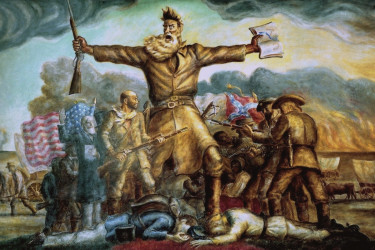
John Brown stands armed, positioned before Union and Confederate people fighting amid smoke and devastation.

Why Donald Trump Wants to Erase John Brown’s Fiery Abolitionist Legacy (and Why He Will Fail)

Reflections on Harper's Ferry amid a government shutdown.
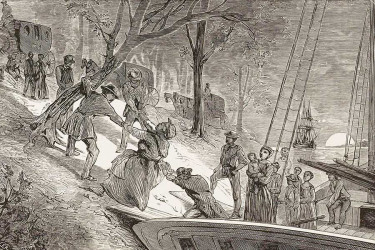
Fugitives from slavery disembarking from a boat to waiting coaches.

The Underground Railroad’s Stealth Sailors

The web of Atlantic trading routes and solidarity among maritime workers meant a fugitive's chances of reaching freedom below deck were better than over land.
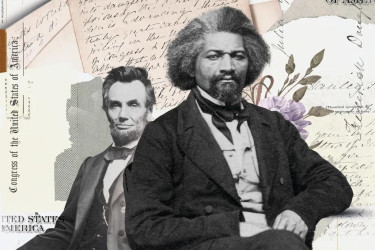
Frederick Douglass and Abraham Lincoln in front of a collage of letters.

When Historians Rediscovered These Frederick Douglass Letters, His Words on Lincoln Surprised Them

In correspondence with an abolitionist in London, the great American orator didn’t hold back when talking about Abraham Lincoln, or the maligned Andrew Johnson.
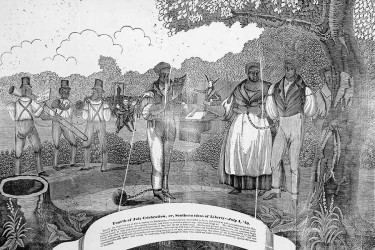
An abolitionist lithograph depicting enslaved people celebrating the Fourth of July while a white judge sits on bales of cotton with his feet on the Constitution, 1840

The Contradictory Revolution

Historians have long grappled with “the American Paradox” of Revolutionary leaders who fought for their own liberty while denying it to enslaved Black people.
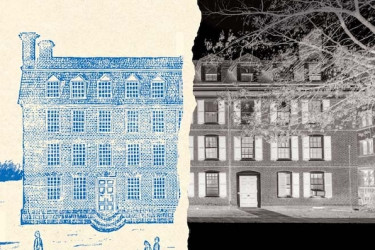
Buildings drawing and black and white negative, on the cover of "Yale and Slavery."

What Universities Owe

David Blight's report "Yale and Slavery" considers institutional accountability in the context of a world marked by systemic violence and inequality.
US National Guard troops block off Beale Street as Civil Rights marchers wearing placards reading, "I AM A MAN"

The Classical Liberal Foundation of Civil Rights

The progress we have seen toward civil rights for all Americans is inseparable from the history of classical liberalism.
A row of California National Guardsmen stand atop a top step in riot gear.

Trump’s Deportation Frenzy Echoes the Fugitive Slave Hunts of the 1850s

Trump's crackdown on immigrants bears alarming parallels to the fugitive slave obsessions of the pre-Civil War South.
Charles Sumner

What We Can Learn From the Senator Who Nearly Died for Democracy

The brutal caning of Sen. Charles Sumner in 1856 shows the difference between courage and concession.
A newspaper drawing of St. Louis from above.
partner

German Radicals vs. the Slave Power

In "Memoirs of a Nobody," Henry Boernstein chronicles the militant immigrant organizing that helped keep St. Louis out of the hands of the Confederacy.
Broadside about the Fugitive Slave law.
partner

The Fugitive Slave Act of 1850: Annotated

The Fugitive Slave Act erased the most basic of constitutional rights for enslaved people and incentivized US Commissioners to support kidnappers.

Filter Results:

Suggested Filters:

Idea

Person